The US visa bond Malawi requirement has sent shockwaves across the nation. For young people who once viewed the United States as a land of opportunity, the introduction of a refundable bond of up to $15,000 has placed education and business dreams out of reach. The phrase US visa bond Malawi has quickly become a symbol of frustration, disappointment, and exclusion for students and entrepreneurs who cannot afford such an amount.
Dreams Shattered by Policy
One of the most painful examples of the impact of the US visa bond Malawi involves Tamala Chunda, a gifted student from a rural village. Despite growing up in poverty, he excelled academically, studying by the faint glow of a kerosene lamp, and eventually secured a full scholarship to the University of Dayton in Ohio.
His family celebrated the achievement with pride, believing his success would transform their lives. But before he could take the next step, the US visa bond Malawi rule demanded a $15,000 bond—an unattainable sum in a country where the average annual income is less than $600. The scholarship now sits unused, a reminder of how quickly policy can destroy opportunity.
What the Policy Means
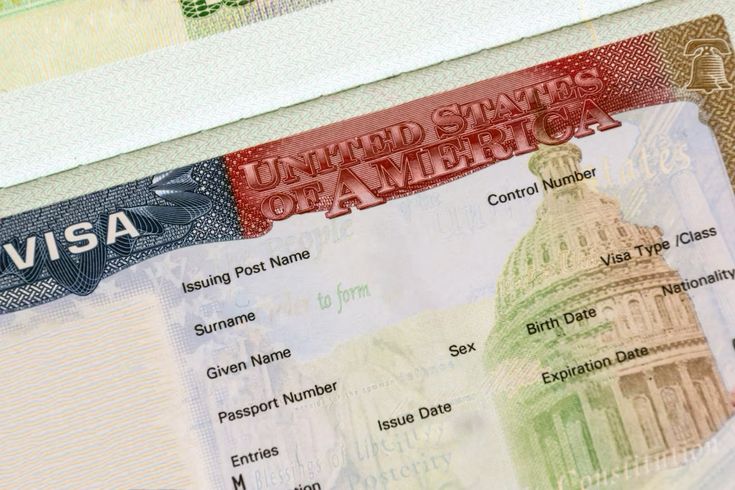
The US visa bond Malawi initiative was introduced in August 2025 as a one-year pilot programme. It applies to B-1 (business) and B-2 (tourist) visas, requiring applicants to pay refundable bonds of $5,000, $10,000, or $15,000.
Officially, the programme is meant to discourage visa overstays. Yet critics highlight that Malawi’s overstay rates are lower than those of other countries that face no such restrictions. For them, the US visa bond Malawi is not about security but about creating barriers for one of the poorest nations in the world.
Students Struggling to Leave
Generations of Malawians have relied on international scholarships such as Fulbright or EducationUSA to pursue higher education abroad. Now, the US visa bond Malawi policy has left many stranded, unable to take up life-changing offers.
Without access to American universities, Malawi risks losing the chance to educate future doctors, engineers, and scientists. The US visa bond Malawi effectively blocks the path to international education and risks triggering a reverse brain drain that could stifle national progress.
Businesses Feeling the Pressure
It’s not just students. Entrepreneurs, too, are feeling the consequences of the US visa bond Malawi. One business owner in Lilongwe, who relies on American suppliers for electronic goods, explained that he can no longer travel to negotiate directly. Instead, he must depend on middlemen, which raises costs and threatens the survival of his business.
This shows how the US visa bond Malawi does not only impact education but also weakens commerce, slows trade, and risks destroying jobs.

Civil Society Pushback
Civil society organisations in Malawi have strongly opposed the US visa bond Malawi measure. Activists describe it as an “exclusion order” rather than a fair bond. Charles Kajoloweka, director of Youth and Society, compared the requirement to asking a farmer earning $500 annually to suddenly produce decades of income.
These groups are documenting cases and lobbying international partners, calling for the US visa bond Malawi to be reversed before it causes deeper social and economic harm.
Diplomatic Fallout
Government leaders have also spoken out. Malawi’s foreign minister, Nancy Tembo, denounced the US visa bond Malawi policy as a “de facto ban” that undermines decades of cooperation in education, healthcare, and development. The rule threatens to sour diplomatic relations, potentially spilling into other areas of bilateral partnership.
Human Cost of the Bond
At its core, the US visa bond Malawi debate is not only about money. It is about opportunities denied, futures cut short, and dignity lost. Students are watching their scholarships vanish, families are losing hope, and business owners are seeing livelihoods collapse.
For people like Chunda, the US visa bond Malawi represents more than just a policy—it is a wall standing between them and a brighter future. Unless it is overturned, many Malawians will remain locked in cycles of poverty and exclusion, with their dreams permanently deferred.
Source: Al Jazeera