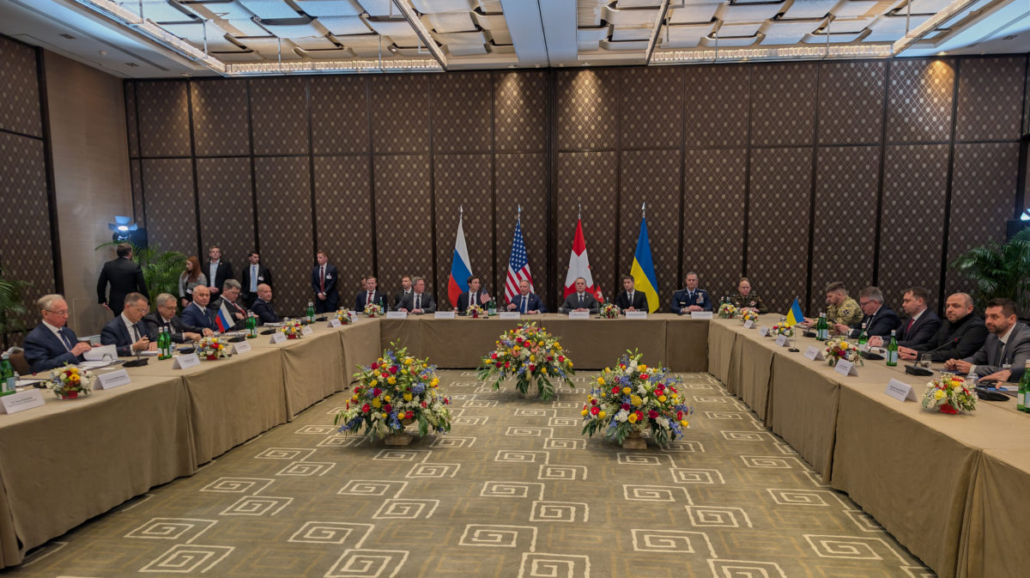
USIranGenevaTalks have entered a decisive phase as American and Iranian officials meet in Geneva for a third round of indirect negotiations. The discussions are widely viewed as crucial to preventing a potential military confrontation between the two long-standing adversaries.
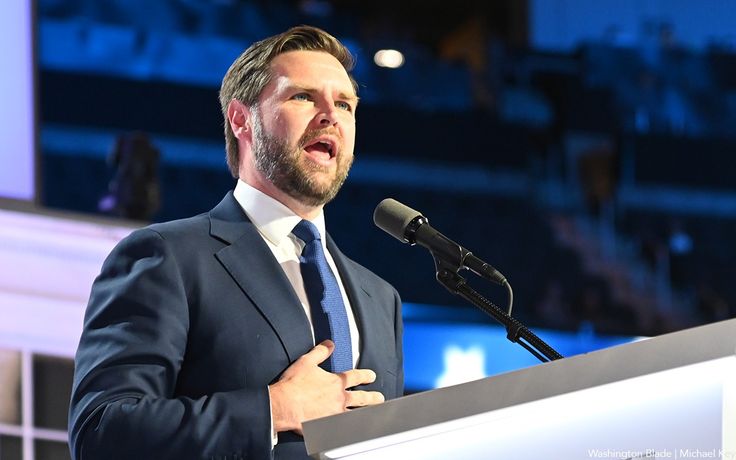
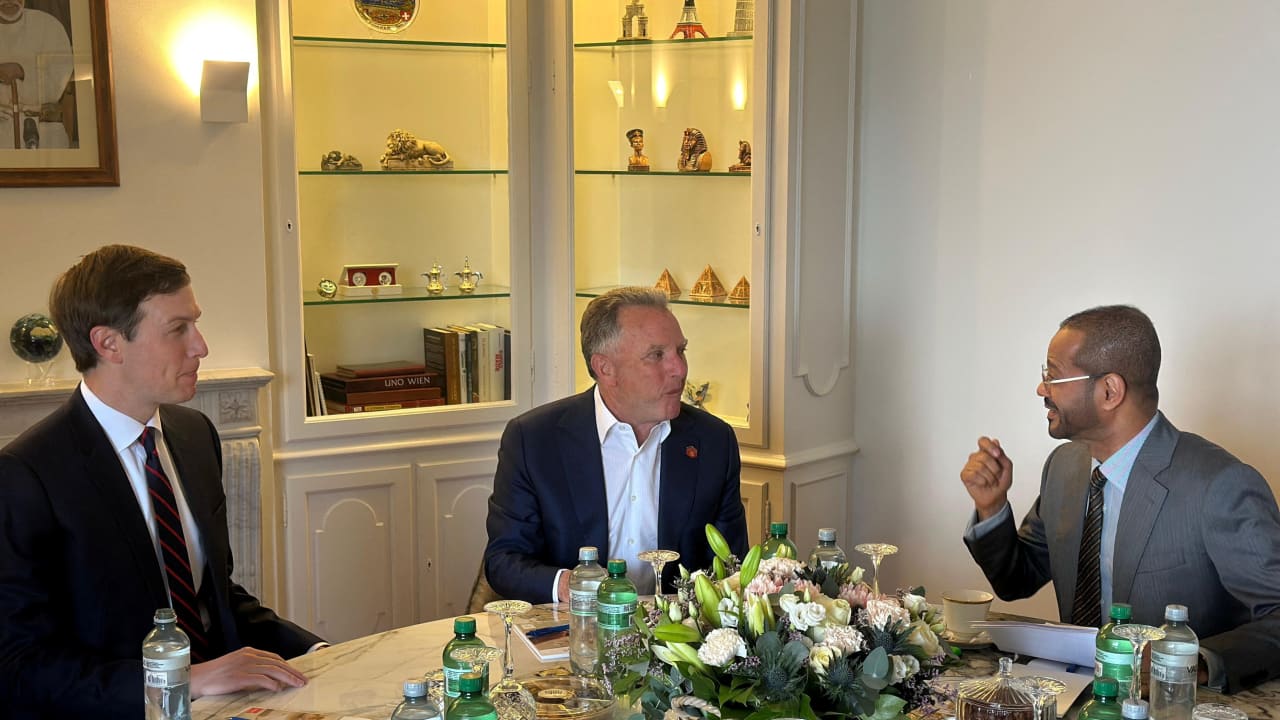
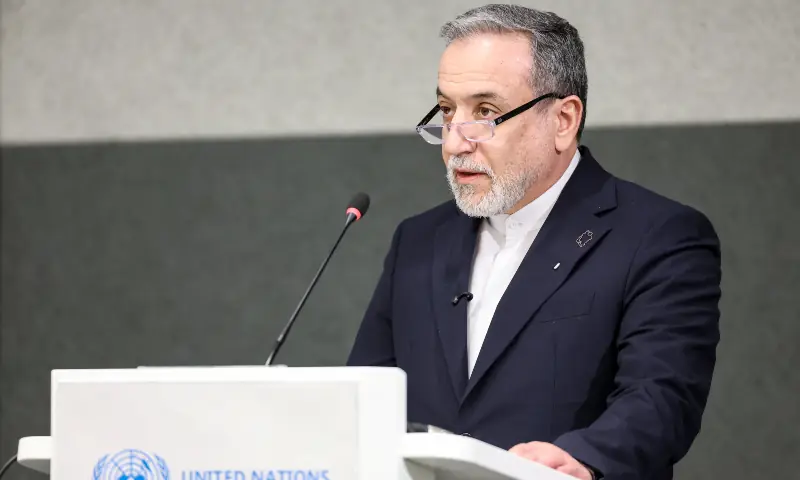
The United States delegation is led by special envoy Steve Witkoff alongside Jared Kushner, while Iran’s team is headed by Foreign Minister Abbas Araghchi. The talks are being mediated by Badr Albusaidi, Oman’s foreign minister, who described the latest round as showing “unprecedented openness to new and creative ideas”.
At the center of the crisis is Iran’s nuclear programme and Washington’s threat of military strikes if a deal is not reached.
Why These Talks Matter Now
USIranGenevaTalks are taking place amid the largest American military build-up in the Middle East since the 2003 Iraq invasion. According to US officials, thousands of additional troops, two aircraft carriers, and multiple fighter jet squadrons have been deployed to the region.
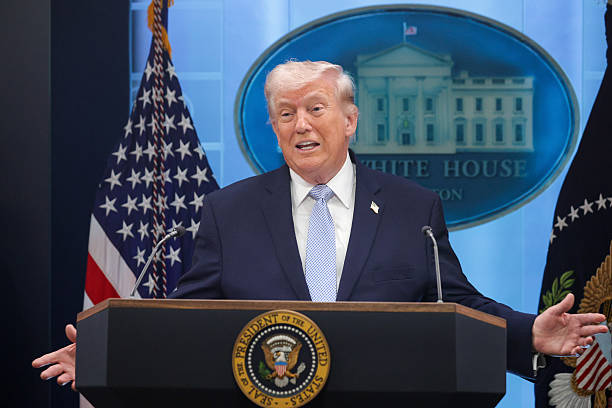
US President Donald Trump has publicly stated that while he prefers diplomacy, he is prepared to authorize limited strikes if Iran refuses to accept an agreement.
The urgency of these negotiations stems from:
- Escalating military deployments
- Iran’s enrichment of uranium at near weapons-grade levels
- Heightened tensions involving Israel and regional proxy groups
- Domestic political pressure in both Washington and Tehran
Diplomats view this round as a possible turning point.
Trump’s Military Pressure Strategy
Trump’s approach during USIranGenevaTalks combines diplomacy with overt military pressure. In recent remarks, he reiterated that Iran must commit explicitly to never developing nuclear weapons.
The US previously bombed three Iranian nuclear facilities eight months ago during heightened regional conflict. While Trump declared those sites “obliterated,” international inspectors have yet to fully access the damaged facilities.
Reports suggest the administration has considered:
- Targeted strikes against Iran’s Revolutionary Guard
- Direct attacks on nuclear facilities
- Broader campaigns if negotiations collapse
However, senior US military advisers have reportedly cautioned that military action could trigger prolonged conflict.
Trump argues that visible military force strengthens Washington’s negotiating leverage, but critics warn it may escalate rather than deter tensions.
Iran’s Nuclear Position and Concessions
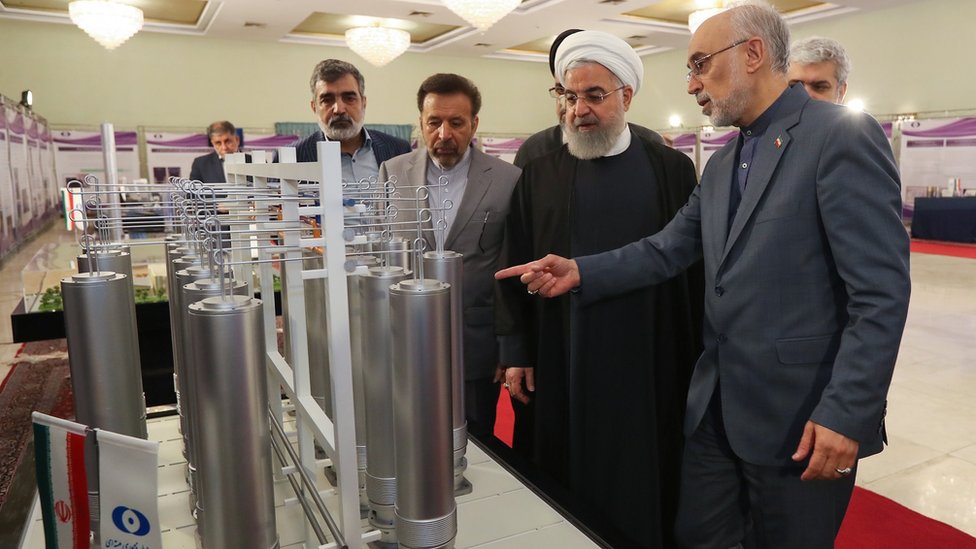
Iran maintains that its nuclear programme is for peaceful energy purposes. However, it remains the only non-nuclear-armed country enriching uranium at near weapons-grade levels.
Foreign Minister Abbas Araghchi recently stated that Iran would “under no circumstances ever develop a nuclear weapon,” signaling possible diplomatic flexibility.
Key issues under discussion during USIranGenevaTalks reportedly include:
- Management of Iran’s 400kg stockpile of highly enriched uranium
- Possible creation of a regional uranium enrichment consortium
- Increased monitoring mechanisms
- Gradual sanctions relief
Iran has firmly rejected demands to halt enrichment entirely within its territory and has also refused to negotiate limits on its ballistic missile programme.
In exchange for nuclear constraints, Tehran seeks significant sanctions relief to stabilize its struggling economy.
Role of Oman and Indirect Diplomacy
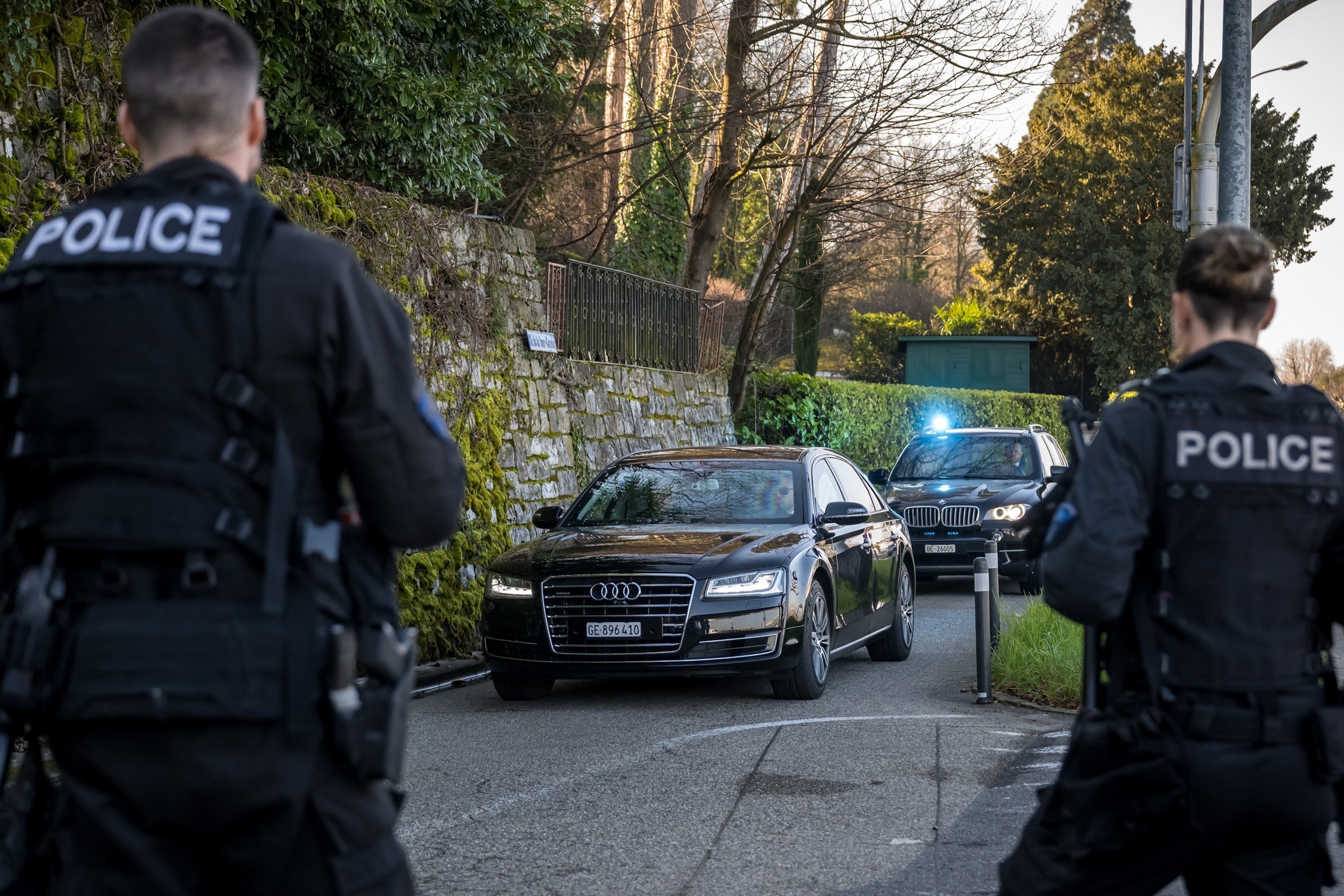
The negotiations are not direct face-to-face talks between the US and Iran. Instead, Oman serves as mediator, shuttling proposals between delegations.
Oman has historically maintained balanced relations with both Washington and Tehran, making it a trusted intermediary. The talks are taking place at the Omani ambassador’s residence in Geneva, emphasizing the discreet and indirect nature of discussions.
Albusaidi’s statement about “creative solutions” suggests that negotiators may be exploring unconventional compromise frameworks beyond traditional nuclear deal templates.
Israel’s Concerns and Regional Reactions
Israeli Prime Minister Benjamin Netanyahu has expressed deep skepticism about any agreement that does not address Iran’s ballistic missile programme and its support for regional proxy groups, often referred to by Tehran as the “Axis of Resistance.”
Israel considers Iran its primary strategic threat and has repeatedly warned against what it views as weak or incomplete nuclear agreements.
Meanwhile, Gulf states and other US allies fear that a direct military confrontation could destabilize the entire region. Energy markets, shipping routes, and security frameworks across the Middle East could face severe disruption if conflict erupts.
What Happens If Talks Fail?
If USIranGenevaTalks collapse, several scenarios could unfold:
1. Limited US Strikes
Washington could conduct targeted strikes to pressure Tehran back to negotiations.
2. Iranian Retaliation
Iran has warned it would respond forcefully, potentially targeting US bases in the Middle East or Israeli assets.
3. Regional Escalation
Proxy groups in Lebanon, Iraq, Gaza, or Yemen could become involved, expanding the conflict zone.
4. Political Fallout
Failure could weaken diplomatic credibility for both Trump and Iran’s leadership.
Conversely, a breakthrough agreement could temporarily stabilize the region and reduce the immediate risk of war.
USIranGenevaTalks represent one of the most consequential diplomatic efforts of 2026. With military forces mobilized and political rhetoric intensifying, the Geneva negotiations are widely seen as a final opportunity to prevent open conflict.
The coming days will determine whether diplomacy prevails or whether escalating tensions push the region toward another major confrontation.
For now, cautious optimism surrounds the talks — but uncertainty remains high.
This article is based on reporting from BBC News, official statements from US and Iranian officials, and diplomatic briefings regarding the Geneva negotiations.