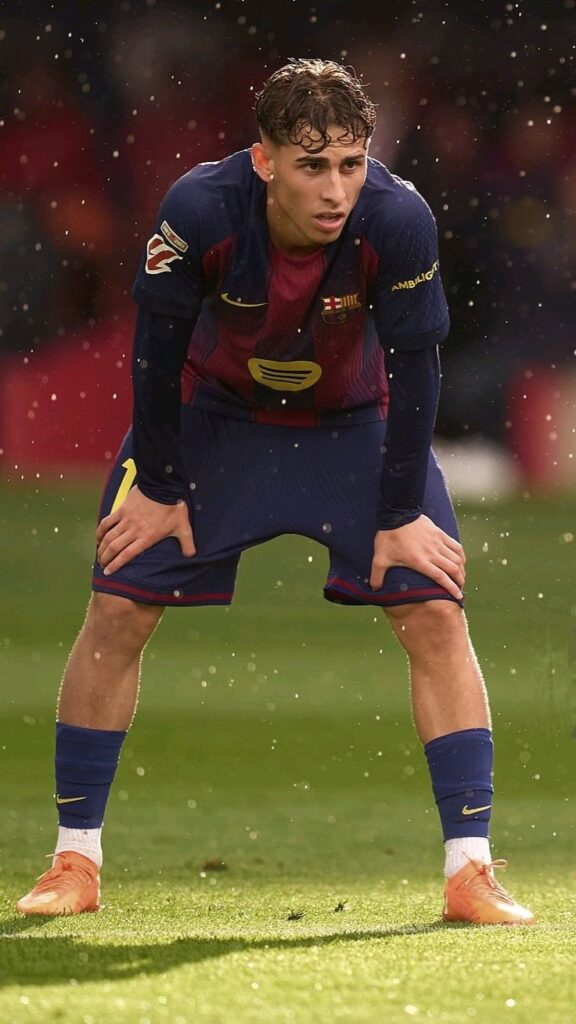
The Barca Girona fallout has quickly become one of the most discussed stories in Spanish football today. Following a frustrating LaLiga defeat to Girona FC, FC Barcelona find themselves battling not only dropped points but also growing scrutiny over refereeing decisions, tactical execution, and internal governance dynamics.
The loss has amplified tensions at a critical stage of the season, where every result carries weight in the title race and Champions League qualification picture. Beyond the scoreboard, the aftermath has ignited heated debates among fans, pundits, and club insiders about accountability and direction.
Refereeing Decisions Take Center Stage
A significant part of the Barca Girona fallout revolves around contentious refereeing moments that Barcelona players and supporters believe shaped the outcome. Multiple penalty appeals, disputed fouls in midfield, and decisions during key attacking transitions have dominated post-match discussion.
Barcelona’s coaching staff reportedly questioned certain VAR interpretations, particularly surrounding handball and offside calls that could have altered momentum. While LaLiga referees operate under strict protocols, controversial moments in high-stakes matches often trigger amplified reactions.
Critics argue that top clubs must rise above officiating debates and focus on performance. However, supporters maintain that consistency in decision-making remains crucial in a tightly contested league campaign. In Spanish football, where margins are razor-thin, even a single call can dramatically influence a match’s narrative.
Tactical Concerns Resurface
Beyond refereeing issues, the Barca Girona fallout has exposed tactical vulnerabilities. Girona’s pressing structure disrupted Barcelona’s build-up play, forcing turnovers in dangerous areas. The Catalan giants struggled to maintain fluid passing sequences and lacked penetration in the final third.
Barcelona’s midfield, traditionally the team’s control center, appeared overrun during key phases. Girona’s compact defensive shape limited space between the lines, neutralizing Barcelona’s creative outlets. The inability to adapt quickly raised questions about in-game tactical flexibility.
Defensive organization also drew scrutiny. Girona capitalized on transitional moments, exploiting gaps left during forward surges. This vulnerability highlights ongoing concerns about balance between attack and defensive stability.
For a club historically defined by possession dominance and structural discipline, such breakdowns feel particularly concerning.
Squad Depth and Rotation Debates
The defeat has intensified discussions around squad management. With domestic and European fixtures piling up, rotation decisions have come under the spotlight. Some analysts argue that fatigue may have contributed to the team’s lack of sharpness, particularly in high-intensity phases.
Barcelona’s bench options have been a recurring topic throughout the season. While the starting XI boasts quality, the depth required to sustain consistency across competitions remains debated. Injuries and fixture congestion test even elite squads, and Girona’s victory underscores the need for adaptability.
Questions also surround whether younger players are being integrated effectively or if tactical conservatism is limiting creative potential.
Governance and Leadership Scrutiny
The Barca Girona fallout extends beyond the pitch into boardroom discussions. Internal governance matters have resurfaced in public discourse, with critics examining recruitment strategy, financial management, and long-term planning.
Barcelona has undergone significant institutional transformation in recent years, navigating financial restructuring and squad rebuilding. Losses like this amplify underlying tensions because they intersect sporting results with administrative narratives.
Supporters demanding accountability often connect on-field struggles with broader strategic decisions. While a single defeat does not define a season, it can magnify concerns about project direction and leadership cohesion.
Girona’s Rising Reputation
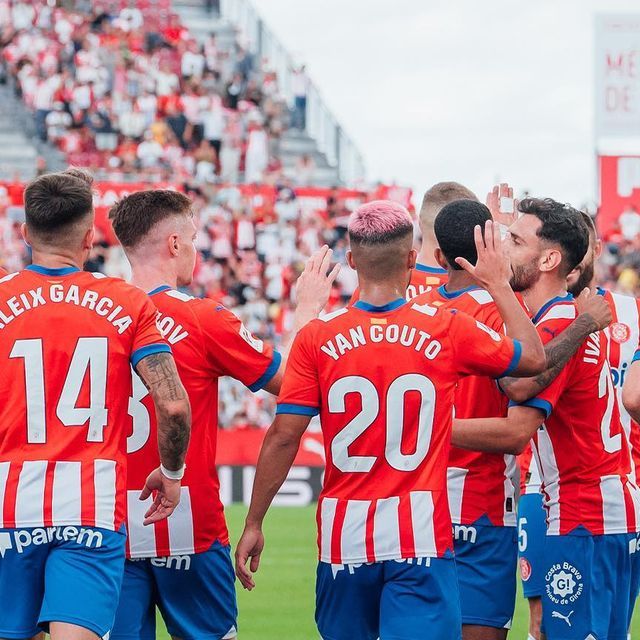
It is also important to credit Girona’s performance. The club has steadily built a competitive identity in LaLiga, demonstrating tactical discipline and fearless execution against bigger opponents. Their ability to press high, maintain defensive organization, and convert chances reflects a growing confidence.
Girona’s rise highlights the evolving competitive landscape in Spanish football. Traditional powerhouses can no longer assume dominance without precision and intensity. Matches against well-drilled sides demand peak performance levels.
Barcelona’s loss, therefore, is not merely a collapse but also a testament to Girona’s strategic evolution.
Title Race Implications
The Barca Girona fallout carries implications for the LaLiga standings. Dropped points in February can ripple through the remainder of the campaign, especially with rivals maintaining pressure.
Momentum plays a psychological role in title races. Consecutive positive results build confidence, while unexpected defeats invite doubt. Barcelona must quickly recalibrate to prevent this setback from affecting upcoming fixtures.
Analysts suggest that response performance will define whether this loss becomes a minor hiccup or a pivotal turning point.
Fan Reaction and Media Narrative
Social media reactions have been intense. Supporters expressed frustration over officiating, lineup decisions, and defensive lapses. Meanwhile, pundits across Spanish sports networks dissected every tactical adjustment and substitution choice.
Modern football narratives move rapidly, and one result can dominate headlines for days. The Barca Girona fallout illustrates how elite clubs operate under relentless scrutiny, where even small tactical miscalculations can spiral into broader debates.
What Comes Next for Barcelona
Recovery now becomes the priority. Barcelona must refocus on training-ground adjustments, mental resilience, and strategic clarity. Addressing defensive transitions, improving midfield composure under pressure, and restoring attacking sharpness will be central objectives.
Leadership within the dressing room will also be tested. Experienced players are expected to stabilize morale and redirect focus toward upcoming fixtures.
The club’s ability to compartmentalize refereeing frustration while refining performance metrics could determine its trajectory for the remainder of the season.
A Moment of Reflection
The Barca Girona fallout is about more than one match. It encapsulates the complexity of modern football, where tactical nuance, officiating debates, governance scrutiny, and psychological momentum intersect.
For Barcelona, this episode represents both a warning and an opportunity. The warning lies in complacency against evolving competitors. The opportunity lies in recalibration — using criticism as fuel for refinement.
Whether this defeat becomes a catalyst for renewed dominance or a signal of deeper structural challenges will unfold in the coming weeks. For now, the spotlight remains firmly on Camp Nou, as fans await a response worthy of the club’s historic standards.
For continued updates on LaLiga developments, explore our Football Analysis and Spanish League Coverage sections. Match details and post-game reactions are widely reported by Spanish sports outlets and official club communications.