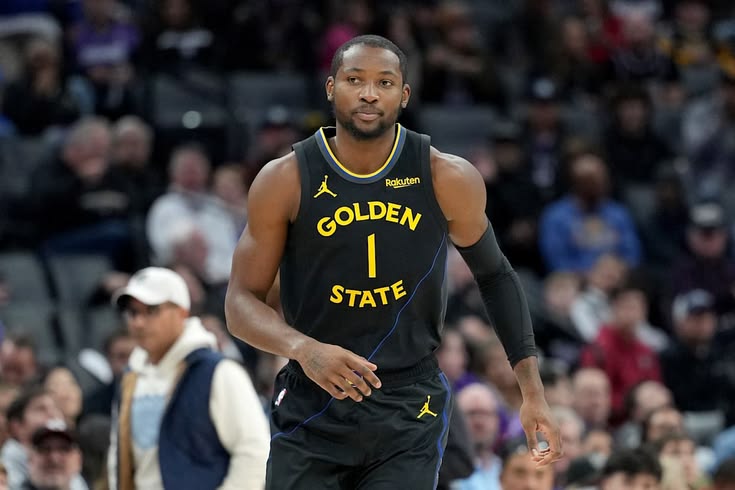
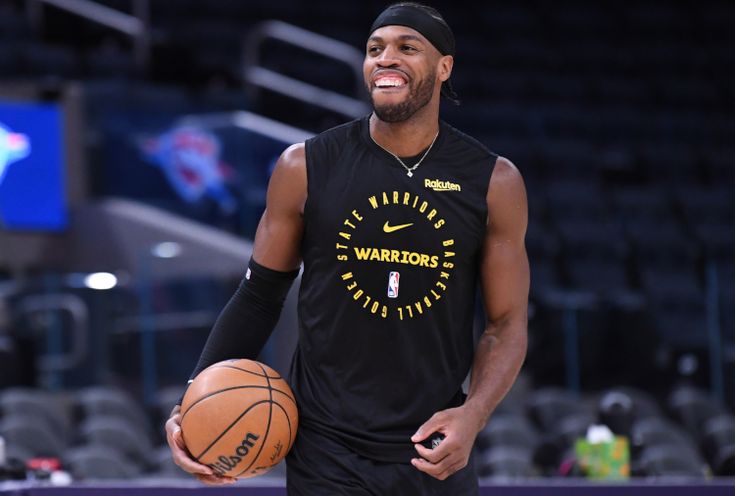
The NBA trade shakeup dominating headlines today centers on a surprising and high-impact deal between the Golden State Warriors and the Atlanta Hawks. With the 2026 NBA trade deadline looming, the Warriors have agreed to send Jonathan Kuminga and Buddy Hield to Atlanta in exchange for veteran center Kristaps Porzingis, according to league sources.
This move signals a decisive shift in Golden State’s championship strategy. Rather than continuing to invest primarily in youth and perimeter scoring, the Warriors are clearly prioritizing size, interior presence, and playoff-tested experience as they push for another deep postseason run.
For Atlanta, the deal represents a calculated bet on versatility, shooting, and long-term upside, while moving on from a high-salary big man whose timeline no longer perfectly aligned with the franchise’s direction.
Why the Warriors Targeted Kristaps Porzingis
At the heart of this NBA trade shakeup is Golden State’s pursuit of a true stretch center who can anchor both ends of the floor. Kristaps Porzingis brings a rare skill set that fits seamlessly into Steve Kerr’s offensive system.
Standing at 7-foot-3, Porzingis offers elite rim protection, floor spacing with his three-point shooting, and the ability to punish mismatches in the post. For a Warriors team that has often struggled against bigger lineups in recent playoff campaigns, his arrival addresses one of their most persistent weaknesses.
Beyond the stats, Porzingis adds playoff experience and composure. His presence reduces pressure on Draymond Green to play extended minutes at center and allows Golden State to diversify its offensive sets without sacrificing defensive stability.
What Golden State Gave Up in the Deal
No NBA trade shakeup comes without sacrifice, and the Warriors parted with two valuable pieces.
Jonathan Kuminga, once seen as a cornerstone of the franchise’s future, brought athleticism, defensive versatility, and transition scoring. While his development showed promise, inconsistency and fit within Golden State’s motion-heavy offense made him expendable in a win-now scenario.
Buddy Hield, one of the league’s most reliable perimeter shooters, provided spacing and instant offense off the bench. However, defensive limitations and streaky performances in high-pressure moments reduced his long-term value for a team chasing championships.
By moving both players, the Warriors are clearly prioritizing immediate impact over developmental patience.
Atlanta Hawks Embrace a New Direction
For the Hawks, this NBA trade shakeup reflects a strategic recalibration rather than a setback. Acquiring Kuminga gives Atlanta a young, explosive forward with significant upside, while Hield instantly upgrades their perimeter shooting.
Kuminga’s ability to guard multiple positions and attack the rim fits well alongside Atlanta’s core, offering lineup flexibility and future trade value. Meanwhile, Hield’s shooting opens the floor for Atlanta’s ball handlers and could dramatically improve their offensive efficiency.
Moving on from Porzingis also frees up financial flexibility and allows the Hawks to reshape their roster around speed, spacing, and youth.
Tactical Impact on the Warriors’ Playing Style
This NBA trade shakeup will inevitably change how Golden State plays on both ends of the court.
Offensively, Porzingis enables more pick-and-pop actions, pulling opposing centers away from the rim and creating driving lanes for Stephen Curry and Klay Thompson. His shooting range forces defenses to make uncomfortable choices, often resulting in defensive breakdowns.
Defensively, Golden State gains a legitimate rim protector, something they’ve lacked in recent seasons. Porzingis’ shot-blocking presence allows perimeter defenders to play more aggressively, knowing there’s help behind them.
The overall effect is a more balanced Warriors team capable of adapting to different playoff matchups.
League-Wide Reactions to the NBA Trade Shakeup
Across the NBA, executives and analysts are viewing this NBA trade shakeup as one of the most consequential moves of the season. Western Conference contenders now must account for Golden State’s improved size and versatility, while Eastern teams are closely watching how Atlanta integrates its new pieces.
Rival teams may respond with last-minute trades of their own, potentially triggering a cascade of moves before the deadline officially closes. The ripple effect of this deal could shape playoff seeding and postseason matchups across both conferences.
Financial and Contract Implications
From a salary perspective, the NBA trade shakeup also carries long-term consequences. Porzingis’ contract represents a significant financial commitment, signaling ownership’s willingness to spend deep into the luxury tax for championship contention.
For Atlanta, offloading Porzingis’ salary creates breathing room under the cap and offers flexibility for future extensions or acquisitions. This financial reset aligns with a broader organizational focus on sustainability rather than short-term risk.
What This Means for the 2026 Playoff Picture
The timing of this NBA trade shakeup is crucial. With the playoffs approaching, Golden State now has a window to integrate Porzingis into their system and refine rotations.
If chemistry develops quickly, the Warriors instantly become one of the most dangerous teams in the West. Their blend of shooting, experience, and now interior dominance presents matchup problems for virtually every contender.
Atlanta, while likely shifting expectations this season, positions itself well for growth and potential offseason maneuvering.
This developing NBA trade shakeup has been widely discussed across major sports media platforms and league insiders, with analysis appearing alongside broader NBA coverage on FFRNEWS sports section, where trade deadline developments and roster moves continue to be tracked in real time. Industry reactions and historical comparisons are also being explored through ongoing NBA reporting from trusted basketball analysts and league sources.