

The PAK vs NZ Super 8 weather update is a critical talking point as Pakistan and New Zealand prepare to clash in their first Super 8 match of the ICC Men’s T20 World Cup 2026 in Colombo, Sri Lanka. While both teams are keen to start their Super 8 campaigns with a victory, weather conditions dominated by rain threats and high humidity could play a decisive role in how this clash unfolds — potentially affecting the match result, qualification scenarios, and momentum for the group stage.
Colombo Weather Forecast: Heavy Clouds and Rain Risk
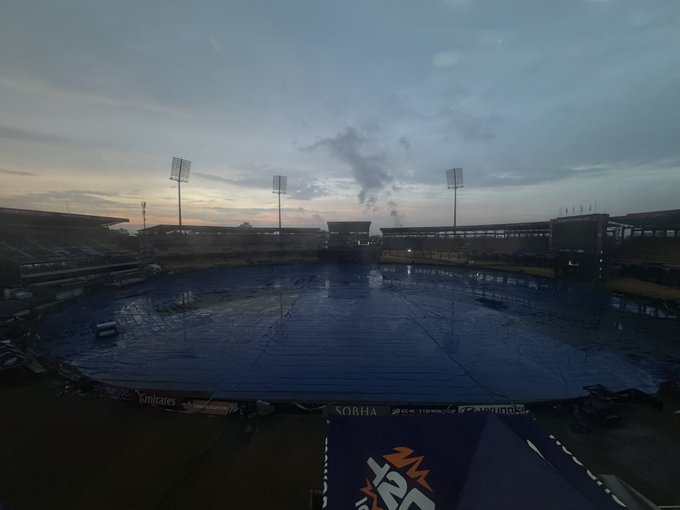
Weather models and forecasts indicate overcast skies and considerable rain chances on match day (21 February 2026), particularly in the early evening when play is scheduled to begin at 7:00 p.m. local time (1:30 p.m. GMT) at the R. Premadasa Stadium in Colombo. Meteorological data shows that rain could occur in the afternoon and evening, with precipitation probabilities staying high through the match window.
According to weather services, Colombo is experiencing a 70%+ chance of showers around match time, with humidity levels near 80–85% due to lingering tropical moisture over the island. This combination creates a sticky, rain-prone atmosphere that threatens interruptions or delays during play.
Cricket teams have already felt the weather’s impact: Pakistan’s final outdoor practice session was cancelled due to persistent rain, underscoring just how unsettled conditions have been leading up to the match.
What Happens If Rain Interrupts Play?
Under ICC Super 8 stage rules, there is no reserve day allocated for this fixture. If rain prevents a minimum of five overs for each team, the match cannot be officially completed, and both Pakistan and New Zealand will be awarded one point each. This scenario becomes especially important given how tight the race for semi-final qualification is in Group 2, which also includes England and Sri Lanka.
If rain merely interrupts play but sufficient overs are bowled, the Duckworth-Lewis-Stern (DLS) method will be applied to adjust the target. This has become a familiar scenario in rain-affected T20 cricket and adds a tactical layer as captains must consider weather impact when deciding whether to bat or bowl first at the toss.
Early showers or a late finish could significantly reduce overs, forcing teams to adapt their batting orders and bowling strategies with different objectives than in a full 20-over contest.
Forecast Breakdown: Rain and Conditions Explained
- As of match day morning, Colombo’s skies are cloudy with intermittent showers and humid conditions pushing the rain index higher.
- Afternoon and early evening rainfall is expected to continue, with precipitation likely during peak match hours.
- Despite rain, temperatures are forecast at approximately 27–28°C (80–82°F), meaning play is comfortably warm but wet, with moisture contributing to slippery outfields and heavier dew later on.
- The potential for thunderstorms later in the evening also exists, introducing greater uncertainty, especially if lightning or heavy downpours emerge.
Impact on Match Strategy
Toss decisions may be influenced heavily by weather patterns:
- If rain seems imminent early, captains could look to bowl first and push for a shorter DLS target, betting on stopping rain later or a truncated contest.
- In contrast, a decision to bat first could put pressure on bowlers if rain cuts into the second innings or leads to tricky under-lights conditions.
Such strategic considerations make the toss one of the most critical elements before play begins, especially in rain-affected T20 matches.
Who Will Benefit if Weather Interrupts Play?
If Rain Washes Out the Match
A washout tends to favor the underdog in short tournaments because both sides earn a point without performance decisive action. That means neither Pakistan nor New Zealand gains full advantage from winning. But for Pakistan, which has historically struggled with consistent batting performances in distant conditions, sharing points early could ease pressure slightly. New Zealand, meanwhile, typically excels in full-length T20 contests — so the Kiwi side might view a washout as a mixed outcome, likely depending on their net run rate relative to others in the group.
If DLS Comes Into Play
In a shortened match scenario, teams with explosive openers and strong power hitters may benefit more because fewer overs reward quick runs rather than long innings. Pakistan’s batting order has match-winners who can accelerate from the start, while New Zealand’s top order has enjoyed success pacing innings in previous World Cups. Neither side holds a clear advantage in reduced-overs dynamics, making tactical calls and momentum crucial.
Broader Group Implications
Group 2 of the Super 8 stage is tightly contested, and every point matters. England and Sri Lanka are also in the mix — meaning a heavy rain impact that denies a result could reshape how teams approach their remaining matches. Both Pakistan and New Zealand must balance the weather risk against the need for a win to maintain their semi-final aspirations.
Predictions and Expert Insights
Pre-match reports suggest that while rain is highly likely, the match is not guaranteed to be completely washed out; sporadic showers could mean interruptions but still enough overs to constitute a valid match under ICC rules. That makes real-time weather monitoring, ground staff readiness, and quick match-day assessment vital to any match outcome.
In cricketing terms, attention will focus on how quickly teams can adjust to interruptions. Both Pakistan and New Zealand have shown resilience in fluctuating weather conditions in past tournaments, although the tropical climate of Sri Lanka introduces more unpredictability than subcontinental venues where rain tends to follow more predictable patterns.
This report is part of FFRNews Sports coverage, combining multiple live weather forecasts and cricket weather analysis to provide a comprehensive view of match conditions. Information here draws from meteorological services and cricket weather reports focused on the PAK vs NZ Super 8 clash in Colombo.