
Team USA Olympics conversations are dominating global headlines and social media as the 2026 Winter Games in Milan and Cortina d’Ampezzo gather momentum. From outspoken athletes addressing national identity to historic medal pursuits and breakthrough Olympic debuts, Team USA’s presence is shaping not just competition, but culture, politics, and public debate.
Names like Hunter Hess, Amber Glenn, and Hilary Knight have surged to the top of trending discussions, each representing a different facet of modern Olympic sport. Together, their stories reflect how the Olympics have evolved into a stage where performance, personality, and principle intersect.
Team USA Enters a Defining Olympic Moment
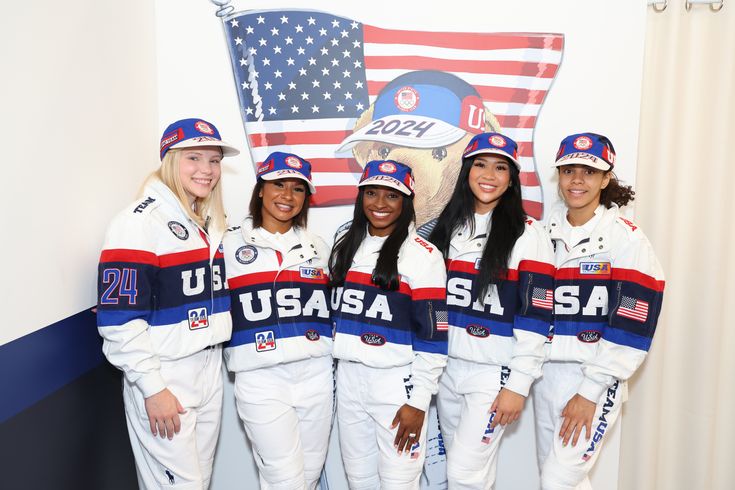
The United States has sent one of its largest delegations to the 2026 Winter Olympics, with athletes competing across skiing, figure skating, ice hockey, snowboarding, and more. Expectations are high, not only for medal counts, but for leadership and influence in a rapidly changing sports landscape.
Unlike previous Games, Milano Cortina 2026 has unfolded amid intense global conversations around politics, social responsibility, mental health, and athlete expression. Team USA athletes are no longer viewed solely as competitors; they are public figures whose voices resonate far beyond the ice and snow.
Hunter Hess and the Debate Over Representation
Freestyle skier Hunter Hess unexpectedly became one of the most talked-about Team USA athletes this week—not because of a medal run, but due to comments about what it means to represent the United States on the Olympic stage.
Hess said that wearing the national uniform brings “mixed emotions,” emphasizing that representing the country does not necessarily mean endorsing all domestic policies or actions taking place at home. His remarks quickly went viral, sparking sharp debate online.
Supporters praised Hess for honesty and courage, arguing that patriotism and criticism are not mutually exclusive. Critics, however, accused him of politicizing the Olympics and questioned whether athletes should publicly express such views during international competition.
The moment highlighted a growing tension within Team USA Olympics narratives: athletes are increasingly expected to balance national representation with personal values. Hess’s comments placed him at the center of a cultural crossroads that continues to define modern Olympic sport.
Amber Glenn’s Long Road to Her First Olympics
While controversy surrounded Hess, figure skater Amber Glenn captured attention for an entirely different reason—achievement earned through resilience.
After years of setbacks, injuries, and intense competition within U.S. figure skating, Glenn finally secured her place on the Olympic team. Entering Milano Cortina 2026, she is making her first-ever Olympic appearance, a milestone many believed might never come.
Glenn’s journey has been marked by openness about mental health challenges and the pressure of elite competition. Her honesty has resonated deeply with fans, especially younger athletes who see her as proof that perseverance can coexist with vulnerability.
As part of Team USA Olympics coverage, Glenn’s story stands out as a reminder that Olympic success is not always linear. Her presence at the Games represents not just athletic skill, but endurance through years of uncertainty.
Hilary Knight’s Historic Olympic Quest
Few athletes embody Team USA Olympics legacy like Hilary Knight. The captain of the U.S. women’s hockey team is competing in her fifth Olympic Games, a feat unmatched by any American hockey player—male or female.
Knight enters Milano Cortina 2026 with one goal in mind: another gold medal. Already a multiple-time Olympic medalist and world champion, she is widely expected to retire after these Games, making this campaign her final Olympic chapter.
Beyond statistics, Knight’s impact lies in leadership. She has played a central role in elevating women’s hockey globally, advocating for equal pay, visibility, and professional opportunities for female athletes.
Her rivalry with Canada remains one of the most compelling storylines of the Winter Olympics, and her presence alone has intensified anticipation for the women’s hockey tournament. For Team USA, Knight represents experience, authority, and unfinished business.
Team USA and the Changing Olympic Identity
The combined spotlight on Hess, Glenn, and Knight illustrates how Team USA Olympics narratives have expanded beyond podium finishes. These athletes reflect three defining themes of the 2026 Games:
- Athlete voice and social awareness
- Mental health and long-term perseverance
- Historic legacy and leadership
In past eras, athletes were often expected to remain silent off the field. Today, they are active participants in public discourse, shaping how nations are perceived and how sports intersect with society.
Team USA’s visibility means its athletes often become symbols—sometimes unwilling ones—of broader national conversations. Milano Cortina 2026 has reinforced that reality, placing American athletes at the center of global attention.
Social Media Amplifies Olympic Moments
Much of the current momentum around Team USA Olympics stories has been driven by social media platforms, particularly X (formerly Twitter). Hashtags featuring Hunter Hess, Amber Glenn, Hilary Knight, and Team USA trended simultaneously, drawing millions of impressions within hours.
Clips, quotes, and interviews now travel faster than competition results, and public opinion often forms before official statements are issued. This environment has amplified both praise and backlash, turning athletes into real-time newsmakers.
For better or worse, Team USA athletes now compete in two arenas: the Olympic venue and the digital public square.
Medal Expectations Remain High
Despite cultural debates and personal narratives, expectations for Team USA’s medal performance remain strong. The United States traditionally ranks among the top Winter Olympic nations, particularly in figure skating, ice hockey, freestyle skiing, and snowboarding.
Amber Glenn is seen as a potential podium contender depending on execution and judging, while Hilary Knight’s team is considered a favorite for gold. Even athletes like Hunter Hess, whose comments sparked controversy, remain medal threats in their respective disciplines.
Performance, ultimately, will shape the final legacy of these Games—but the stories unfolding now have already left a mark.
What These Stories Mean for the Future of the Olympics
The 2026 Winter Games may be remembered as a turning point where the Olympics fully embraced athlete individuality. Team USA Olympics coverage has shown that success is no longer measured solely in medals, but in impact, honesty, and representation.
Athletes like Hess challenge traditional ideas of patriotism. Glenn redefines perseverance. Knight embodies legacy and leadership. Together, they reflect a new Olympic era—one where excellence and expression move side by side.
This article is part of FFRNEWS Sports & Culture coverage, examining major global sporting developments and their wider social impact. Reporting draws from coverage and analysis by NBC Olympics, BBC News, Yahoo Sports, and official Olympic communications, alongside verified athlete statements and public interviews.