
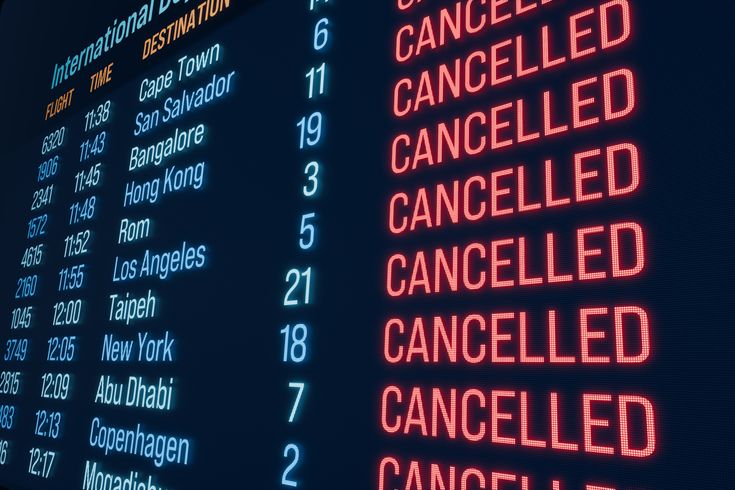
U.S. flight cancellations surged across key travel hubs as more than 307 flights were canceled and over 5,513 delays were reported nationwide, disrupting travel plans for thousands of passengers. The widespread operational strain has impacted major carriers and airports, underscoring ongoing challenges within the U.S. aviation network.
Airlines affected include SkyWest Airlines, Southwest Airlines, United Airlines, Alaska Airlines, and JetBlue Airways, among others.
Major Airports Facing Disruptions
Travel disruptions have hit several high-traffic airports across the country, including:
- Denver International Airport
- Los Angeles International Airport
- Orlando International Airport
- Buffalo Niagara International Airport
- Aspen/Pitkin County Airport
Passengers at these hubs reported long wait times, gate changes, and missed connections as airlines worked to manage cascading scheduling issues.
What’s Causing the Delays?
While airlines have not attributed the disruption to a single cause, industry observers point to a combination of factors that frequently strain U.S. aviation operations:
- Weather-related impacts in regional corridors
- Crew scheduling and staffing constraints
- Aircraft repositioning delays
- High seasonal passenger volumes
Operational bottlenecks at major hubs can quickly ripple across the national network, leading to widespread flight cancellations and multi-hour delays.
Passenger Impact and Airline Response
Travelers affected by U.S. flight cancellations faced rebooking challenges and extended layovers. Airlines have advised passengers to check flight statuses regularly and consider flexible rebooking options where available.
Most major carriers are offering:
- Waived change fees in affected regions
- Alternative routing options
- Travel credits for significantly delayed flights
However, travelers are encouraged to review each airline’s individual compensation and rebooking policies.

Broader Pressure on the U.S. Travel Network
The spike in U.S. flight cancellations highlights ongoing operational pressures within the aviation sector. Despite record travel demand and strong post-pandemic recovery, airlines continue to navigate infrastructure limitations and staffing dynamics.
Aviation analysts note that high-capacity hubs are particularly vulnerable to disruptions, especially when multiple operational challenges overlap.
Outlook for Travelers
Although cancellations and delays fluctuate daily, industry experts advise travelers to:
- Arrive early at airports
- Monitor airline notifications
- Consider travel insurance for peak travel periods
- Plan for flexible itineraries when possible
As demand for domestic and international travel remains strong, operational resilience will remain a key focus for U.S. airlines in the months ahead.
This report is part of FFRNEWS Travel coverage, tracking major transportation disruptions and aviation developments. Flight data is based on publicly available airline and airport reporting.