
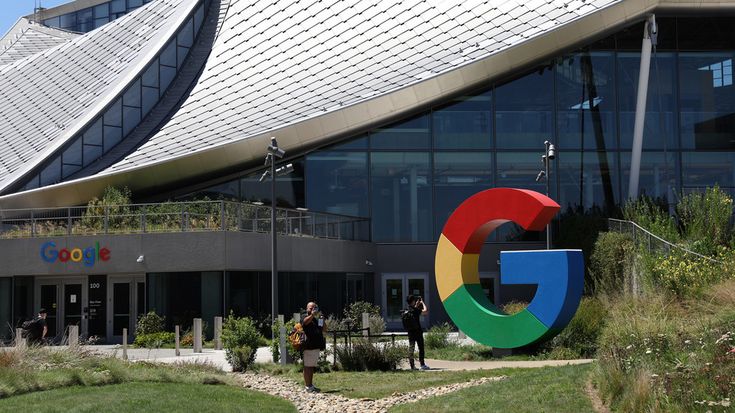
Google urges Supreme Court to halt app store injunction after losing a major antitrust battle against Fortnite developer Epic Games. The tech giant is seeking to block a lower court order that could fundamentally alter how millions of Android users and developers interact with apps on Google Play. The move is the latest chapter in a years-long legal battle over whether Google has abused its dominance in the mobile app market.
Background: How the Epic Games lawsuit began
Epic Games, the company behind the global hit Fortnite, first sued Google in 2020, alleging that the company monopolized the Android app distribution market. According to Epic, Google’s Play Store practices stifled competition, limited consumer choice, and forced developers into restrictive agreements that funneled billions of dollars into Google’s pockets.
Epic argued that:
- Google required Android users to rely primarily on the Play Store for downloading apps.
- Developers were pressured to use Google’s in-app billing system, which takes up to a 30% commission.
- Competitors were prevented from distributing their own app stores or alternative billing systems within Google’s ecosystem.
In 2023, after a high-profile jury trial in San Francisco, Epic won its case. The jury concluded that Google had indeed violated U.S. antitrust laws by unlawfully restricting competition in the Android app market.
Judge Donato’s injunction against Google
Following the jury’s decision, U.S. District Judge James Donato issued a sweeping injunction against Google in 2024. The order required Google to make several major changes:
- Allow rival app stores inside Google Play.
This would give users the ability to download competing stores directly, without side-loading workarounds. - Share its app catalogue with competitors.
Google must make its massive Play Store catalogue available to rival platforms. - Enable external payment links in apps.
Developers could include links directing users to alternative billing systems outside of Google’s infrastructure, bypassing its commission fees.
These requirements were seen as a major victory not only for Epic but also for developers worldwide who have long complained about Google’s fees and restrictions.
Google’s appeal to the Supreme Court
In its Supreme Court filing submitted late Wednesday, Google described the injunction as “unprecedented” and warned it would have “enormous consequences” if allowed to take effect. The company argued that:
- More than 100 million U.S. Android users could face confusion and security risks.
- Over 500,000 developers might be disrupted by sudden changes to app distribution rules.
- Google’s reputation and competitive position would suffer if it were forced to implement the changes before the appeals process is complete.
Google has asked the Supreme Court to decide by October 17, 2025, whether to put the injunction on hold. It also plans to file its full appeal by October 27, meaning the justices could hear the case in their upcoming nine-month term starting October 6.
Epic’s stance and broader implications
Epic Games has hailed the rulings so far as a landmark victory for competition and consumer choice. Its CEO, Tim Sweeney, praised the 9th U.S. Circuit Court of Appeals earlier this month after it upheld Judge Donato’s injunction. He said the outcome would “benefit developers and consumers who have been locked into unfair practices for too long.”
For Epic, the case is not just about Fortnite or game-related revenue. It is about breaking down what it sees as monopolistic control of digital marketplaces — a fight the company is also pursuing against Apple in parallel litigation.
How courts have viewed Google’s practices
The 9th Circuit panel, which reviewed the case earlier this year, found the record to be “replete with evidence” that Google’s conduct entrenched its dominance. The court agreed that forcing developers into restrictive agreements violated antitrust laws.
When Google requested a rehearing by the full 9th Circuit, the court declined. This left the Supreme Court as the company’s last legal resort to delay or overturn the injunction.

Market reaction
The news of Google’s latest filing rattled financial markets. Alphabet’s stock dropped 0.75 percent on Wednesday morning in New York following the announcement. While the decline may seem modest, it reflects investor uncertainty about the long-term consequences of stricter regulations on Google’s Play Store revenue — a major income source for the company’s Android ecosystem.
Google has previously defended its 30% commission on app sales and in-app purchases, arguing that it funds security, distribution, and developer tools. However, critics say the fees are excessive and anti-competitive.
The bigger picture: Tech, antitrust, and the future of app stores
The case is one of the most significant antitrust challenges faced by Google in recent years, with potential ripple effects across the entire technology industry. If the injunction stands, it could:
- Force Google to open up its Play Store, ending years of dominance.
- Encourage other regulators around the world to impose stricter oversight.
- Provide momentum to ongoing lawsuits against tech giants accused of abusing their market power, including in search, advertising, and AI services.
For consumers, the changes could mean cheaper apps, more payment options, and a wider choice of marketplaces. For developers, it could mean reduced dependency on Google’s ecosystem. But Google insists that security risks could increase, as rival app stores may not have the same protections against malware or fraud.
What happens next?
The Supreme Court now faces a critical decision: whether to pause Judge Donato’s injunction while Google appeals, or let it take effect immediately.
If the court sides with Google, the Play Store will continue to operate as usual during the appeals process. If not, Android users in the U.S. could see sweeping changes to how they download and pay for apps within months.
This case will likely set a precedent for how much control Big Tech can exert over digital ecosystems — and how aggressively courts are willing to intervene in the name of competition.
Final thoughts
Google urging the Supreme Court to halt the app store injunction underscores the high stakes in its battle with Epic Games. The outcome will not only determine the future of the Play Store but could reshape the global digital marketplace. With regulators, developers, and consumers watching closely, the Supreme Court’s decision may mark a turning point in the balance of power between tech giants and the people who use their platforms.
Source: Al Jazeera