
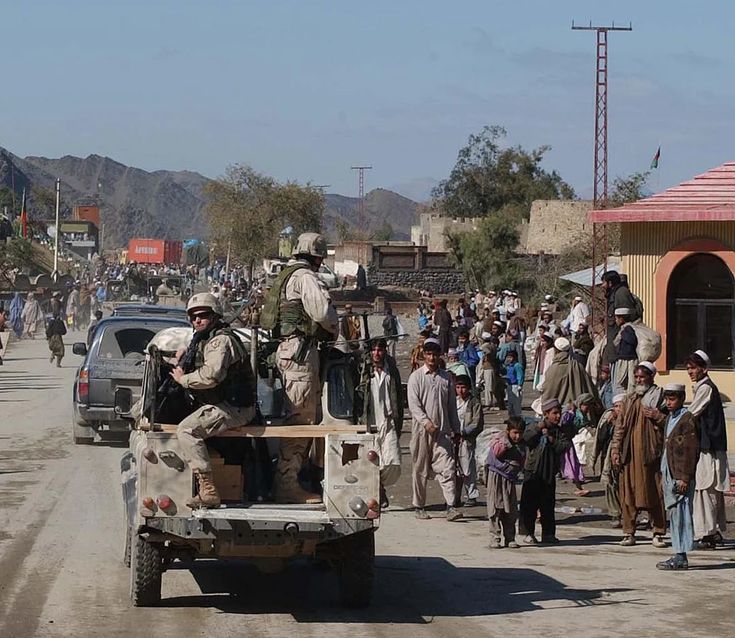
Pakistan and Afghanistan stand on the edge of their most dangerous confrontation in decades. Fierce clashes between the Pakistani military and Afghan Taliban forces over the weekend left scores of soldiers dead on both sides, marking the bloodiest escalation since the Taliban’s return to power in Kabul in 2021.
What began as cross-border skirmishes has now spiraled into a crisis threatening to destabilize the entire region. Analysts warn that the Pakistan Afghan Taliban conflict could ignite into a prolonged war unless both nations take immediate steps toward de-escalation.
The Bloodiest Clashes in Years
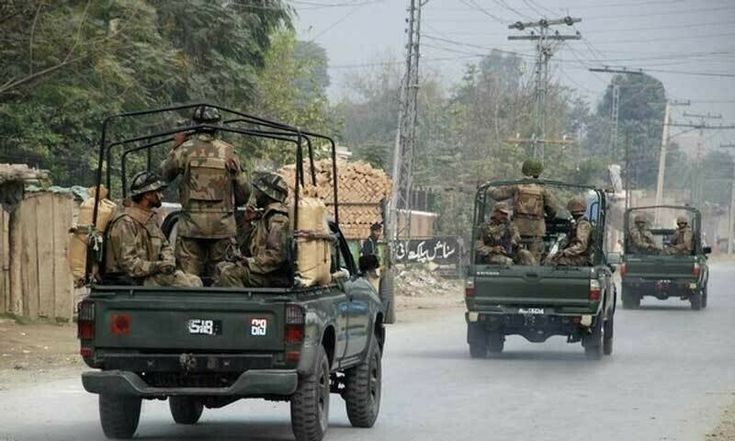
According to official and Taliban sources, fighting erupted along the heavily guarded border late Saturday, with both sides using heavy weaponry and claiming to have inflicted severe losses on the other.
The Taliban claimed it killed 58 Pakistani soldiers in overnight operations and seized 25 border posts. Pakistan’s army, however, reported far lower casualties on its side — 23 troops killed — and asserted that it eliminated more than 200 Afghan fighters in retaliatory strikes.
Neither claim could be independently verified. Access to the region remains restricted, and journalists have been barred from approaching key conflict zones.
Still, the scale of violence marks a significant escalation, raising fears that the situation may no longer be contained to local border skirmishes.
Why Are Pakistan and the Afghan Taliban Fighting?
The roots of the Pakistan Afghan Taliban conflict trace back to a deepening mistrust between two former allies. For decades, Islamabad provided logistical and political support to the Afghan Taliban, seeing them as a strategic counterbalance to Indian influence in the region.
But after the Taliban seized Kabul in 2021, Islamabad’s expectations quickly soured. Pakistan began pressing the Taliban government to rein in the Tehreek-e-Taliban Pakistan (TTP) — a militant group ideologically aligned with the Afghan Taliban but waging war against the Pakistani state.
The TTP, seeking to enforce a hard-line version of Islamic law in Pakistan’s Khyber Pakhtunkhwa province, has intensified its attacks in recent years. According to Pakistan’s military, the group operates from safe havens across the Afghan border — a claim Kabul denies.
A United Nations report earlier this year concluded that the TTP “receives substantial logistical and operational support from the de facto authorities in Kabul,” further straining relations between the two neighbors.
Between January and mid-September, more than 500 people, including 311 soldiers and 73 policemen, were killed in militant attacks in Pakistan. The government in Islamabad blames the TTP and its cross-border network for the bloodshed.
Diplomatic Tensions and Regional Accusations
The animosity has been further complicated by regional politics. Pakistani officials have repeatedly accused India of secretly supporting the TTP to destabilize Pakistan — a claim New Delhi categorically denies. India, in turn, accuses Pakistan of funding insurgent movements in Indian-administered Kashmir.
These mutual accusations have created a volatile geopolitical mix in which mistrust and suspicion dominate.
Against this backdrop, Islamabad’s recent airstrikes reportedly targeting Kabul and parts of eastern Afghanistan further inflamed tensions. While Pakistan has neither confirmed nor denied conducting the bombings, Afghan Taliban officials claimed the attacks killed civilians and vowed retaliation.
In what appeared to be a response, Taliban fighters launched coordinated assaults on multiple Pakistani border posts over the weekend. The result was the deadliest confrontation between the two forces since 2021.
Fragile Trade and Humanitarian Fallout
The fighting has also crippled cross-border trade. Pakistan temporarily closed all major border crossings, including the key Torkham and Chaman points, halting commercial activity between the two landlocked nations.
Trucks loaded with goods now sit stranded on both sides of the frontier, costing traders millions of rupees in losses each day. For thousands of Afghans who rely on Pakistan for essential supplies, the closure has already begun to create shortages.
This trade freeze comes at a particularly sensitive time, as Afghanistan continues to face economic collapse and humanitarian crises under Taliban rule. Any prolonged border shutdown could deepen the suffering of civilians who depend on cross-border movement for survival.
Analysts Warn of a Dangerous Escalation
Regional analysts believe the Pakistan Afghan Taliban conflict represents a tipping point. Michael Kugelman, a South Asia expert based in Washington, told Deutsche Welle that Islamabad’s frustration over Afghanistan-based terrorism has reached its peak.
“Pakistan has tried negotiations, limited military operations, and even backchannel diplomacy with the Taliban, but none of these strategies worked,” Kugelman said. “Islamabad’s intensified counterterrorism strikes inside Afghanistan have now triggered a Taliban response, pushing both sides toward escalation.”
Former Afghan ambassador Omar Samad warned that the clashes could spiral into “widespread violence and military action beyond what we are currently witnessing.”
He cautioned that both sides are underestimating the risks of continued confrontation: “The hostility between the Pakistan military and the de facto Afghan government has been growing for two years due to missteps, mismanagement, and mistrust. If this continues, it could cause irreparable damage to bilateral relations.”
The TTP Threat Looms Larger
Experts agree that one of the most serious consequences of the current crisis could be a surge in TTP attacks within Pakistan.
Imtiaz Gul, executive director of the Center for Research and Security Studies in Islamabad, told DW that Pakistan “will now face a growing threat of increased militancy from TTP more than ever after these clashes with Afghanistan.”
He added that the military must urgently strengthen intelligence coordination and counterterrorism operations to prevent militants from exploiting the chaos.
The Afghan Taliban, despite being ideologically aligned with the TTP, are unlikely to engage in a full-scale war with Pakistan. But analysts warn that tacit support or inaction from Kabul could embolden the TTP to intensify attacks across Pakistani territory.
A Fragile Relationship Tested
Despite years of cooperation, the relationship between Islamabad and Kabul is now at its lowest point since the fall of the Western-backed Afghan government in 2021.
Earlier this year, Pakistan had announced plans to upgrade diplomatic relations with the Taliban regime by appointing a full ambassador — even without formal recognition of the government. Those efforts now appear frozen amid rising hostilities.
Pakistan also began a massive repatriation campaign in 2023, forcing hundreds of thousands of Afghan refugees to return home. Over 800,000 have already been deported, fueling further resentment in Kabul and adding another layer of strain to bilateral ties.
Both nations share centuries of cultural and ethnic ties, with millions of Afghans having lived in Pakistan since the Soviet invasion of Afghanistan in 1979. Yet the current hostility threatens to erase decades of shared history.
Is There Still Room for Peace?
Despite the grim outlook, experts believe diplomacy remains the only viable path forward. Samad urged both governments to abandon “belligerent tactics” and engage in direct, constructive dialogue.
“Despite bravado and hubris, both countries have vulnerabilities,” he said. “Afghans have little to lose against overwhelming military odds, but Pakistan is fragile from within. Now is the time for statesmanship, caution, and honest dialogue. There is no time for deception, spin, or bluster.”
For now, the guns have largely fallen silent, but tensions remain dangerously high. Each side accuses the other of aggression, and neither appears ready to make the first move toward reconciliation.
If cooler heads do not prevail soon, the Pakistan Afghan Taliban conflict could mark the beginning of yet another prolonged and destabilizing war in South Asia — one that neither country can afford.
Source: FFR News Analysis | Based on regional intelligence sources