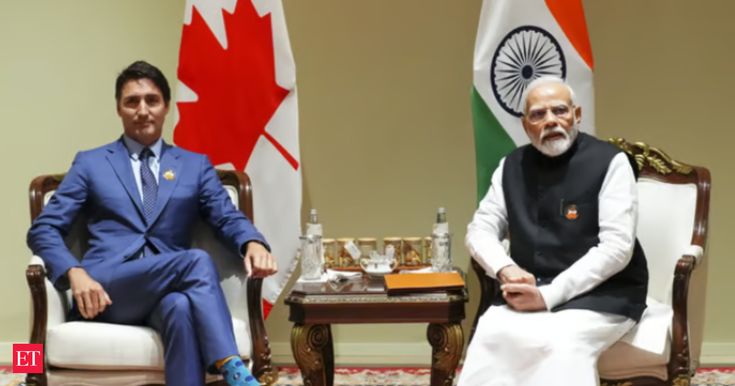
India and Canada have officially taken major steps toward mending a fractured diplomatic relationship that once seemed beyond repair. In what analysts are calling a turning point, Canadian Foreign Minister Anita Anand met with Indian Prime Minister Narendra Modi and Foreign Minister S. Jaishankar in New Delhi, marking the highest-level diplomatic engagement between the two countries since relations collapsed in 2023.
The visit represents a significant India Canada relations reset, signaling both nations’ desire to move beyond past tensions and focus on economic growth, trade, and Indo-Pacific cooperation.
A Relationship Once on the Brink
The India-Canada diplomatic rift began in 2023, when then–Prime Minister Justin Trudeau accused India of involvement in the killing of Hardeep Singh Nijjar, a Sikh separatist leader and Canadian citizen. The allegations, which India vehemently denied, triggered a full-blown diplomatic standoff.
In the months that followed, both countries expelled senior diplomats, suspended visa services, and froze bilateral trade negotiations. The crisis deeply affected the nearly 1.7 million Canadians of Indian origin, creating anxiety and uncertainty across communities with long-standing cultural and economic ties.
For two years, relations remained at a standstill — until Mark Carney replaced Trudeau as Canada’s new prime minister earlier this year. Carney’s leadership brought a more pragmatic tone to Ottawa’s foreign policy, paving the way for a gradual thaw.
Modi and Anand Lead the Thaw
Foreign Minister Anita Anand’s visit to India marked the first official high-level trip since the diplomatic freeze. During her meetings with Prime Minister Modi and Foreign Minister Jaishankar, both sides agreed to a list of measures aimed at rebuilding confidence and cooperation.
Modi emphasized that Anand’s visit would help “impart new momentum” to the India-Canada partnership, while Jaishankar underscored that bilateral ties had been “steadily progressing” over the past few months.
“When we look at Canada, we see a complementary economy, another open society, and shared values of diversity and pluralism,” Jaishankar said. “This forms the basis for a close, sustainable, and long-term cooperative framework.”
Anand, echoing the sentiment, stated that both nations were “collectively committed to advancing this relationship now and in the long term”, particularly in the Indo-Pacific region, where both see overlapping strategic interests.
Trade and Investment Talks Resume
A major highlight of this India Canada relations reset was the decision to restart ministerial-level discussions on bilateral trade and investment.
Both sides agreed to revive the Canada–India CEO Forum, which brings together top business executives to explore opportunities in technology, renewable energy, agriculture, and manufacturing.
According to a joint statement released after the talks:
“Reviving this partnership will not only create opportunities for enhanced economic cooperation but also help mitigate vulnerabilities arising from shifting global alliances.”
Anand will also meet India’s Commerce Minister Piyush Goyal to deepen trade discussions and explore how both economies can counter global disruptions. She is expected to travel to Mumbai, India’s financial hub, to meet business leaders and promote Canadian investments.
Diplomatic Progress and Symbolic Gestures
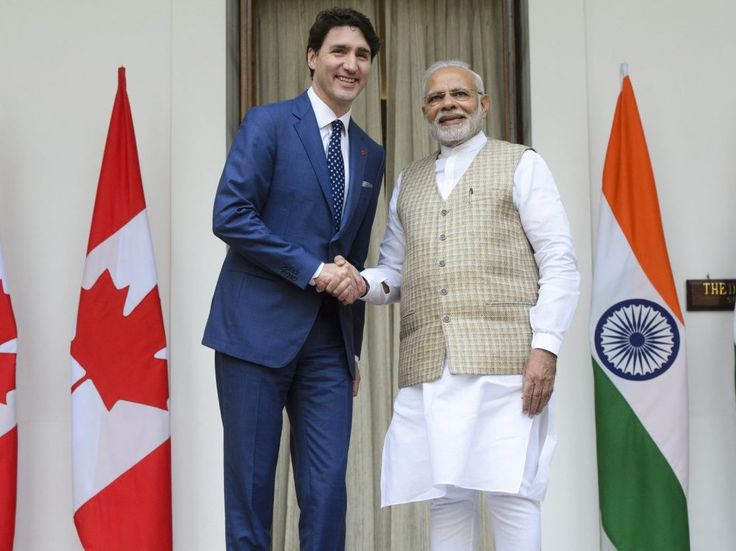
This isn’t the first sign of a thaw in India Canada relations this year. In June, Prime Ministers Mark Carney and Narendra Modi held their first bilateral meeting on the sidelines of the G7 summit in Canada — a symbolic handshake that signaled the willingness to rebuild trust.
Two months later, both countries appointed new high commissioners, restoring the channels of communication that had gone silent for nearly a year.
Anand and Jaishankar also held a brief exchange at the United Nations General Assembly in New York, which laid the groundwork for this week’s more extensive talks in Delhi.
Observers say these engagements demonstrate that both sides are eager to turn a new page, especially given how intertwined their economic and diaspora ties have become.
A Pragmatic Approach by Both Nations
The shift in tone also reflects changing geopolitical realities. Canada, under Carney’s leadership, is eager to implement its Indo-Pacific strategy, which emphasizes stronger ties with democratic partners like India.
For India, repairing relations with Canada offers a chance to diversify its Western partnerships at a time when tensions with China remain high. New Delhi views Ottawa as a valuable economic ally and a potential gateway to greater North American cooperation.
Anand’s diplomatic outreach — which includes upcoming visits to China and Singapore — shows Canada’s intent to play a larger role in the Indo-Pacific’s evolving balance of power. India, meanwhile, is keen on positioning itself as a central player in this regional framework.
Challenges Still Linger
Despite the optimistic tone, the India Canada relations reset faces real tests. The shadow of the Sikh separatist movement still looms large, and neither side has fully resolved the intelligence and security disputes stemming from Nijjar’s assassination.
While both governments avoided mentioning the issue publicly during Anand’s visit, officials privately admit that trust rebuilding will take time.
Furthermore, trade negotiations were previously halted due to disagreements over labor mobility, agricultural tariffs, and intellectual property rights. Experts note that unless these issues are addressed, progress could stall again.
The Economic Stakes Are High
Before the diplomatic fallout, bilateral trade between India and Canada stood at over $10 billion annually. Canadian investments in Indian infrastructure, renewable energy, and education were steadily rising, while Indian IT and pharmaceutical firms expanded across Canada.
Reopening trade channels could benefit both economies, especially as global supply chains continue to shift. India’s vast consumer market and Canada’s resource-rich economy make them natural partners in the post-pandemic recovery phase.
Diaspora Hopes for Normalcy
The Indian diaspora in Canada, one of the largest outside India, has been closely watching these developments. Community leaders in cities like Toronto, Vancouver, and Calgary have expressed relief that diplomacy is finally back on track.
For many Indian-origin Canadians, the past few years have been marked by tension and confusion, as political disputes cast a shadow over cultural and family ties. Anand’s visit, therefore, is being seen as a restoration of people-to-people warmth that had long defined the India-Canada relationship.
Looking Ahead — A New Chapter
Analysts believe that if handled carefully, this renewed engagement could set the stage for a comprehensive economic partnership agreement (CEPA) in the future — a goal both nations have pursued intermittently since 2010.
However, experts warn that success will depend on consistent political will and the ability to separate strategic cooperation from domestic politics.
For now, both countries appear determined to move forward. As Jaishankar put it, “Our shared values and economic complementarities give us every reason to look to the future with optimism.”
The Road Ahead
The meetings between Anita Anand and Indian leaders mark a genuine India Canada relations reset — not just in diplomatic tone, but in substance. After years of mistrust and mutual suspicion, both countries are now choosing dialogue over discord.
By resuming trade talks, reactivating the CEO Forum, and strengthening Indo-Pacific coordination, India and Canada are signaling that pragmatism has finally replaced politics.
Whether this new warmth leads to lasting cooperation will depend on how both sides navigate their remaining differences. For now, the world is witnessing a cautious yet hopeful revival of one of the most consequential partnerships in the democratic world.
Source: BBC News