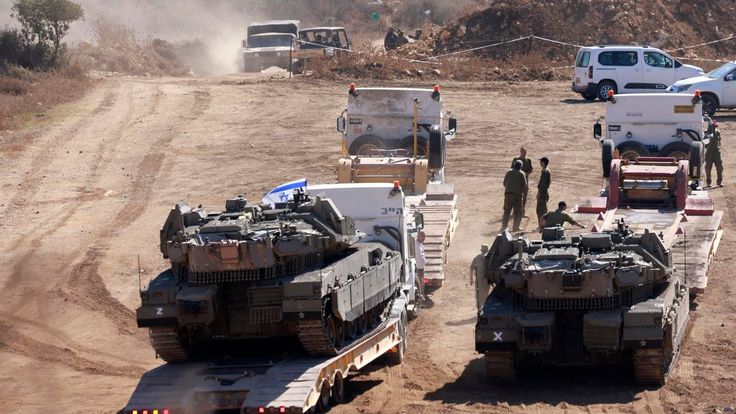
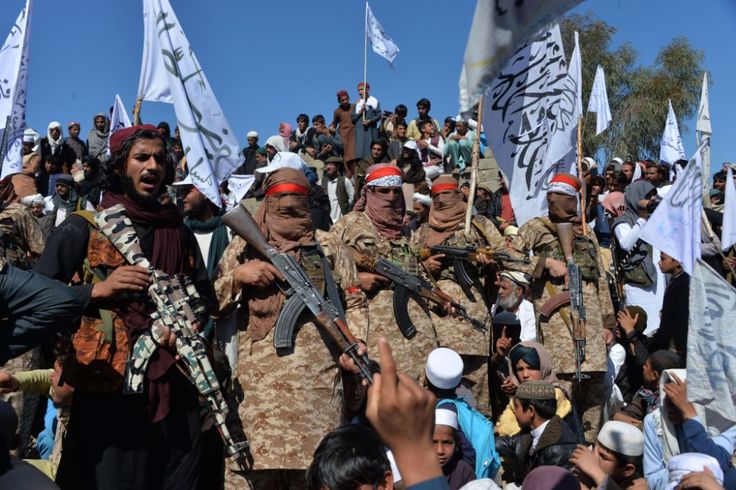
The Afghan Taliban and Pakistan ceasefire marks a rare and fragile moment of calm after one of the most violent weeks between the neighboring nations in recent months. Following days of deadly border clashes, artillery exchanges, and reported airstrikes near Kabul and Kandahar, both countries have agreed to a 48-hour truce, effective from 13:00 GMT on Wednesday.
The truce announcement followed escalating violence that left dozens dead and more than 100 civilians wounded, according to Taliban officials. Afghan authorities accused Pakistan of launching cross-border shelling that struck civilian areas, while Pakistan’s military claimed to have targeted militant positions in retaliation for terrorist attacks allegedly originating from Afghan soil.
Witnesses from the border areas reported that entire villages were caught in the crossfire, forcing hundreds of families to abandon their homes and seek refuge in nearby provinces. Local humanitarian organizations have described the situation as “dire,” with many displaced people lacking access to clean water, shelter, and medical aid. Residents also reported severe damage to infrastructure, including schools, markets, and communication lines, further worsening the crisis. Afghan officials have urged international organizations to provide immediate relief assistance, warning that continued hostilities could create a humanitarian disaster if not contained soon.
Both sides have offered conflicting accounts of who initiated the recent fighting. The Pakistani military stated its forces had “killed 15–20 Afghan Taliban” during operations in the Spin Boldak district, a flashpoint area along the border. In contrast, Taliban officials claimed “numerous Pakistani soldiers” were killed and several posts destroyed. None of these reports could be independently verified.
Videos circulating on social media show explosions, burning vehicles, and armed fighters engaging in night-time combat, though these images remain unconfirmed by independent sources such as the BBC. Witnesses from Spin Boldak described intense clashes lasting over five hours, forcing hundreds of families to flee. Local doctors reported treating dozens of wounded civilians, including women and children, and said that hospitals are overwhelmed due to limited medical supplies.
The Afghan Taliban and Pakistan ceasefire was confirmed by both governments, though each insisted the other requested it. Taliban spokesman Zabihullah Mujahid said Afghan forces would honor the ceasefire “as long as no one commits aggression.” Pakistan’s military echoed a similar message but stressed it would respond if provoked.
International reactions were swift. China and Russia urged both sides to de-escalate and reopen diplomatic channels. US President Donald Trump, who helped broker the recent hostage deal between Israel and Hamas, suggested he might be willing to mediate again “if needed to restore regional stability.”
The United Nations Special Rapporteur on Afghanistan, Richard Bennett, expressed grave concern over reports of civilian casualties and displacement. “I urge all parties to exercise maximum restraint, protect civilians, and adhere to international humanitarian law,” he wrote on X (formerly Twitter).
This new Afghan Taliban and Pakistan ceasefire follows months of strained relations between the two countries. Islamabad has long accused the Taliban of allowing Pakistani militants, particularly members of the Tehrik-i-Taliban Pakistan (TTP), to operate from Afghan territory. The Taliban government has repeatedly denied the allegations, claiming it does not support any group conducting attacks on Pakistan.
The humanitarian impact of the conflict is growing. Aid agencies have reported a rising number of displaced families near the border, with many lacking food, shelter, and medical care. Local officials in Kandahar and Spin Boldak have warned that continued hostilities could worsen the refugee situation.
Despite the truce, security analysts remain skeptical. The ceasefire’s success will depend on both sides’ ability to control their forces and prevent provocations. For now, the Afghan Taliban and Pakistan ceasefire offers a brief respite and a glimmer of hope for peace in a region plagued by decades of conflict.
Source: BBC News