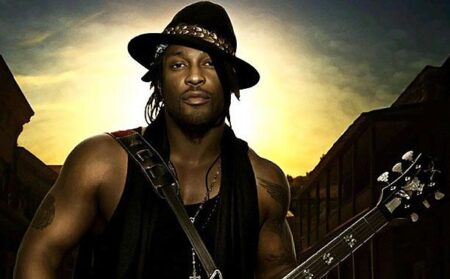
D’Angelo musical pioneer who redefined soul, stands as one of the most influential voices in R&B’s modern history. His impact extends beyond genre — he transformed the way soul music feels, sounds, and connects with emotion. From Brown Sugar to Voodoo, D’Angelo became the voice of authenticity in an era that often prioritized commercial perfection over human imperfection.
His debut album, Brown Sugar (1995), introduced a sound that was warm, raw, and entirely original. Blending R&B, gospel, and hip-hop, D’Angelo helped shape what would soon be known as neo-soul — a genre centered on depth, feeling, and live instrumentation. The album’s standout tracks, including Lady and Brown Sugar, became blueprints for countless artists seeking to blend rhythm with emotion.
Before his emergence, R&B was heavily polished, often stripped of the organic soul that defined the classics. D’Angelo restored that essence, channeling legends like Marvin Gaye and Prince while creating something deeply personal. His work resonated because it felt human — imperfectly perfect.
The Rise of Neo-Soul
The 1990s saw a new musical movement forming, and D’Angelo was at its core. His sound inspired contemporaries like Erykah Badu, Maxwell, and Jill Scott, artists who, together, reintroduced soul into the mainstream. D’Angelo’s manager, Kedar Massenburg, even coined the term “neo-soul” to describe this renaissance.
Yet, D’Angelo refused to be confined by labels. For him, it wasn’t “neo-soul” — it was simply Black music, built on the foundations of love, struggle, and spirituality. That distinction became part of his artistic identity: a refusal to be boxed in.
The Masterpiece: Voodoo
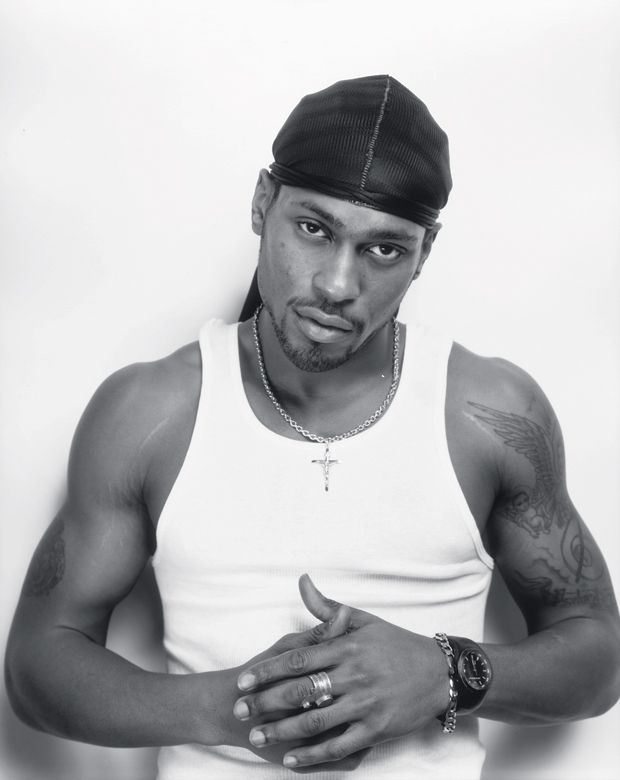
After Brown Sugar, D’Angelo spent five years crafting Voodoo (2000), a record that pushed musical boundaries. Produced alongside Questlove and J Dilla, Voodoo became a landmark in modern R&B — complex, sensual, and deeply experimental. The album topped charts and earned a Grammy for Best R&B Album, while Untitled (How Does It Feel) turned into a cultural moment.
But with success came discomfort. The intimate music video for Untitled transformed D’Angelo into a reluctant sex symbol, overshadowing his artistry. The unwanted spotlight drove him away from fame and into a decade-long battle with personal demons — including addiction, depression, and isolation.
Redemption Through Sound: Black Messiah
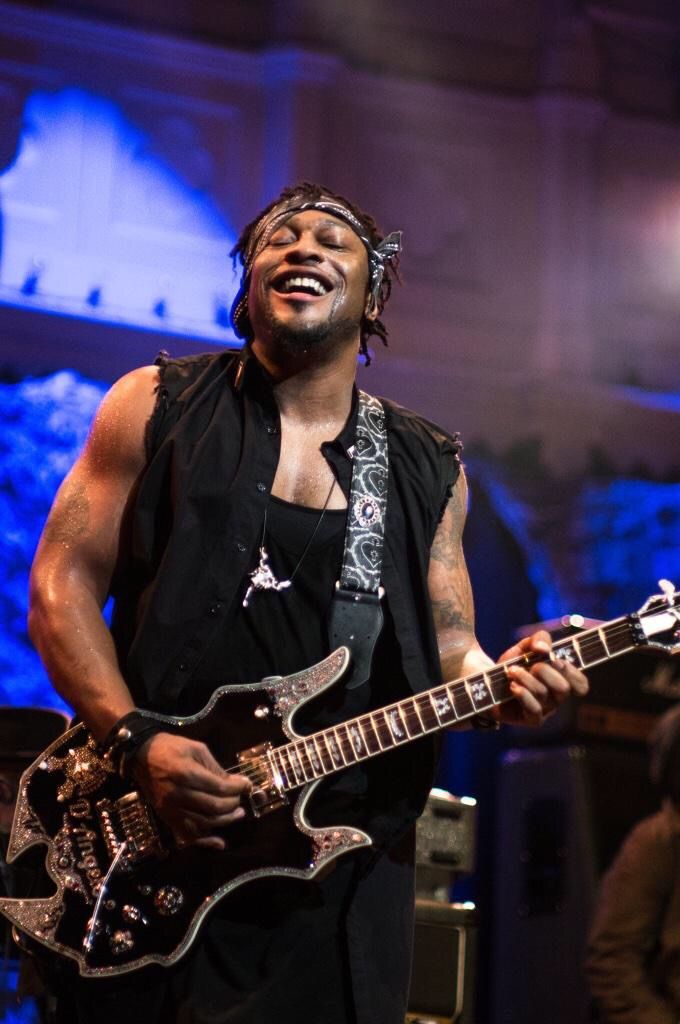
In 2014, D’Angelo returned with Black Messiah, a politically charged, musically rich statement that proved his genius hadn’t faded. The album blended funk, rock, and jazz, offering commentary on racial injustice and spiritual resilience. Released amid the growing Black Lives Matter movement, Black Messiah felt prophetic — raw, real, and revolutionary.
Critics hailed it as one of the most important albums of the decade, not just for its musical brilliance but for its message. D’Angelo once again bridged the gap between art and activism, sound and soul.
Influence and Legacy
Even after decades, D’Angelo’s fingerprints are found across today’s R&B and soul landscape. Artists like H.E.R., Frank Ocean, Anderson .Paak, and Daniel Caesar cite him as an inspiration. His emphasis on live instrumentation, groove, and emotional honesty continues to define what authentic R&B means.
Lauryn Hill once described his impact perfectly: “You imagined a unity of strength and sensitivity in Black manhood to a generation that only saw itself as having to be one or the other.”
End of an Era, Echo of a Legacy
D’Angelo’s journey — from the quiet genius of Brown Sugar to the rebirth of Black Messiah — represents more than music. It’s a story of resilience, truth, and timeless artistry.
He didn’t just redefine soul; he reminded the world that real music lives beyond charts and fame. D’Angelo’s legacy is not only about sound — it’s about spirit. His work continues to echo across generations, ensuring that soul will never lose its heartbeat.
Source: BBC NEWS