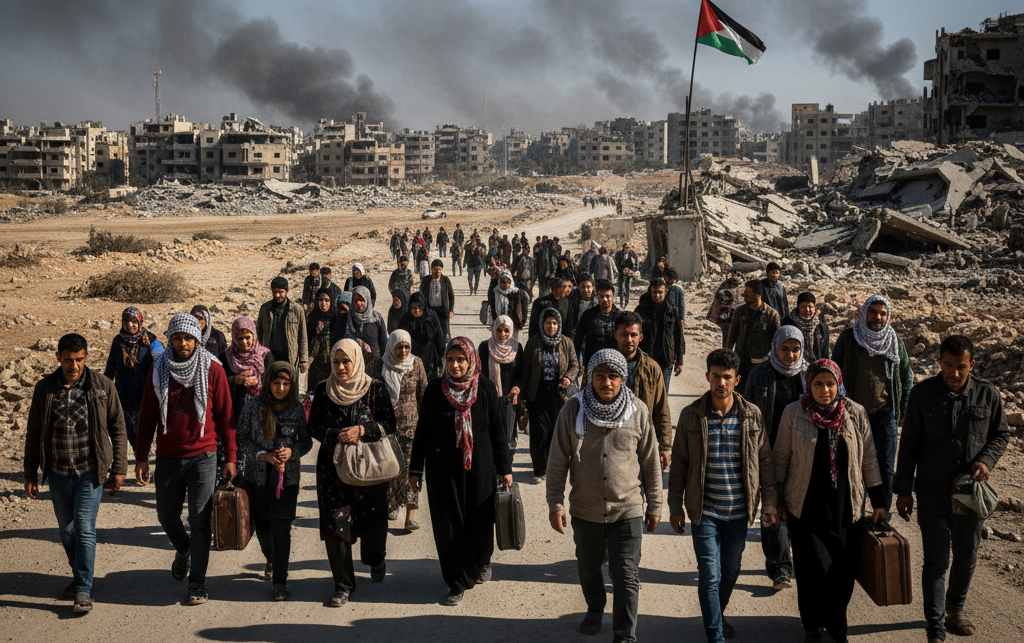
The headline of Israel’s military posture in the region appears contradictory: a truce in Gaza, yet ongoing operations on multiple fronts. As the war in the Gaza Strip entered a ceasefire on 10 October 2025, Israeli forces simultaneously continued to launch attacks beyond Gaza — in the West Bank, Lebanon and Syria — raising serious questions about the scope and sincerity of the ceasefire and reinforcing concerns that what appears as peace may merely be a pause. Al Jazeera+2Al Jazeera+2
The Gaza Ceasefire – Partial Calm, Continued Suffering
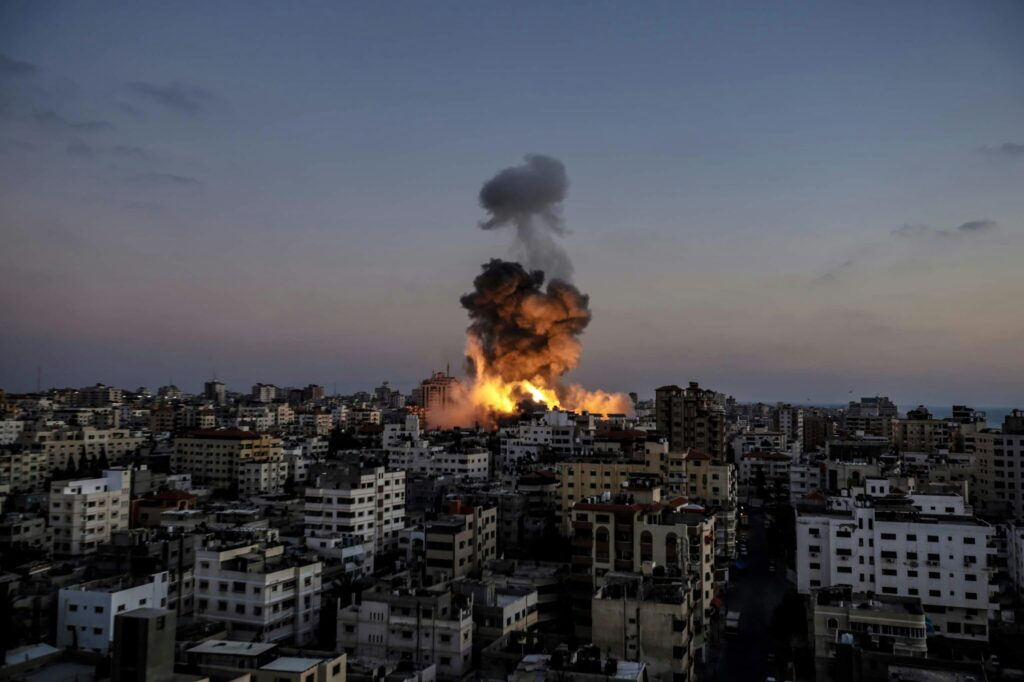
Although a ceasefire deal was reached between Israel and Hamas on 10 October, Israeli strikes in Gaza have not stopped entirely. The pact eased some pressure, but not all — Gaza continues to face casualties, a choking aid blockade, and creeping military advances across the “yellow line” that Israel had ostensibly agreed to respect. Al Jazeera+1
The ceasefire was heralded as a humanitarian reprieve, yet mere weeks later, the territory remains under very heavy strain. The limited shift underscores the notion that the Gaza truce may represent a tactical pause rather than a move toward lasting peace.
West Bank: Intensified Operations Under Cover of Truce
Meanwhile, in the West Bank, Israeli operations have escalated. In recent weeks, settlers and Israeli soldiers have harassed and arrested Palestinians — particularly those harvesting olives — and Israeli officials have openly supported annexation efforts. Al Jazeera
Finance Minister Bezalel Smotrich has urged supporters to pressure U.S. President Donald Trump over formal annexation of the occupied territory, signalling a deeper, architect-driven shift rather than a mere security measure. Al Jazeera
Thus, while attention remains focused on Gaza, the broader occupation continues to shape Israel’s regional posture.
Lebanon: Strip Ceasefire Holds on Paper but Not in Reality
While a ceasefire between Israel and Hezbollah formally took effect in November 2024, Israeli strikes in southern Lebanon and near UN peace-keeping posts have persisted. Two Lebanese civilians were reportedly killed, and UNIFIL tracked Israeli drone and tank incursions. Al Jazeera+1
The ongoing violence in Lebanon—despite a standing truce—may foreshadow how the Gaza ceasefire will play out: formal obligations ignored in favour of unresolved hostilities.
Syria: Silent Front, Open Skirmishes
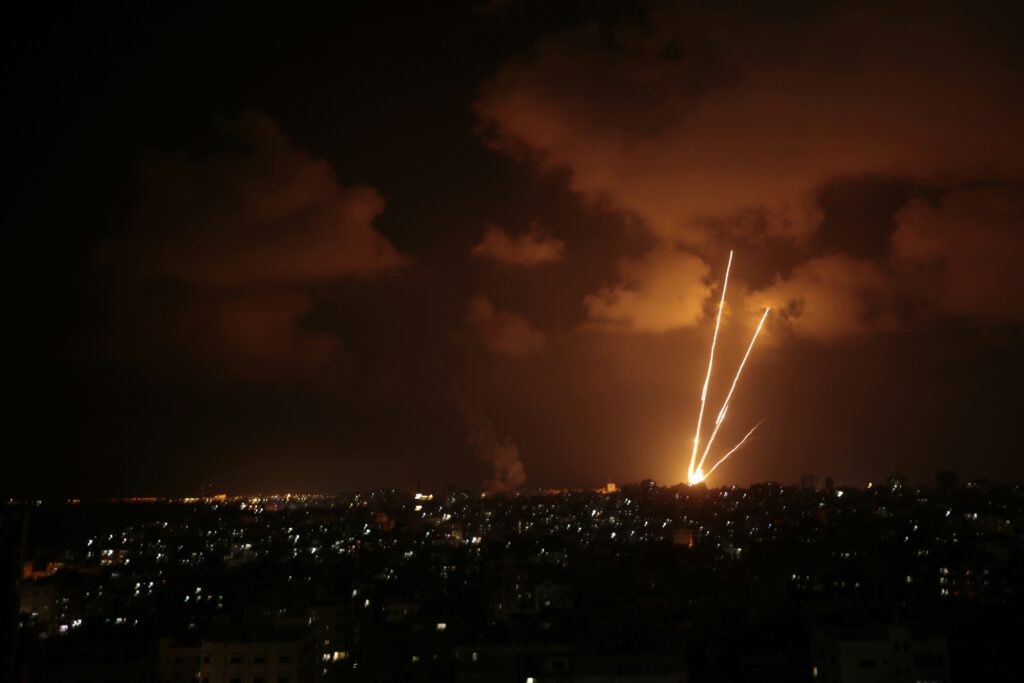
In southern Syria’s Quneitra region, Israeli military units have been reported operating with daily reconnaissance, checkpoints and detentions — all while the ceasefire holds formally elsewhere. One recent operation saw an Israeli unit detain and then release a local bread distributor in Sayda al-Hanout village. Al Jazeera
The absence of full-scale operations does not signal normalisation; rather, Israel appears to leverage the ceasefire to consolidate regional control.
The Strategic Logic: Why These Attacks Persist
Analysts suggest several reasons behind Israel’s regional attacks despite ceasefires:
- Disruption of adversary recovery: In Lebanon and Syria, Israel may seek to prevent Hezbollah or other proxies from rebuilding or rearming.
- Broader security envelope: The West Bank incursions reinforce control over settlements and pre-empt emerging threats before they escalate.
- Negotiation leverage: Sustaining low-level conflicts may serve as pressure points during wider diplomacy.
- Strategic ambiguity: The truce in Gaza offers international breathing space while allowing Israel to continue operations “under the radar” elsewhere.
Humanitarian & Diplomatic Implications
For civilians in Gaza, the West Bank, Lebanon and Syria, the continued attacks mean that any relief the Gaza agreement offered is partial and fragile. Aid flows remain restricted in Gaza, and civilians face the ongoing risk of strikes and displacement. Al Jazeera
Diplomatically, the United States — Israel’s chief backer — appears cautious in holding Tel Aviv to the ceasefire’s letter. U.S. officials visiting Israel this week reportedly focused only on Gaza and not on Israel’s wider regional strikes. Al Jazeera
If the Gaza truce follows the Lebanese model, regional stability remains precarious, with the risk that formal peace becomes less than the sum of its parts.
Why It Matters
A ceasefire’s value lies in reducing violence and enabling longer-term dialogue and reconstruction. In this case, Israel regional attacks despite ceasefires undermine both. If hostilities continue “on the side”, the ceasefire may offer limited relief rather than a durable resolution.
As wars shift from major battlegrounds to low-level multi-front engagements, the true test will be whether diplomacy catches up to the reality of fragmented conflict.
What to Watch
- Whether aid access in Gaza improves meaningfully or remains constrained.
- Whether Hamas or other groups retaliate for ongoing strikes outside Gaza, potentially reigniting broad conflict.
- Whether the U.S. or international monitors begin to challenge Israel’s operations in Lebanon, Syria or the West Bank — or continue to focus solely on Gaza.
- Whether the Gaza ceasefire is extended, renegotiated or collapses under cumulative violations.
Source: Al Jazeera