CARACAS — Venezuela has once again moved to release a large group of individuals previously held as political prisoners, marking another milestone in an ongoing and closely watched process that has drawn attention from international human rights organizations and governments.
At least 104 people recognised as political prisoners were freed across the country on Sunday, human rights group Foro Penal reported, as part of a broader release effort that has been unfolding since early January.
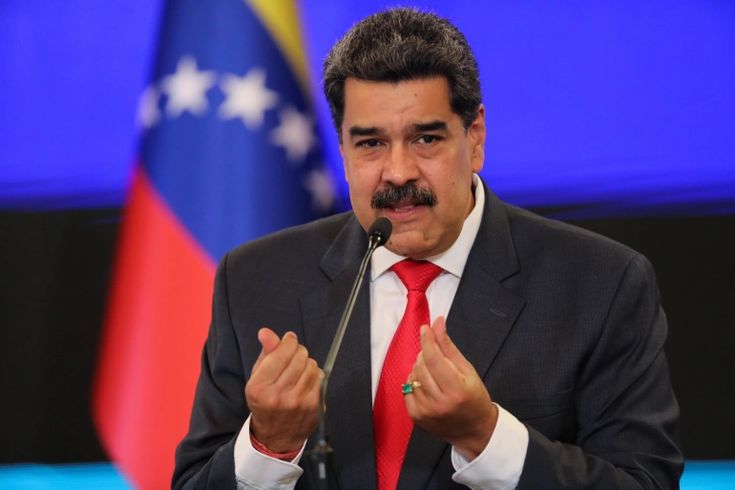
Venezuela’s political landscape remains highly contested following heightened unrest and mass detentions tied to protests against the government’s disputed 2024 election and the subsequent detainment of former president Nicolás Maduro in a U.S. operation earlier this month. Rights groups and family members of detainees have been advocating for transparency and a more expansive release process.
Foro Penal’s director, Alfredo Romero, announced on social media that the organisation had “verified 104 releases of political prisoners in Venezuela today,” noting that this figure could increase as identities are fully confirmed. Earlier reports from the group suggested around 80 releases, but the total was updated as more information became available.
Release Efforts and Official Statements
The releases come amid a campaign by Venezuela’s interim leadership to ease tensions and project a more open political atmosphere. Interim president Delcy Rodríguez has publicly stated that hundreds of detainees have been freed since late last year and that the government intends to continue reductions in political incarceration. Official statements put the number of releases since December in the hundreds, though independent tallies by rights groups report significantly lower verified totals.
Rodríguez also said she planned discussions with the United Nations High Commissioner for Human Rights to verify the list of released prisoners, a move interpreted by observers as an effort to bring greater transparency to a process that has been criticised for its lack of independent oversight.
Human Rights Group Perspectives
Foro Penal and other human rights advocates have emphasised that, while the releases are a welcome step, the process is often opaque and slow. Without official publication of names and consistent verification, families of those still imprisoned are left uncertain about the fate of their loved ones.
“Foro Penal has verified 104 political prisoner releases today, but this figure is not yet definitive,” said Alfredo Romero, highlighting the ongoing nature of the effort. Rights groups urge the government to publish comprehensive lists and clarify criteria for future releases.
Despite the verified releases, Venezuela continues to hold many individuals classified as political prisoners by independent monitors. The exact number varies across sources, but estimates suggest hundreds remain in detention, underscoring that the release effort — while significant — is far from complete.
Families and Public Reaction
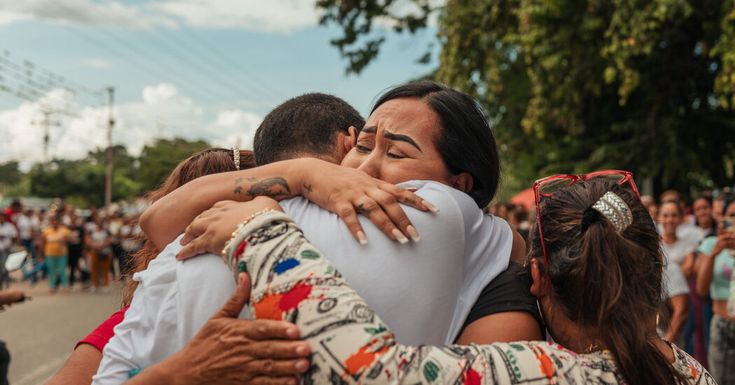
Relatives of freed detainees have expressed relief at reunions and renewed hope that the release process will accelerate. Many families had maintained vigil outside prisons, often camping for days awaiting word on potential releases.
However, concerns persist among civil society groups, who argue that the releases should be accompanied by clear judicial processes and guarantees against future arbitrary detentions. International observers and human rights organisations continue to monitor the situation closely, pressing for systemic changes and transparency.
International Context and Diplomatic Pressure
The release effort in Venezuela has unfolded under continued international scrutiny. Governments and rights groups worldwide have criticised previous mass arrests and detentions, particularly those related to protests and political opposition activity.
Pressure from the United States and other foreign governments is considered one factor in advancing some releases, although Venezuelan officials have pushed back against the notion that external influence should dictate internal policy. Recent rounds of diplomatic engagement underscore a complex balance between sovereignty and international human rights obligations.
What This Means Going Forward
The freeing of 104 political prisoners on Sunday represents another chapter in Venezuela’s evolving political dynamics. While it signals a potential shift toward greater openness, advocates caution that much remains to be done to ensure fair treatment, legal transparency and the complete release of those detained on politically related charges.
Rights groups emphasise that any release process must be matched by accountability, judicial reform, and guarantees that individuals are not re-detained without due process as the country navigates its deeply polarised environment.
This report is part of FFRNEWS World & Latin America coverage, tracking global political developments, human rights issues, and government accountability. Details in this article are based on reporting from news agencies and verification by leading rights organisations on the recent release of political prisoners in Venezuela