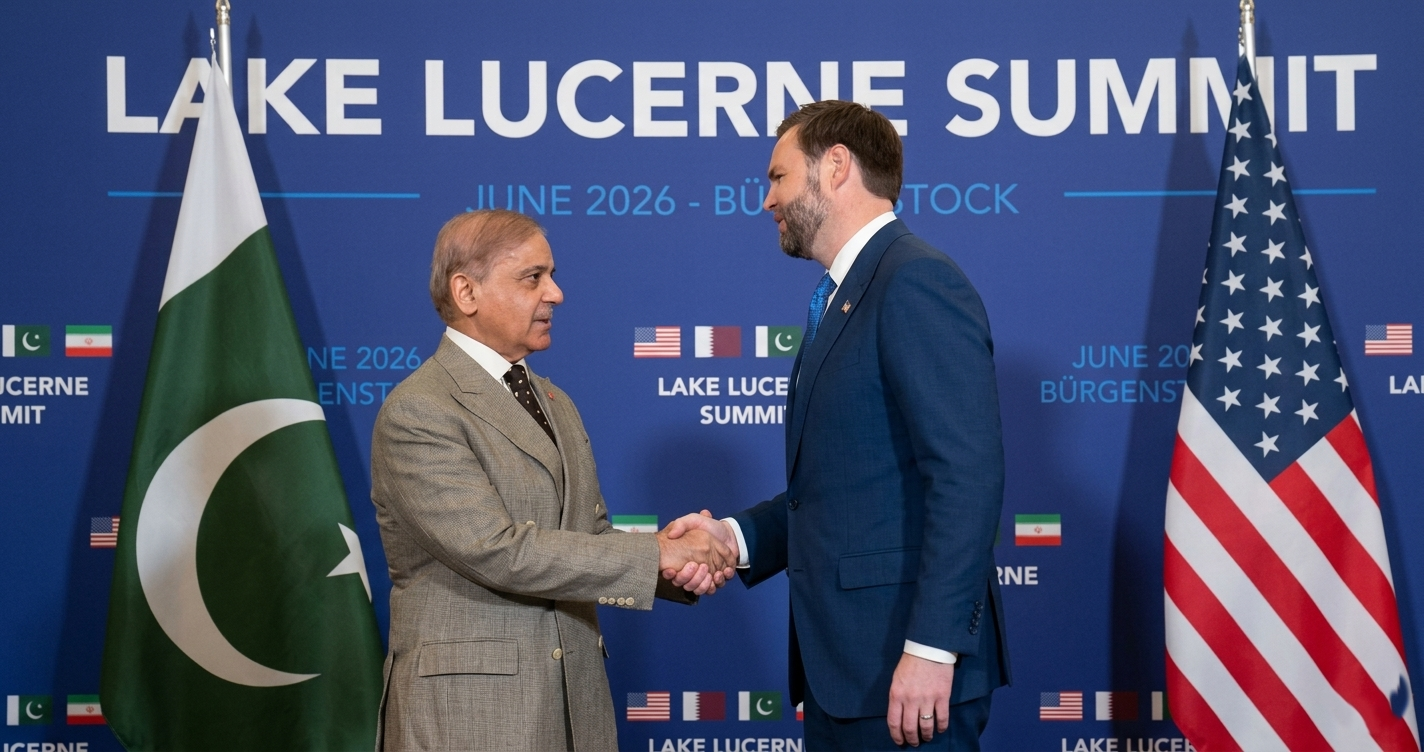
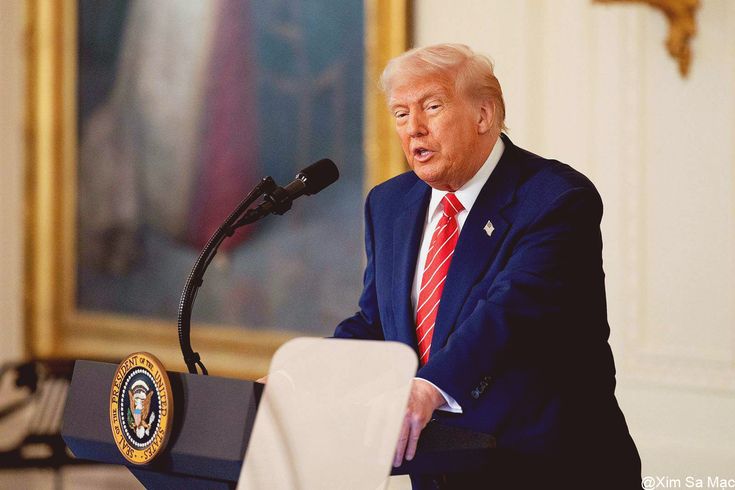
Trump rejects Iran war settlement as the conflict between Iran, Israel, and the United States continues to escalate, raising fears of a prolonged regional war with global consequences. The remarks from U.S. President Donald Trump came during a press briefing aboard Air Force One, where he indicated that negotiations with Tehran were not currently under consideration and suggested the war could end only if Iran’s military and ruling leadership were completely dismantled.
The comments come as the Middle East conflict enters its second week, with continued airstrikes, missile attacks, and growing instability across the region. The situation has already disrupted oil markets, damaged infrastructure, and heightened tensions between multiple countries in the Gulf and beyond.
At the same time, Iran is reportedly nearing a decision on selecting a new supreme leader after the killing of Ayatollah Ali Khamenei in an attack last week. The leadership transition adds another layer of uncertainty to an already volatile geopolitical crisis.
Trump Rejects Iran War Settlement Amid Escalating Conflict
Trump rejects Iran war settlement at a time when international leaders have been calling for diplomatic efforts to de-escalate the crisis. Speaking to reporters, the U.S. president suggested that the war could continue until Iran’s military capabilities and leadership structure are destroyed.
“At some point, I don’t think there will be anybody left maybe to say we surrender,” Trump said, indicating that the U.S. strategy may prioritize military pressure over negotiations.
The United States has justified its involvement in the conflict by claiming Iran posed an imminent threat and was close to acquiring nuclear weapons. However, critics and international observers have questioned the evidence behind those claims.
Meanwhile, Israel, a key U.S. ally in the region, has continued launching airstrikes on Iranian targets, including missile facilities, command centers, and fuel depots. Explosions were reported across parts of Tehran as Israeli attacks intensified.
The escalating violence has significantly increased the risk of a wider regional conflict, drawing in neighboring states and affecting global economic stability.
Iran Considers New Supreme Leader After Khamenei’s Death
A major political development in Iran is unfolding simultaneously with the ongoing war. The country’s Assembly of Experts, the clerical body responsible for choosing Iran’s supreme leader, is reportedly preparing to meet to select a successor following the death of Ayatollah Ali Khamenei.
Iranian media reports indicate that consensus among senior clerics may already be forming around a potential candidate. If confirmed, the decision could shape the country’s political and military direction during the conflict.
The supreme leader holds ultimate authority in Iran’s political system, overseeing the armed forces, judiciary, and major state institutions. The selection of a new leader during wartime adds further uncertainty about how Tehran might respond to continued attacks.
Some analysts believe the leadership transition could either intensify Iran’s military stance or open limited opportunities for diplomatic recalibration depending on who assumes the role.
Regional Attacks Spread Across the Middle East
The broader regional situation has become increasingly unstable as the war spreads beyond Iran’s borders.
Several Gulf countries reported drone attacks linked to the conflict. Saudi Arabia, Kuwait, the United Arab Emirates, and Bahrain all reported incidents involving Iranian drones targeting U.S. facilities within their territories.
In Kuwait, a large fire engulfed a government office building after an attack, highlighting how the conflict is affecting neighboring states that host American military bases.
An explosion also struck the U.S. embassy in Oslo, Norway, causing minor damage but no casualties. Authorities are investigating the incident, and it remains unclear whether it is directly connected to the ongoing conflict.
These incidents illustrate how the conflict’s ripple effects are being felt far beyond the immediate battlefield.
Iran’s President Apologizes to Gulf Neighbors
Amid growing regional tension, Iran’s President Masoud Pezeshkian issued an apology to neighboring countries following attacks on U.S. military facilities located in their territories.
The apology appeared to be an attempt to ease diplomatic tensions with Gulf states that have become increasingly concerned about being drawn into the conflict.
Pezeshkian stated that Iran would suspend attacks on neighboring countries unless military strikes against Iran were launched from their territory. However, his comments caused political controversy inside Iran, where some officials feared the statement might signal weakness during wartime.
Shortly afterward, the Iranian government clarified that its armed forces would continue to respond forcefully to any attacks originating from U.S. bases in the region.
The episode highlights the internal political pressures facing Iranian leadership as the conflict unfolds.
Rising Civilian Casualties and Military Losses
The humanitarian toll of the conflict continues to grow rapidly.
According to Iran’s ambassador to the United Nations, more than 1,300 Iranian civilians have been killed since the start of the war, with thousands more injured. Iranian officials claim that some of the casualties resulted from attacks on civilian infrastructure.
One controversial incident involved a strike on a girls’ school that reportedly killed dozens of children. U.S. officials told reporters that American forces may have been responsible for the strike, though investigations are ongoing.
Trump suggested Iran may have been responsible, but no definitive conclusion has yet been reached.
The conflict has also resulted in casualties among military forces on multiple sides. At least six U.S. service members have been killed, while Iranian missile strikes on Israel have reportedly killed ten people.
These losses underscore the growing human cost of the war as it intensifies.
Oil Markets and Global Economy Impacted
Beyond the immediate military confrontation, the war is already producing major economic consequences worldwide.
Iran’s strategy of disrupting regional stability has affected global energy markets, particularly through the Strait of Hormuz, one of the most important shipping routes for oil.
Several Middle Eastern energy producers have begun reducing output. Kuwait’s national oil company announced production cuts, while Iraq and Qatar have also reduced supply levels.
As a result, oil prices have surged to multi-year highs, triggering concerns among global markets about inflation, supply disruptions, and the stability of international trade.
Air travel and shipping routes across the region have also been disrupted, complicating logistics and increasing costs for businesses worldwide.
Israel Warns Lebanon Over Hezbollah Activity
The conflict is also spilling into neighboring Lebanon, where the Iran-aligned militia Hezbollah has launched attacks across the Israeli border.
In response, Israel carried out strikes in Lebanon and warned the Lebanese government that it would face severe consequences if it failed to control Hezbollah’s actions.
Since the start of the conflict, Israeli strikes in Lebanon have reportedly killed around 300 people, further raising fears that the war could expand into a broader regional confrontation.
Diplomats have expressed concern that the involvement of additional armed groups could transform the conflict into a multi-front war stretching across the Middle East.
Future of the Conflict Remains Uncertain
With Trump rejecting diplomatic negotiations and military operations continuing on multiple fronts, the future of the conflict remains uncertain.
The potential selection of a new Iranian supreme leader could significantly shape Tehran’s next steps, while continued Israeli and U.S. strikes may escalate tensions further.
At the same time, global powers are watching closely as the war threatens energy supplies, regional security, and international stability.
For now, the situation remains highly volatile, with the possibility that the conflict could intensify or spread beyond the region if diplomatic efforts fail to gain traction.
Read more global political coverage in the FFRNews Politics Section. More international breaking news and geopolitical analysis can be found at:
https://ffrnews.com
This report is based on international coverage from Reuters, which reported the latest developments in the Iran-U.S.-Israel conflict and Iran’s leadership transition: