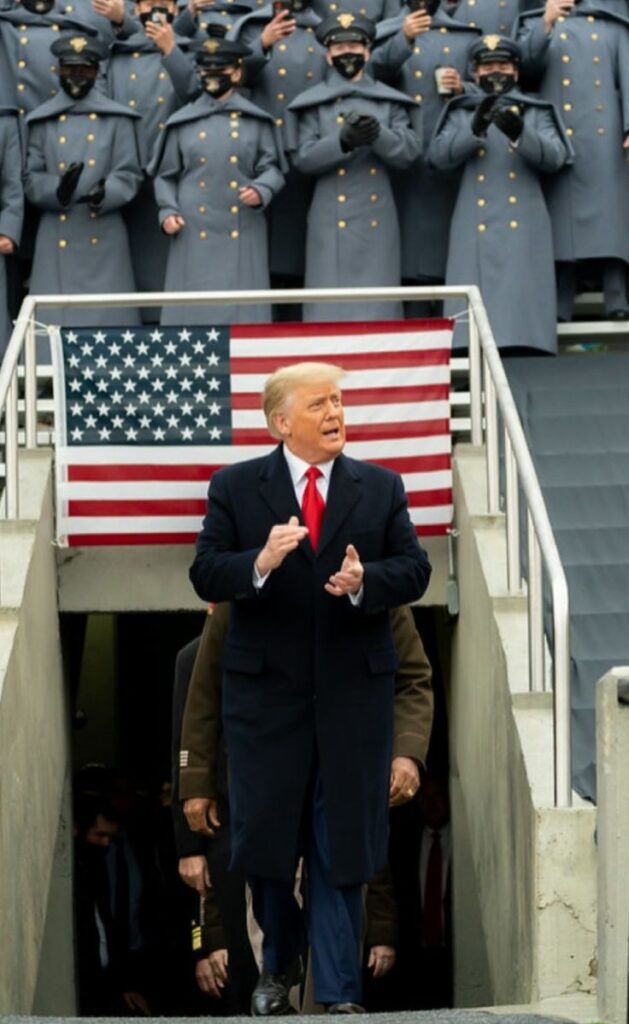
The Trump CIA operations in Venezuela have reignited tensions between Washington and Caracas, marking a significant escalation in US involvement in Latin America. President Donald Trump confirmed that he personally authorised the CIA to conduct covert operations inside Venezuela — a rare and controversial acknowledgment by a US president regarding secret intelligence missions.
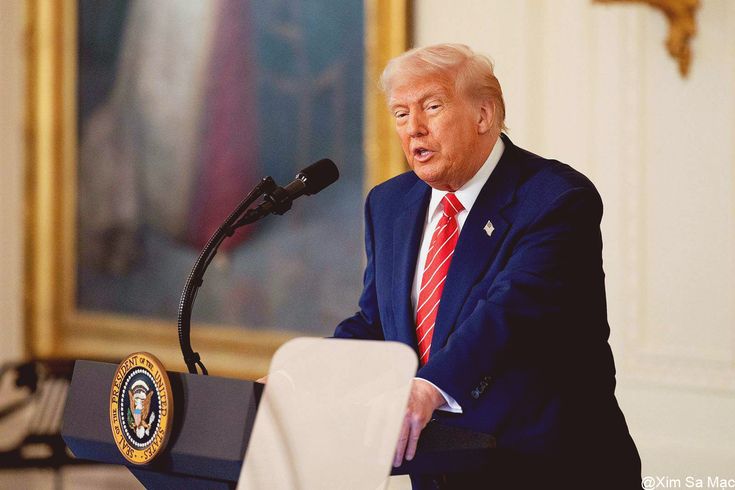
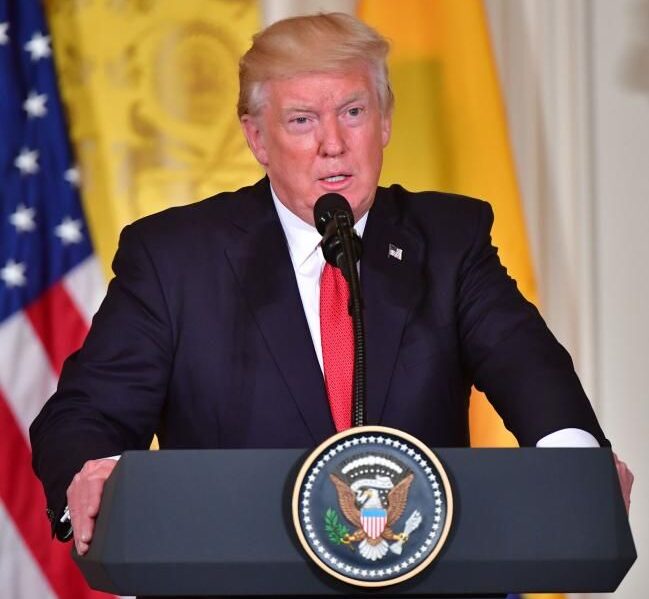
Speaking at the White House, Trump said the decision came in response to two main issues: drug trafficking and migration. “They [Venezuela] have emptied their prisons into the United States,” Trump claimed, adding that “a lot of the Venezuelan drugs come in through the sea, but we’re going to stop them by land also.”
His comments came after a series of US strikes in the Caribbean that killed 27 people, with officials describing the targets as drug-trafficking boats. However, UN-appointed human rights experts condemned the raids as “extrajudicial executions,” sparking global concern.
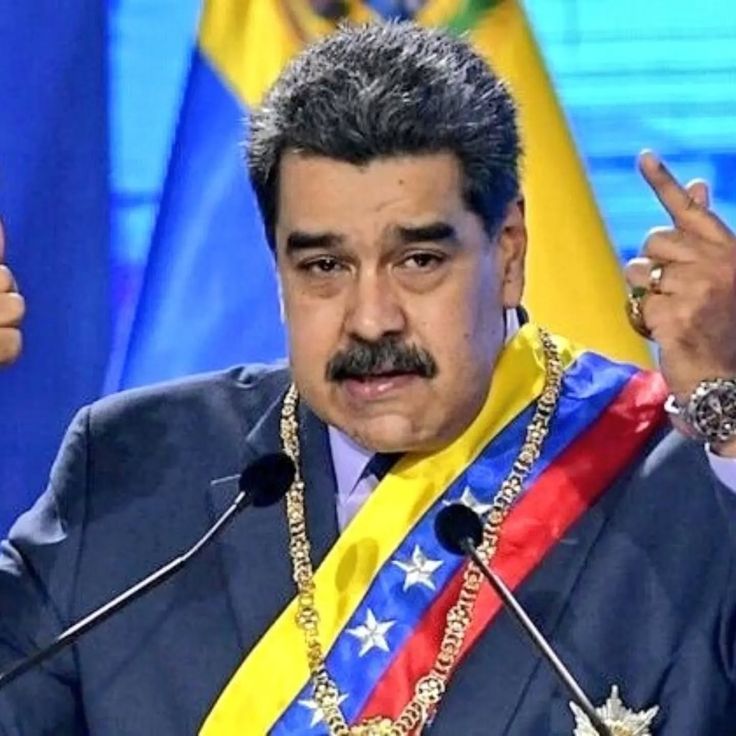
Maduro Responds: “No to CIA-Orchestrated Coups”
In a televised address, Venezuelan President Nicolás Maduro fiercely rejected Trump’s comments, accusing the United States of pursuing “regime change” and attempting to overthrow his government. “No to CIA-orchestrated coups d’état,” Maduro declared. “No to regime change, which reminds us so much of the endless, failed wars in Afghanistan, Iraq, Libya, and so on.”
Maduro, whose legitimacy remains disputed after controversial elections, also called for peace with the US. “Listen to me, no war, yes peace, the people United States,” he said. Meanwhile, he ordered military drills in Caracas and nearby states, mobilising troops, police, and militias to defend Venezuela’s sovereignty.
Venezuela’s Foreign Minister Yván Gil echoed the president’s stance, denouncing Washington’s actions as “a policy of aggression, threat, and harassment.” He expressed “extreme alarm” over the use of the CIA and the growing US military presence in the Caribbean, which currently includes eight warships, a nuclear-powered submarine, and fighter jets.
CIA Authorization and U.S. Strategy
According to The New York Times, Trump’s authorization grants the CIA permission to operate in Venezuela either independently or in coordination with broader US military actions. While it remains unclear whether the CIA has already begun operations, experts suggest the move represents a significant expansion of America’s covert footprint in the region.
Mick Mulroy, a former CIA paramilitary officer and Pentagon official, told the BBC that such authorisation would require “a presidential finding” explicitly detailing the agency’s scope and actions. “It would mark a substantial increase in efforts against drug-trafficking organizations,” Mulroy said, adding that the plan could resemble a “real-life Sicario” scenario — referencing the 2015 film about clandestine US anti-cartel missions.
Despite US claims that Venezuela is a hub for narcotics operations, analysts note that the country plays only a limited role in regional drug trafficking compared to Colombia or Mexico. Still, Trump’s administration has accused Maduro and top military officials of participating in the so-called Cartel of the Suns — allegations Venezuela’s leadership strongly denies.
Rising Tensions and Global Concern
The CIA authorisation comes amid growing instability in Latin America. The Trump administration recently circulated a memo to Congress declaring a “non-international armed conflict” against drug-trafficking organisations — a move that effectively broadens legal justification for US military action abroad.
Human rights groups warn that such policies could lead to civilian casualties and political chaos reminiscent of previous US interventions in Latin America. Analysts also caution that direct CIA involvement risks inflaming anti-American sentiment across the region, potentially pushing Venezuela closer to allies such as Russia, China, and Iran.
Meanwhile, the Venezuelan public remains divided. Supporters of Maduro see the US actions as imperial aggression, while opposition groups accuse the president of using the CIA threat to justify repression and militarisation at home.
The Bigger Picture
Trump’s statements about the CIA’s role in Venezuela mark an extraordinary breach of intelligence secrecy norms. Historically, US presidents have avoided public acknowledgment of covert actions, especially those targeting foreign governments. Trump’s blunt admission — coupled with his threat to “look at land now” — signals an aggressive posture that could reshape US policy in the Western Hemisphere.
As both nations brace for possible escalation, calls for diplomacy are growing. Regional blocs like the Organization of American States (OAS) and the United Nations are urging restraint, warning that a military confrontation in oil-rich Venezuela could have far-reaching consequences for global energy markets and regional stability.
For now, the future of Trump CIA operations in Venezuela remains uncertain — but one thing is clear: the geopolitical tensions between Washington and Caracas have entered a volatile new phase, reviving fears of a Cold War-style confrontation in Latin America.
Source: BBC News’