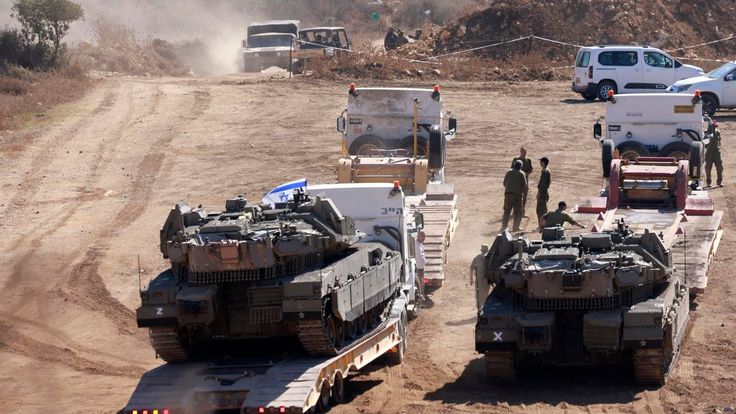
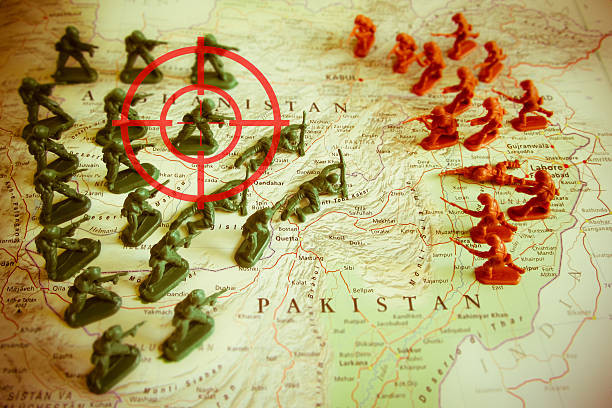
The ongoing Pakistan and Taliban tensions have reached a critical stage, with recent cross-border strikes and political hostilities pushing both nations toward a potential prolonged crisis. Once allies, Pakistan and the Taliban are now facing a deep divide rooted in mistrust, conflicting interests, and years of strategic miscalculations. Despite knowing that continued hostilities will hurt both sides, peace remains difficult to achieve.
From Allies to Adversaries
When the Taliban regained control of Kabul in August 2021, Pakistan welcomed their return, anticipating a friendly government across the border that would ensure regional stability. Islamabad believed that its decades of support for the Taliban would translate into influence and cooperation. However, the relationship that once seemed strategic has since crumbled, culminating in Pakistani airstrikes on Kabul for the first time in recent history.
Between 2001 and 2021, Pakistan’s policy on Afghanistan was contradictory. While it supported the United States’ military presence and recognized its backed government, it simultaneously tolerated Taliban resurgence within its borders. This dual strategy created a fragile balance that has now shattered.
What’s at Stake for Both Sides
For Pakistan, the stakes are high. The nation faces a deadly insurgency within its borders, economic turmoil, and mounting political instability. Since the Taliban’s return, Pakistan has suffered over 2,400 deaths in terrorist attacks during the first three quarters of 2025 alone — nearly matching the total casualties from all of last year.
Islamabad blames the Tehreek-e-Taliban Pakistan (TTP) for most of these attacks. The group, whose leadership resides in Afghanistan, shares ideological and tribal ties with the Afghan Taliban. Pakistan expected the Taliban to restrain or expel TTP militants after taking power, but the opposite occurred. The TTP continues to demand Islamic law and autonomy in the tribal border regions, intensifying Pakistan’s security concerns.
Meanwhile, the Taliban government faces its own crises. Still unrecognized internationally (with the exception of Russia), Afghanistan’s rulers struggle with a collapsing economy, dwindling humanitarian aid, and worsening poverty. Sanctions and isolation have crippled governance, leaving millions dependent on aid as health and education systems teeter on collapse. For the Taliban, another prolonged conflict — especially with Pakistan — would worsen an already desperate situation.
Can the Two Sides Mend Ties?
While both nations have briefly agreed to ceasefires, these truces are fragile. Pakistan now refers to the Taliban administration as a “regime,” signaling a shift in tone from partnership to confrontation. Pakistani leaders have warned of continued military operations if Kabul fails to act against the TTP.
Pakistan’s military, equipped with advanced weaponry and global alliances, holds clear superiority. The army, emboldened by its perceived success in the 2025 war with India, views Afghanistan as a dependent neighbor. Pakistan also hosts millions of Afghan refugees — a leverage it may use to pressure the Taliban.
Conversely, the Taliban view themselves as victorious warriors who defeated a superpower and now see Pakistan’s aggression as a challenge to their sovereignty. They have countered Pakistan’s claims by accusing its military of harboring ISIL-K fighters in tribal regions.
The Economic and Human Toll
As border tensions rise, both nations face economic strain. Trade routes between Pakistan and Afghanistan remain closed, severely impacting commerce and livelihoods on both sides. Afghanistan, a landlocked country, is especially vulnerable as it depends heavily on Pakistani ports and transit for trade.
The Taliban’s lack of modern defense systems — including radar, drones, and air defenses — leaves them militarily disadvantaged. Yet, Pakistan’s escalation could backfire by increasing sympathy for the Taliban among Afghans, even those critical of their rule.
The Path to De-Escalation
To restore stability, both countries must overcome decades of distrust and conflicting agendas. Pakistan frames its fight against the TTP as part of its broader confrontation with India, often accusing New Delhi of supporting anti-Pakistan militants. However, the Taliban’s ties to the TTP run deep — forged by years of shared ideology, battlefield cooperation, and tribal kinship. Expecting the Taliban to turn against them may be unrealistic.
Still, the situation is dangerous for both. A potential fatwa from Taliban leader Haibatullah Akhundzada calling for war against Pakistan could ignite religious fervor within Pakistan itself, where many clerics and students revere him. Such a scenario could destabilize Pakistan internally, as Islamist parties would resist a full-scale war against the Taliban.
Mediation and the Road Forward
Amid this volatile situation, mediation from neutral Muslim countries may offer the best hope. Nations like Qatar and Saudi Arabia, which maintain ties with both sides, have already helped defuse tensions. Taliban Foreign Minister Amir Khan Muttaqi recently acknowledged that retaliatory attacks against Pakistan stopped after interventions from these mediators.
But mediation can only succeed if both Islamabad and Kabul truly desire peace. As of now, both governments continue to trade threats and accusations. Each new clash risks triggering a wider conflict that neither nation can afford.
A Fragile Future
Geography and history bind Pakistan and Afghanistan in deep interdependence. Millions of families share cultural, economic, and ethnic ties across the Durand Line. Yet, political mistrust continues to overshadow these connections.
For sustainable peace, Afghanistan’s leaders must pursue pragmatic diplomacy, while Pakistan must craft a foreign policy toward Kabul that isn’t defined by its rivalry with India. Another war in the region would be devastating — deepening suffering, displacing civilians, and further destabilizing South Asia.
Both nations need to realize that peace, not power plays, is the only path forward. The Pakistan and Taliban tensions may not end soon, but meaningful dialogue and regional cooperation could eventually bring stability to one of the world’s most volatile borders.
Source: Al Jazeera