
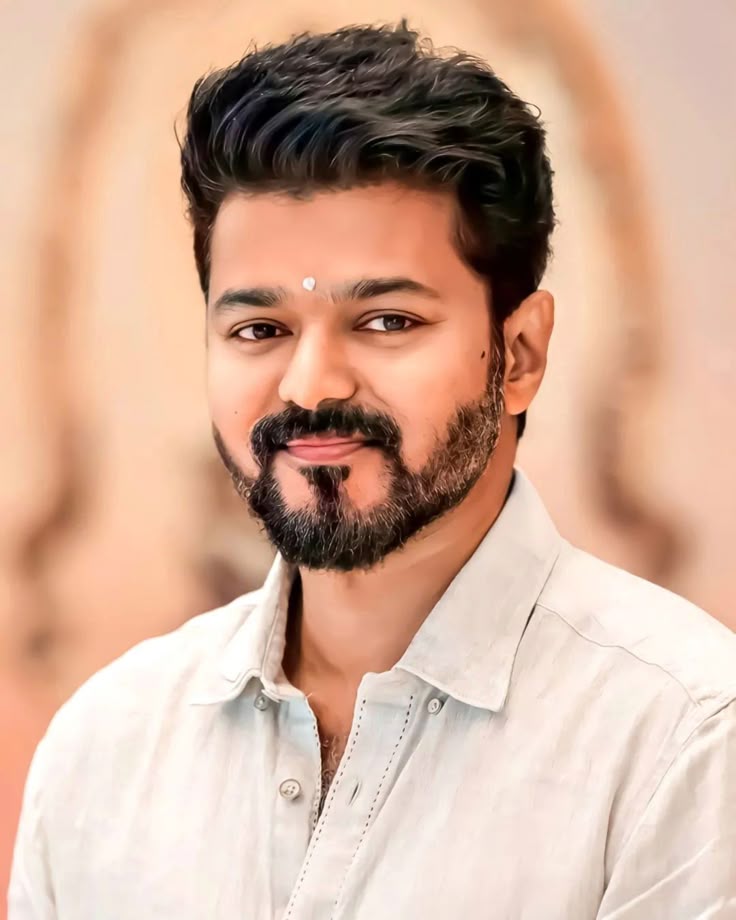
What was meant to be a triumphant political event for one of Tamil Nadu’s most beloved film stars has now turned into a national controversy. On Saturday, a massive crowd gathered in Karur district to attend a campaign rally led by actor-turned-politician Vijay. Within minutes, joy turned into chaos when an unexpected surge in the crowd caused a deadly stampede, leaving at least 40 people dead and dozens more injured.
The tragedy has sparked outrage, political blame games, and a wave of criticism directed at both the organisers and state authorities. As India grapples with the aftermath, questions loom over how a superstar’s popularity spiralled into a national tragedy — and whether it will derail Vijay’s political ambitions before they even take off.
A Star’s Journey: From Silver Screen to Political Stage
Born Joseph Vijay Chandrasekhar, Vijay is no ordinary celebrity. With a film career spanning over three decades, he has become one of Tamil cinema’s most bankable stars. From romantic comedies to action thrillers, his movies — such as Ghilli (2004), Pokkiri (2007), and Thuppakki (2012) — have broken box office records and cemented his status as a household name across southern India.
Known affectionately by fans as Ilaya Thalapathy (Young Commander), Vijay’s stardom transcends cinema. His charisma, smooth dance moves, and on-screen heroism have translated into an almost cult-like fan following. Even critically panned films like Beast (2022) and The Greatest of All Time (2024) have been runaway commercial successes — a testament to his unmatched popularity.
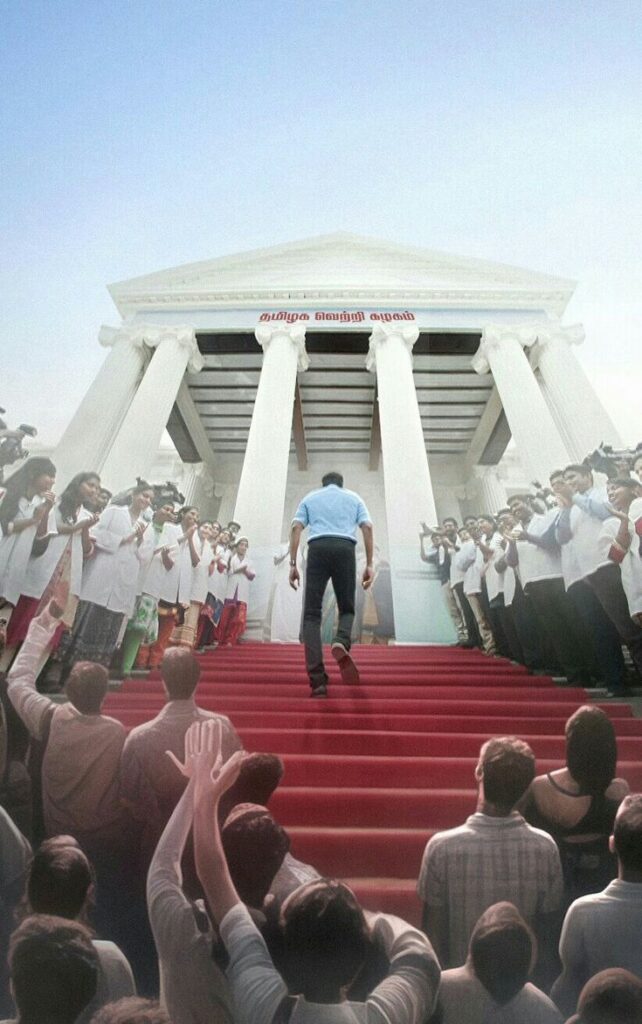
In 2024, after decades in the entertainment industry, Vijay made a dramatic pivot: he announced his retirement from acting and launched his own political party, the Tamilaga Vettri Kazhagam (TVK). His final film, Jana Nayagan, is slated for release next year. But politics in Tamil Nadu is no stranger to film stars — legends like M. G. Ramachandran and J. Jayalalithaa made similar transitions and went on to serve as chief ministers. Vijay’s move is seen as an attempt to follow in their footsteps.
The Fatal Rally: What Went Wrong
On 28 September 2025, thousands of people gathered at Karur to hear Vijay speak. But what began as a celebratory show of political strength quickly turned disastrous. Eyewitnesses say that as Vijay was delivering his speech, parts of the crowd surged forward, creating a deadly stampede that crushed people underfoot.
Authorities have confirmed at least 40 deaths, with dozens more critically injured. Police claim the organisers underestimated the size of the crowd and failed to implement sufficient safety measures. Opposition parties, however, blame the state government for not deploying enough security personnel to manage the massive turnout.
TVK members have countered that they were denied permission to hold the event at a larger, safer venue. Meanwhile, the state’s ruling DMK party insists that the venue was approved by TVK itself. The finger-pointing has done little to console grieving families, who gathered outside hospitals mourning their loved ones.
Public Reaction and Political Fallout
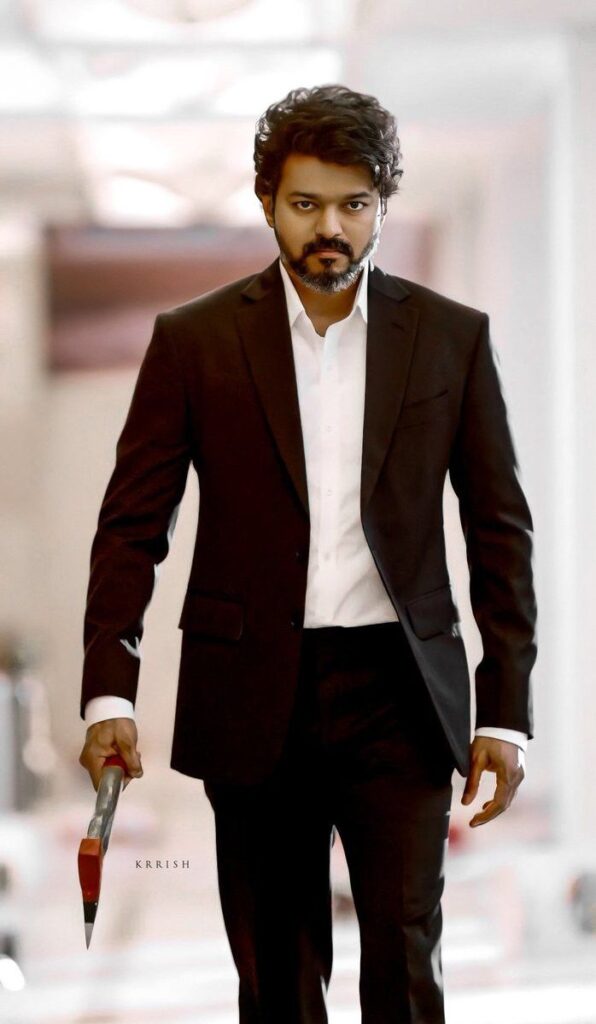
The tragedy has triggered widespread anger, with some political opponents even calling for Vijay’s arrest. Given his immense popularity, however, the state government is treading carefully. A one-member commission of inquiry has been set up to investigate the incident, and Tamil Nadu Chief Minister M. K. Stalin has promised swift action based on the findings within two months.
TVK has also filed a petition in the Madras High Court, demanding a federal investigation into the incident. The court is scheduled to hear the case soon.
Vijay himself has expressed his “shattered” feelings over the tragedy and announced financial compensation for the victims’ families. However, critics have slammed him for not visiting the injured or the families of the deceased immediately after the incident. Instead, he returned to Chennai — a decision many view as politically tone-deaf and insensitive.
The Road Ahead: Can Vijay Recover Politically?
Political analysts say the incident could mark a defining moment in Vijay’s fledgling political career. While his rallies consistently draw massive crowds, the stampede has exposed glaring weaknesses in TVK’s organisational capabilities. More importantly, it has raised doubts about Vijay’s ability to handle crises — a crucial quality for any political leader.
“There is no doubt Vijay commands an enormous following,” says BBC Global Affairs correspondent Anbarasan Ethirajan. “But he is new to politics and lacks a seasoned leadership team to manage emergencies. His absence at the scene after the tragedy may leave a lasting dent in his public image.”
Still, history suggests that celebrity politicians in Tamil Nadu often weather controversies if their charisma and mass appeal remain intact. Whether this tragedy will significantly impact Vijay’s political momentum remains to be seen — but it has undoubtedly cast a shadow over his campaign and raised uncomfortable questions about his readiness for governance.
Echoes of Stardom, Shadows of Responsibility
The stampede at Vijay’s rally is more than a tragic accident — it’s a sobering reminder of how fame, politics, and public safety intersect in India’s volatile electoral landscape. As the investigation unfolds, the incident could shape not only Vijay’s future but also broader debates about celebrity-driven politics in the world’s largest democracy.
For now, the Tamil superstar’s meteoric rise has been halted by a grim reality: political power carries responsibilities far beyond the silver screen.