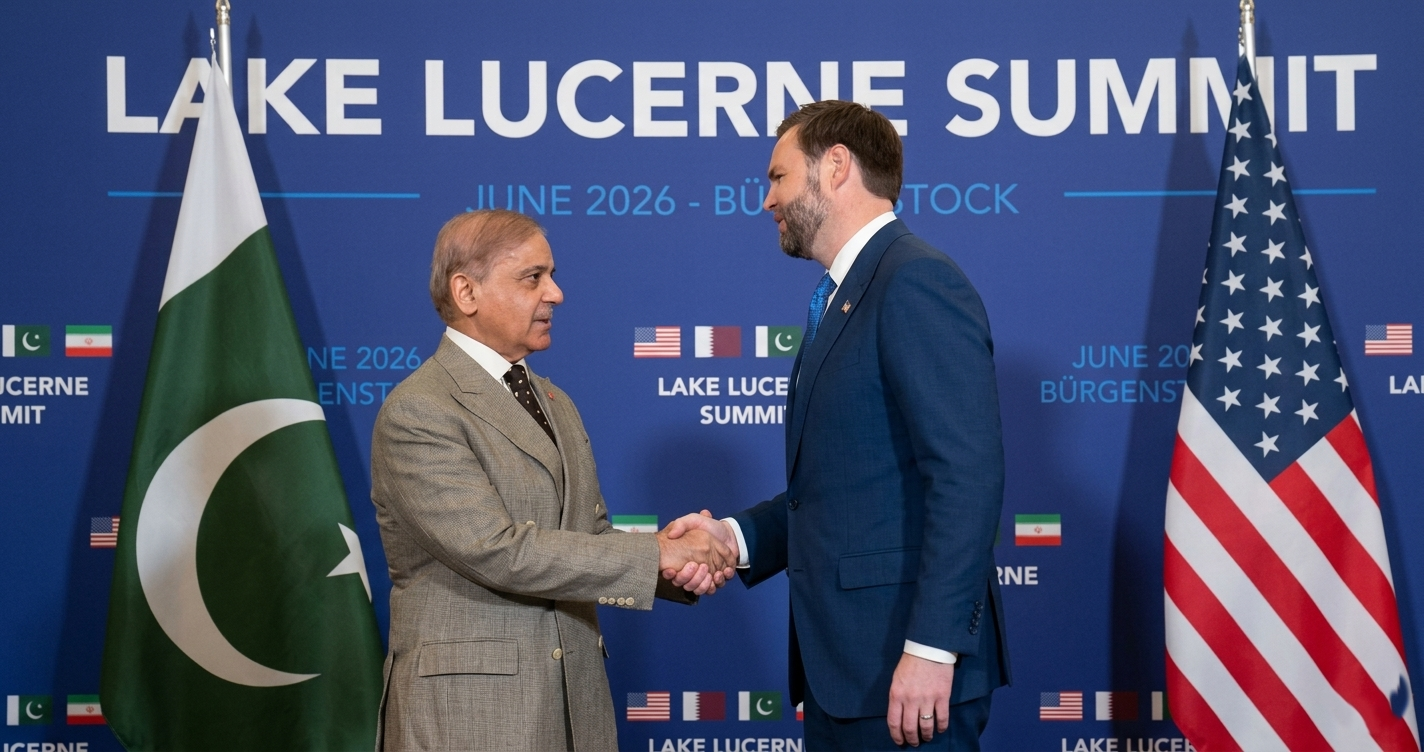
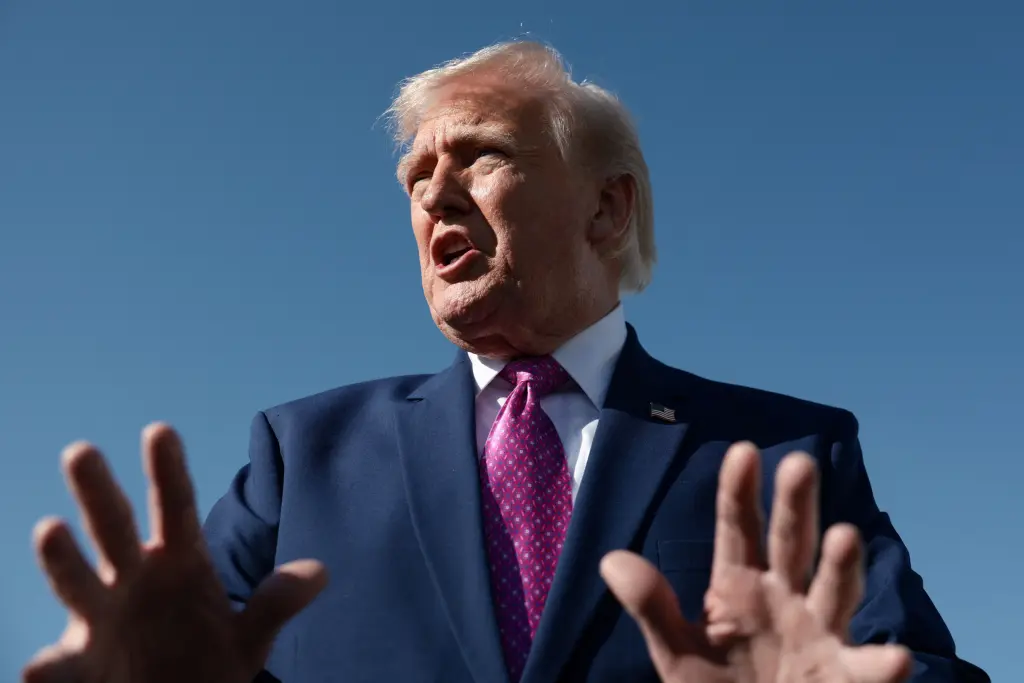
The latest round of Hormuz Peace Talks has raised hopes of a possible breakthrough in the long-running tensions between the United States and Iran. US President Donald Trump announced that an agreement with Iran has been “largely negotiated,” suggesting that final details could soon be completed after weeks of indirect negotiations and regional mediation efforts.
The development comes after months of conflict across the Middle East, including military confrontations involving Iran, Israel, and the United States. The situation had disrupted shipping routes, increased oil prices, and heightened fears of wider regional instability. Now, diplomats from multiple countries are attempting to secure a framework that could reduce tensions and reopen key trade routes such as the Strait of Hormuz.
Hormuz Peace Talks Gain Momentum After Trump Statement
Trump’s comments on Truth Social immediately drew global attention. According to the US president, negotiators have made major progress on a framework involving Iran, Gulf nations, and the United States.
He stated that final details were still under discussion but indicated optimism that a formal announcement could be made soon. One of the most significant parts of the proposed agreement involves restoring access through the Strait of Hormuz, one of the world’s most critical energy shipping lanes.
The waterway became a central issue after military escalation in the Gulf disrupted global energy markets and triggered concerns over international oil supplies. Analysts say any reopening agreement would help calm economic uncertainty and reduce pressure on global fuel prices.
Marco Rubio Confirms “Significant Progress”
US Secretary of State Marco Rubio reinforced Trump’s message during a press conference in New Delhi alongside Indian External Affairs Minister S. Jaishankar.
Rubio said “significant progress” had been achieved in negotiations, although he emphasized that the process was not complete. He repeated Washington’s position that Iran must never possess nuclear weapons and rejected suggestions that the US would accept a deal allowing Tehran to strengthen its nuclear capabilities.
The secretary of state also hinted that positive developments regarding the Strait of Hormuz could emerge within hours if negotiations continued successfully.
Rubio explained that diplomatic engagement remained the preferred option for the United States despite ongoing military tensions across the region.
Iran Signals Cautious Optimism
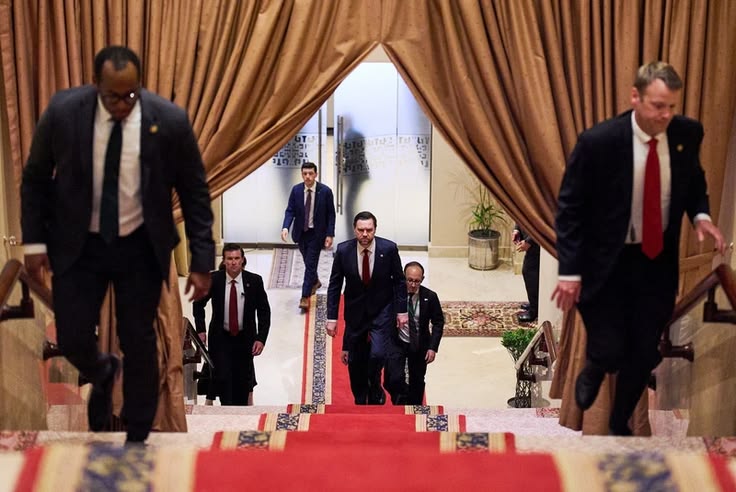
Iranian officials have responded carefully to reports of a possible agreement. Iranian Foreign Ministry spokesperson Esmail Baghaei acknowledged that US and Iranian positions had moved closer during recent negotiations.
However, Tehran warned that convergence on some issues did not guarantee a final agreement on critical matters such as nuclear enrichment, sanctions relief, and regional military activity.
Iran’s semi-official Tasnim news agency reported that the Strait of Hormuz would not immediately return to its full pre-war status. Instead, maritime traffic would gradually recover over a 30-day period under any finalized agreement.
Iranian media also stressed that Tehran intended to maintain sovereignty and oversight over the strategically important waterway.
Pakistan Continues Key Mediation Role
Pakistan has emerged as a major diplomatic intermediary during the negotiations. Pakistani officials hosted previous discussions between US and Iranian representatives in Islamabad and continue facilitating communication between both sides.
Pakistani Foreign Minister Ishaq Dar described the latest developments as encouraging and said a “positive and durable outcome” was now within reach.
Islamabad has coordinated discussions involving regional powers including Saudi Arabia, Qatar, Türkiye, Egypt, Jordan, and the United Arab Emirates. Diplomatic observers say Pakistan’s role has strengthened its position as a regional mediator capable of engaging with both Western and Middle Eastern governments.
Strait of Hormuz Remains Central Issue
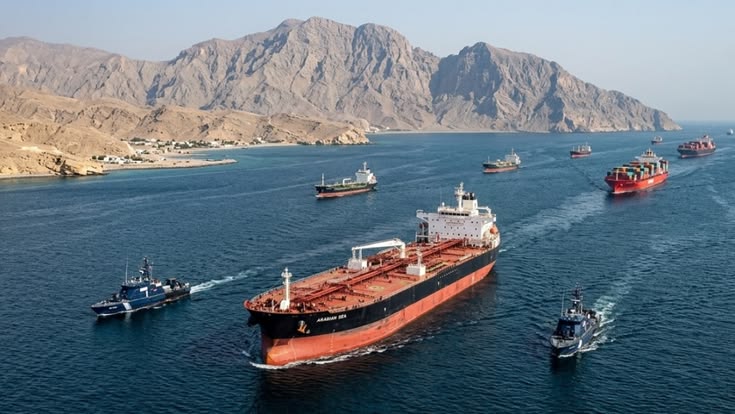
The Strait of Hormuz remains one of the world’s most strategically important waterways because nearly one-fifth of global oil shipments pass through it every day.
During the recent Iran conflict, disruptions to shipping traffic caused major economic concerns worldwide. Insurance costs for tankers increased sharply while several countries worried about long-term energy supply instability.
Negotiators are reportedly working on arrangements that would gradually normalize shipping activity while also addressing Iran’s security concerns and the removal of certain maritime restrictions.
Energy analysts believe a successful Hormuz Peace Talks agreement could stabilize oil markets and reduce inflationary pressure on multiple economies already facing financial challenges.
Regional Tensions Still Continue
Despite diplomatic progress, violence has not fully stopped across the region. Israel and Hezbollah continue exchanging accusations over ceasefire violations in southern Lebanon. Military operations involving drones and missile strikes have continued near border regions.
At the same time, Iran remains skeptical about US intentions because previous negotiations collapsed amid military escalation earlier this year.
Political analysts note that trust remains extremely fragile between Washington and Tehran. While both sides appear interested in avoiding further escalation, disagreements over nuclear inspections, sanctions, and regional influence continue to create obstacles.
The negotiations are therefore being viewed as a cautious step forward rather than a guaranteed peace settlement.
Global Attention Focused on Final Outcome
Governments around the world are closely monitoring the Hormuz Peace Talks because the outcome could reshape security and economic conditions across the Middle East.
A successful agreement would likely reduce military tensions, reopen critical shipping routes, and ease concerns over energy prices. Failure, however, could trigger renewed escalation involving multiple regional actors.
For now, both Washington and Tehran appear willing to continue diplomatic engagement while mediators work to bridge remaining differences.
International markets, regional allies, and security analysts are expected to remain focused on the next official announcements from both governments as negotiations continue.
For more international diplomacy and geopolitical coverage, visit FFRNEWS World News. External reporting and developments referenced in this article were based on updates from BBC News and official public statements from US and Iranian officials.