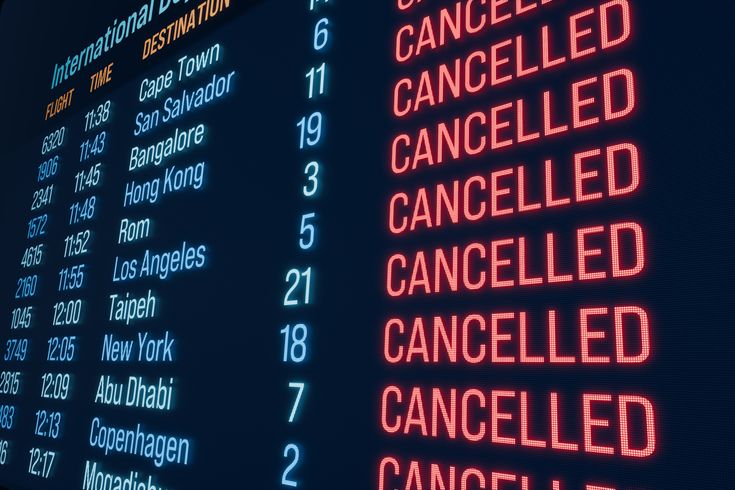

Hurricane Melissa Jamaica is now facing its most formidable challenge yet as the island braces for a mega-storm of unprecedented magnitude. The hurricane, upgraded by the National Hurricane Center (NHC) to Category 5 status— the highest possible rating on the Saffir-Simpson scale—has triggered a full-island alert and massive preparatory efforts ahead of a landfall that could rewrite Jamaica’s weather history. TIME+3Reuters+3AP News+3
Intensification and track
Hurricane Melissa Jamaica is rapidly intensifying over abnormally warm Atlantic waters, fuelled by ocean surface temperatures 2 °C to 3 °C above normal—a key factor that has helped the storm strengthen so quickly. AP News+1
As of the latest advisory, Melissa is tracking slowly west-northwest toward the south coast of Jamaica, with its core expected to impact the island overnight into early Tuesday. Sustained winds of 165 mph (270 km/h) have already been recorded, with higher gusts possible as the storm’s inner eyewall organizes. The Washington Post+1
Forecasters predict it will be “an extremely powerful major hurricane” as it passes over Jamaica, then continues across southeastern Cuba and later the Bahamas. Reuters+1
Why this is so dangerous
What makes Hurricane Melissa Jamaica particularly threatening isn’t merely its peak strength—it’s the combination of factors that enhance every hazard:
- Slow movement: The storm is moving at only 3 – 7 mph, meaning areas will be exposed to destructive winds, rain and surge for longer periods. The Washington Post+1
- Extreme rainfall: Up to 40 inches (100 cm) of rain are possible in mountainous zones, raising the risk of flash floods and deadly landslides. TIME+1
- Storm surge and waves: The south coast of Jamaica is expected to see surge heights between 9-13 ft (3-4 m) along with large breaking waves in Prince-style communities. The Washington Post+1
- Record-setting potential: Officials warn Melissa may become the strongest hurricane ever recorded to hit Jamaica, surpassing events like Hurricane Gilbert in 1988. The Washington Post+1
Government response & evacuations
The Jamaican government has activated emergency protocols across the island. Prime Minister Andrew Holness ordered immediate evacuations of vulnerable coastal communities, including parts of Kingston and Port Royal. He told citizens: “Every Jamaican must prepare, stay indoors during the storm, and comply with evacuation orders. We will weather this storm and rebuild stronger.” TIME+1
Over 800 shelters have been activated, school buses and emergency vehicles mobilised, and toll booths opened to reduce traffic delays. In previously flooded zones like Old Harbour Bay, efforts have focused on relocating residents and stockpiling supplies. TIME+1
Early impacts and regional effects
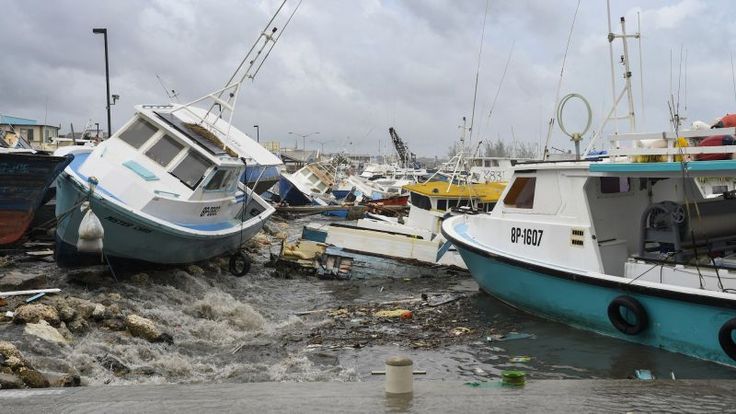
Melissa has already impacted neighbouring islands. In Hispaniola, at least four deaths were reported—three in Haiti and one in the Dominican Republic—due to flooding and strong currents. Hundreds of homes were flooded, and water infrastructure was compromised. AP News+1
In Jamaica, early signs of destruction—such as waves battering the coastline and rising seas—signalled the looming danger. Officials emphasise that the worst has yet to hit. The Washington Post
Infrastructure, economy and vulnerability
Jamaica’s terrain—mountainous and island-wide—adds multiple layers of risk. Heavy rainfall will drain into river basins and gullies, threatening roads, bridges and homes in parishes such as Westmoreland, Saint Elizabeth, Manchester and Clarendon, which lie in the projected path of Melissa’s core. The Washington Post+1
Power, water, and communications systems are expected to be under severe strain. With the storm’s slow crawl, even routine infrastructure can fail under sustained stress, potentially leading to prolonged outages and service disruptions.
Tourism, a major pillar of Jamaica’s economy, faces short- and long-term risks. With the south and western coastal belt in the direct path, resorts, ports and supply chains could incur heavy damage.
Climate change dimension
Climate analysts point out that Hurricane Melissa Jamaica’s explosive intensification is symptomatic of broader trends—warmer seas and deeper heat content are enabling storms to strengthen faster and migrate more slowly, increasing hazard exposure times. Jeff Masters of Yale Climate Connections warned: “We’re living in a warmer world, and that means hurricanes are more likely to intensify quickly, especially near coastlines.” AP News
What residents must do
For those in Jamaica, immediate actions are essential:
- Evacuate low-lying and flood-prone areas as directed by authorities.
- Secure homes: board windows, clear debris, raise valuables off the floor.
- Prepare supplies: at least 72-hour kit of water, food, medications and power banks.
- Avoid travel once gale-force winds commence; wait until official all-clear before returning to affected zones.
- Stay informed via official channels and follow instructions repeated by local emergency services.
What happens next
The worst of Hurricane Melissa Jamaica is expected tonight and into early Tuesday, as the storm’s eye makes its passage. Afterwards, the system will track northeast across southeastern Cuba Tuesday night, the southeast Bahamas Wednesday, and eventually contribute to weather systems in the North Atlantic later in the week. The Washington Post
Final word
Hurricane Melissa Jamaica stands on the brink of making climate and hurricane history. With its combination of Category 5 strength, slow crawl and life-threatening rainfall, this is not just another storm—it’s a potential catastrophe. The preparedness window is shrinking fast. All eyes now are on Jamaica as the island confronts one of the most extreme storms ever to form in the Caribbean.
Source: BBC