Gaza under fire once again as Israeli military operations intensify across the densely populated enclave, leaving hundreds of civilians dead and worsening an already catastrophic humanitarian situation, according to international observers and humanitarian agencies.
The latest escalation has triggered widespread destruction of residential areas, hospitals, and critical infrastructure, as Gaza’s health system struggles to cope with the growing number of casualties.
Gaza Under Fire as Airstrikes Hit Residential Areas
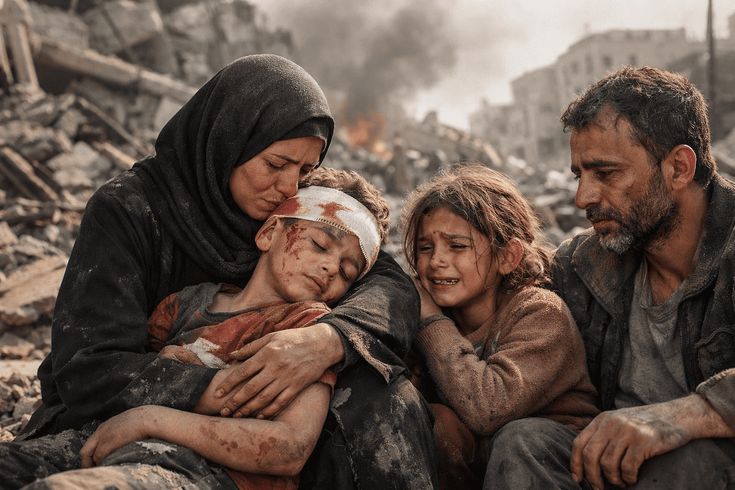
Israeli airstrikes have struck multiple neighborhoods across Gaza, including areas where civilians were sheltering after previous evacuation warnings. Witnesses and medical officials report that entire families were killed when homes collapsed under sustained bombardment.
Hospitals, already operating with limited electricity and medical supplies, have been overwhelmed. Doctors describe performing surgeries without anesthesia and treating wounded patients on floors due to lack of space.
Civilian Death Toll Continues to Rise
According to Gaza’s health authorities, the death toll has climbed into the thousands, with women and children accounting for a significant proportion of those killed. Aid agencies warn that the actual number may be higher, as many victims remain buried under rubble.
The United Nations has repeatedly expressed concern that the scale of civilian casualties may violate international humanitarian law, calling for immediate protection of non-combatants.
Humanitarian Crisis Deepens Across Gaza
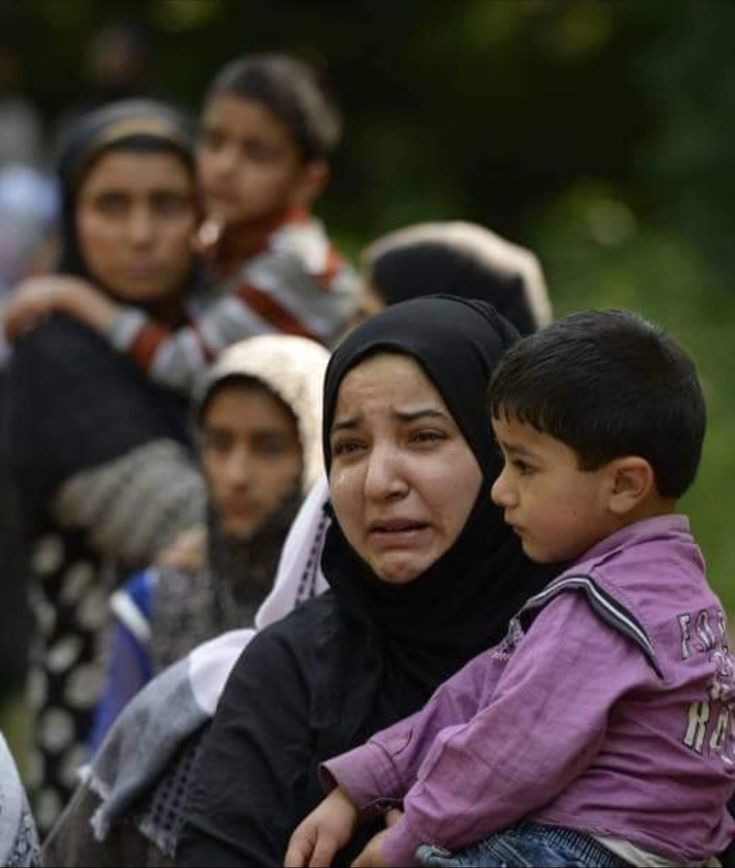
Gaza under fire has also pushed the humanitarian situation to the brink of collapse. Food shortages, lack of clean water, and the spread of disease are compounding the crisis for more than two million residents.
The UN Relief and Works Agency (UNRWA) says shelters are overcrowded, while fuel shortages threaten to shut down hospitals, water desalination plants, and emergency services entirely.
Israel Defends Military Operations
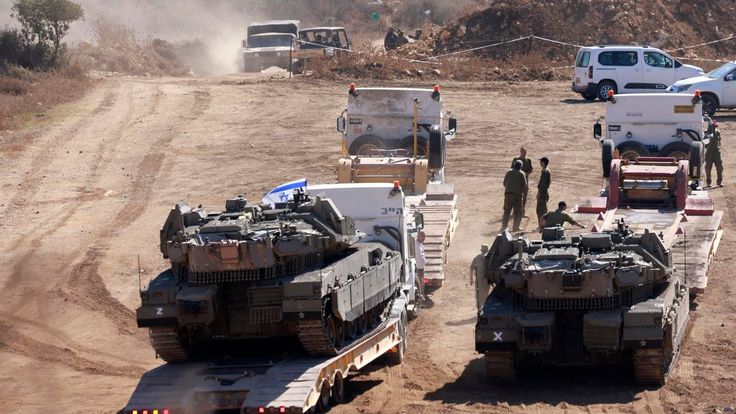
Israeli officials say the military campaign is aimed at dismantling Hamas infrastructure and preventing further attacks on Israeli territory. The Israel Defense Forces (IDF) maintain that efforts are being made to minimize civilian harm, including issuing evacuation notices ahead of strikes.
However, human rights groups argue that evacuation orders are often impossible to follow in a sealed territory with limited safe zones.
International Pressure Mounts for Ceasefire
As Gaza remains under fire, international calls for a ceasefire have grown louder. Several governments and global organizations are urging both sides to halt hostilities and allow unrestricted humanitarian access.
The United States has reiterated Israel’s right to self-defense while also calling for measures to reduce civilian suffering. Meanwhile, protests demanding an end to the violence have erupted in cities around the world.
Regional Tensions Threaten Wider Conflict
The Gaza conflict has heightened fears of a broader regional escalation, with clashes reported along Israel’s northern border and increased activity by armed groups aligned with Iran.
Diplomatic efforts continue behind the scenes, but analysts warn that without a ceasefire, the conflict risks destabilizing the wider Middle East.
Accountability and Calls for Investigation
Human rights organizations are calling for independent investigations into alleged war crimes, stressing that accountability is essential to prevent further civilian harm.
As Gaza remains under fire, the prospects for justice and long-term peace appear increasingly uncertain.
Sources: Al Jazeera, FFRNEWS