
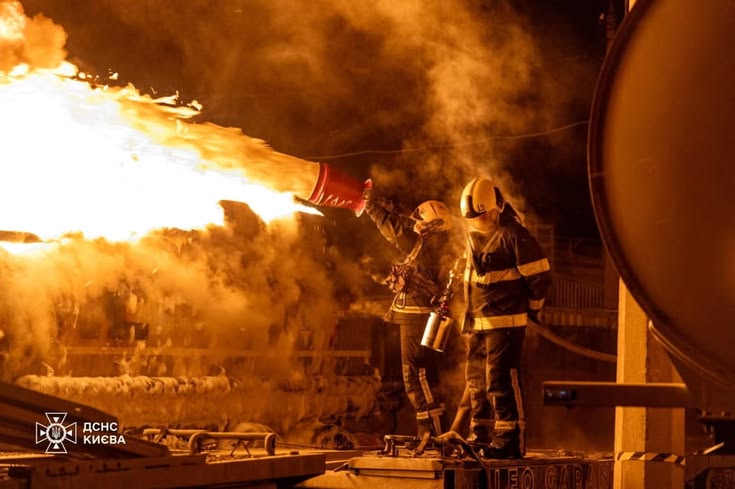
The UN calls on Russia to stop attacks on Ukrainian energy infrastructure as the war in Ukraine continues to intensify with fresh missile and drone strikes targeting power systems across major cities. The latest wave of attacks has once again placed Ukraine’s civilian population under extreme pressure, as heating systems, electricity supplies, and water access become disrupted during harsh winter conditions.
Ukraine’s energy infrastructure has been one of the most heavily targeted systems throughout the conflict. These repeated strikes are not only damaging buildings and power stations but also creating long-term problems for millions of people who depend on stable energy supplies for survival.
The United Nations has now issued strong condemnation, urging Russia to halt attacks on critical civilian infrastructure. Officials have warned that targeting energy grids is worsening the humanitarian crisis and putting vulnerable populations at risk, including children, the elderly, and hospital patients.
The UN’s warning comes as Ukraine reports extensive damage in several regions, raising fears that continued strikes could lead to prolonged blackouts and further displacement.
UN Condemns Renewed Strikes on Ukraine’s Power Network
The United Nations has made it clear that attacks on civilian energy infrastructure violate international humanitarian principles. The organization stressed that civilians should not be deprived of basic needs such as heating and electricity, especially during winter.
The UN’s call reflects growing international concern that Russia’s strategy of damaging Ukraine’s power supply is being used as a weapon to weaken morale and disrupt daily life.
International officials have repeatedly highlighted that energy systems are not simply military targets. They are essential for hospitals, schools, transportation, emergency response services, and water treatment facilities.
When these systems fail, the result is not only inconvenience but life-threatening conditions for large sections of the population.
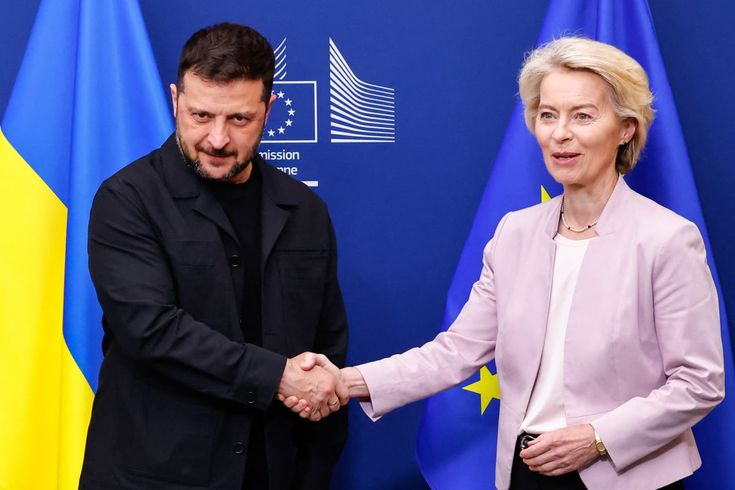
Ukraine Faces Worsening Winter Crisis in Kyiv and Odesa
The latest strikes have reportedly affected cities including Kyiv and Odesa, where residents have experienced power disruptions, damaged infrastructure, and emergency shutdowns of key services.
Kyiv has remained a major target throughout the conflict, and recent attacks have forced authorities to implement emergency repair plans while warning citizens to prepare for possible outages.
Odesa, a major port city, has also been impacted by strikes that disrupted electricity supplies and threatened water systems. With temperatures dropping, even short-term blackouts can create dangerous conditions, especially for apartment buildings dependent on centralized heating.
For many Ukrainians, the energy crisis is now part of daily life, forcing families to rely on generators, emergency shelters, and government-provided heating stations.
Russia’s Energy Targeting Strategy Raises Global Alarm
Since the early years of the war, Russia has repeatedly targeted Ukraine’s power grid, especially during winter months. Analysts believe this is a deliberate strategy designed to pressure Ukraine by causing mass civilian hardship.
By attacking substations, transmission lines, and thermal power plants, Russia can cause wide-ranging disruption without necessarily capturing territory.
This approach has drawn condemnation from European leaders, human rights groups, and international organizations, who argue that energy strikes disproportionately harm civilians.
The UN’s latest statement reinforces these concerns and calls for immediate restraint and compliance with international law.
Humanitarian Consequences for Civilians Continue to Grow
The humanitarian impact of these attacks is severe. Power outages disrupt hospital operations, interrupt communication systems, and make it difficult for emergency responders to function effectively.
Without electricity, families lose access to heating, lighting, and safe drinking water. Many apartment blocks become nearly unlivable when central heating shuts down, forcing residents to relocate temporarily or depend on overcrowded shelters.
Schools and public facilities are also affected, disrupting education and increasing stress on already struggling communities.
The UN has warned that continued damage to infrastructure could trigger another wave of refugees moving toward Europe, especially if winter conditions become unbearable.
This situation has also placed additional strain on neighboring countries that continue to support displaced Ukrainians.
European Nations Push for Stronger Support for Ukraine
The latest UN warning has renewed European political pressure to provide Ukraine with additional support. Several European governments have already supplied energy repair equipment, transformers, and emergency generators to help Ukraine rebuild.
However, experts warn that repairs alone may not be enough if strikes continue at the same pace. Each major attack forces Ukraine to divert resources into rebuilding rather than long-term economic recovery.
European leaders are also discussing further sanctions and policy measures aimed at limiting Russia’s ability to sustain military operations.
At the same time, diplomatic channels remain active, though progress has been slow.

Diplomatic Efforts Continue Amid Escalating Strikes
Despite repeated calls for peace talks, the war remains locked in a prolonged and destructive cycle. International mediators continue to urge both sides to consider ceasefire agreements or at least limit attacks on civilian targets.
The UN’s statement is part of this broader effort to reduce harm and keep diplomatic momentum alive. However, the reality on the ground suggests that neither side is ready for a major breakthrough.
Ukraine continues to demand stronger international security guarantees, while Russia has shown no clear indication that it will stop targeting infrastructure.
Diplomatic efforts have also been complicated by wider geopolitical tensions between Russia and NATO-aligned nations.
Global Condemnation Intensifies Over Civilian Targeting
The UN’s condemnation is likely to add pressure on Russia internationally. Global criticism has been growing, particularly when attacks result in large-scale civilian suffering.
Human rights organizations have also warned that infrastructure attacks may constitute violations of humanitarian law when they result in widespread civilian harm.
The repeated nature of the strikes has increased scrutiny, with many international observers calling for accountability and stronger enforcement mechanisms.
Ukraine has also continued urging allies to supply additional air defense systems to intercept drones and missiles before they strike critical facilities.
What Happens Next for Ukraine’s Energy Infrastructure?
Ukraine’s government has promised to continue rebuilding damaged systems as quickly as possible. Emergency crews remain active across multiple regions, working to restore power lines, repair substations, and stabilize heating networks.
However, officials have warned that repeated strikes make long-term stability difficult. Even if repairs are successful, continued attacks could undo progress within hours.
The longer the energy crisis continues, the more serious the economic damage becomes, affecting businesses, public transportation, and industrial production.
The UN’s call highlights that the issue is not only about war strategy but about civilian survival.
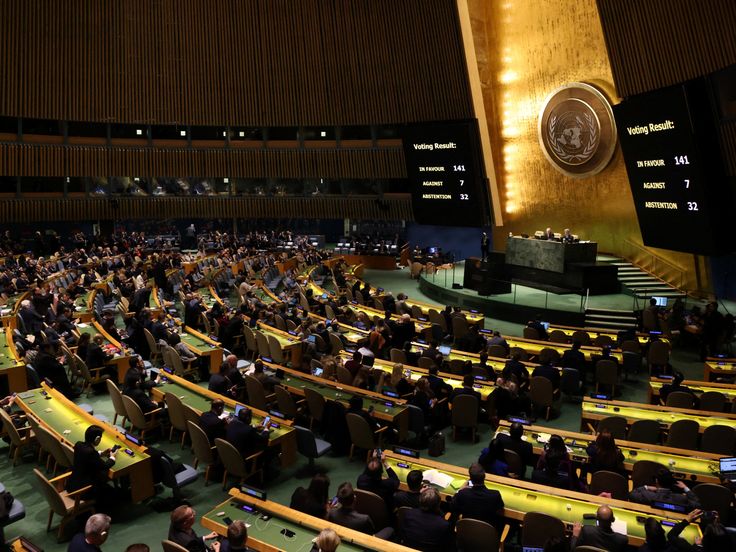
Final Thoughts on the UN’s Call to Russia
The UN calls on Russia to stop attacks on Ukrainian energy infrastructure as the conflict enters another dangerous phase with winter hardships increasing across Ukraine. The renewed strikes on Kyiv, Odesa, and other regions demonstrate how energy systems have become central targets in the war.
With millions of Ukrainians dependent on stable electricity and heating, the destruction of energy infrastructure continues to create severe humanitarian consequences.
The United Nations has now added its voice to growing international condemnation, warning that continued strikes could worsen the crisis and deepen instability across Europe.
As diplomatic talks remain uncertain, the situation in Ukraine continues to demand urgent global attention, stronger humanitarian support, and long-term solutions aimed at protecting civilians from further suffering.
For more international political coverage, visit FFR News Politics for global updates and breaking stories. Further reporting on the UN’s statement and ongoing strikes can be followed through trusted outlets such as The Guardian, AP News, and Al Jazeera for real-time updates and expert analysis.

Need reliable Garage Door Maintenance Near Me? Our expert technicians provide fast inspections, lubrication, adjustments, and preventive repairs to keep your garage door operating safely, smoothly, and efficiently. Schedule your service today.