Overview of Israel Iran War Escalation
The Israel Iran war escalation 2026 has entered a critical and increasingly dangerous phase, with fresh military strikes, economic shocks, and geopolitical tensions reshaping the Middle East and global stability. What began as targeted strikes has now evolved into a broader regional conflict involving multiple countries, militant groups, and global powers.
Recent developments highlight how quickly the situation is deteriorating. Missile exchanges, drone attacks, and strategic strikes are now routine, while key global trade routes and energy supplies face unprecedented disruption. The latest statements from Israeli leadership, combined with attacks on critical oil infrastructure, indicate that the conflict is far from reaching a resolution.
Netanyahu’s Statement on War Progress
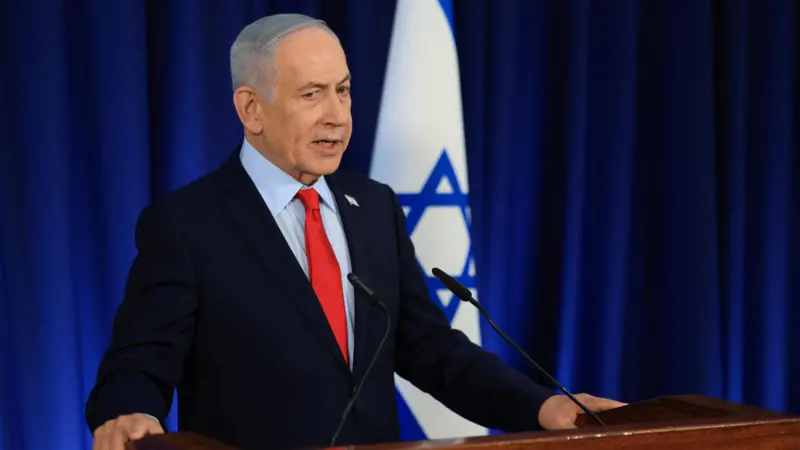
Benjamin Netanyahu has stated that Israel’s military objectives in Iran are “definitely beyond the halfway point,” suggesting significant operational progress. However, he later clarified that this assessment refers to mission achievements rather than the timeline of the war.
This distinction is crucial. While Israel may have achieved a large portion of its strategic goals—such as targeting missile facilities, military infrastructure, and key installations—the duration of the war remains uncertain. Netanyahu has deliberately avoided committing to an end date, reflecting the unpredictable nature of the conflict.
Israeli officials claim that thousands of members of Iran’s Revolutionary Guard have been killed and that major parts of Iran’s weapons production capabilities have been severely degraded. These claims, if accurate, represent a substantial blow to Iran’s military capacity.
However, despite these assertions, Iran continues to launch missile and drone attacks, demonstrating that its offensive capabilities remain intact. This ongoing resistance highlights the resilience of Iran’s military infrastructure and suggests that the war could continue for an extended period.
Tanker Attack in Dubai and Oil Market Fears
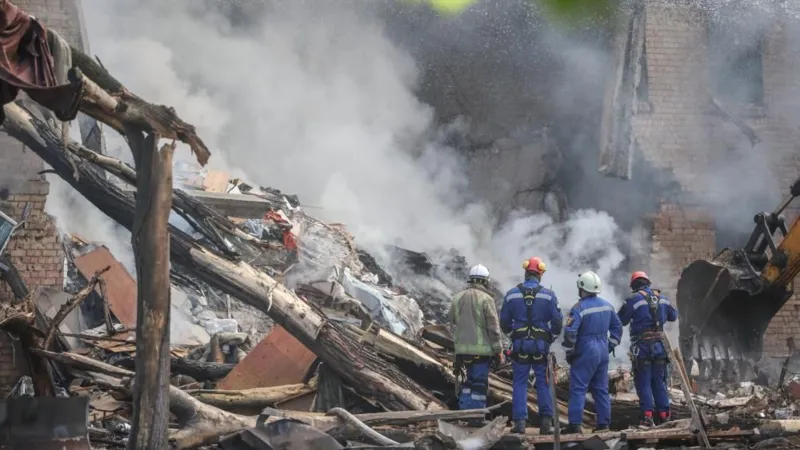
One of the most alarming developments in the Israel Iran war escalation 2026 is the reported drone attack on a Kuwaiti oil tanker in Dubai. The vessel, carrying approximately two million barrels of oil, caught fire after being struck while docked at port.
Authorities confirmed that all crew members were safe and that the fire was eventually brought under control. Importantly, no oil spill was reported, preventing what could have been a severe environmental disaster.
Despite this, the implications are enormous. The attack signals a dangerous expansion of the conflict into critical global trade hubs. Dubai, a major center for shipping and commerce, had largely remained insulated from direct military incidents until now.
Targeting oil infrastructure introduces a new level of risk to global energy markets. Even without physical damage to supply chains, the perception of instability is enough to drive oil prices higher and disrupt international trade.
Expanding Conflict Across the Middle East
The Israel Iran war escalation 2026 is no longer confined to direct exchanges between Israel and Iran. The conflict has spread across the region, involving multiple actors and territories.
Tehran has experienced repeated airstrikes, with reports of explosions and temporary power outages caused by damage to infrastructure. Israeli forces claim to be targeting military assets, but the impact on civilian areas is increasingly visible.
Meanwhile, tensions have escalated in Lebanon, where clashes with Iran-backed groups have resulted in casualties among Israeli soldiers. The involvement of regional militias has turned the conflict into a multi-front war, complicating any efforts at containment.
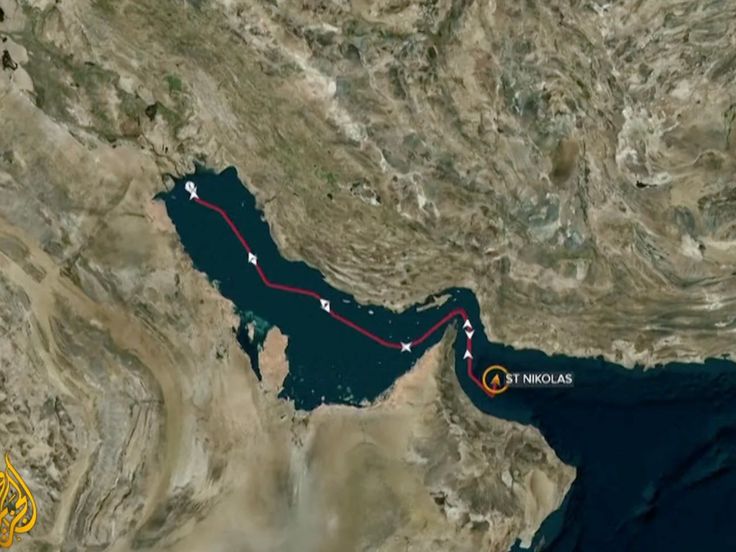
Additionally, strategic waterways such as the Strait of Hormuz have become focal points of geopolitical tension. Iran has reportedly moved forward with plans to impose tolls or restrictions on ships passing through the strait, a move that could have far-reaching consequences for global trade.
Economic Fallout and Rising Energy Prices
The economic consequences of the Israel Iran war escalation 2026 are already being felt worldwide. Oil prices have surged dramatically, with benchmark crude prices climbing above $100 per barrel and continuing to rise.
This spike is driven by both actual supply disruptions and fears of further escalation. The Strait of Hormuz alone accounts for roughly 20% of global oil shipments, making any threat to its stability a major concern for international markets.
Industries dependent on fuel, particularly aviation, are under increasing pressure. Airlines are facing sharply rising operational costs, forcing them to consider fare increases and capacity reductions. This, in turn, could reduce travel demand and impact global tourism.
Beyond energy, the conflict is affecting broader economic indicators. Stock markets have shown signs of volatility, while inflationary pressures are increasing in multiple regions. The longer the conflict continues, the greater the risk of a global economic slowdown or even recession.
US Involvement and Diplomatic Tensions
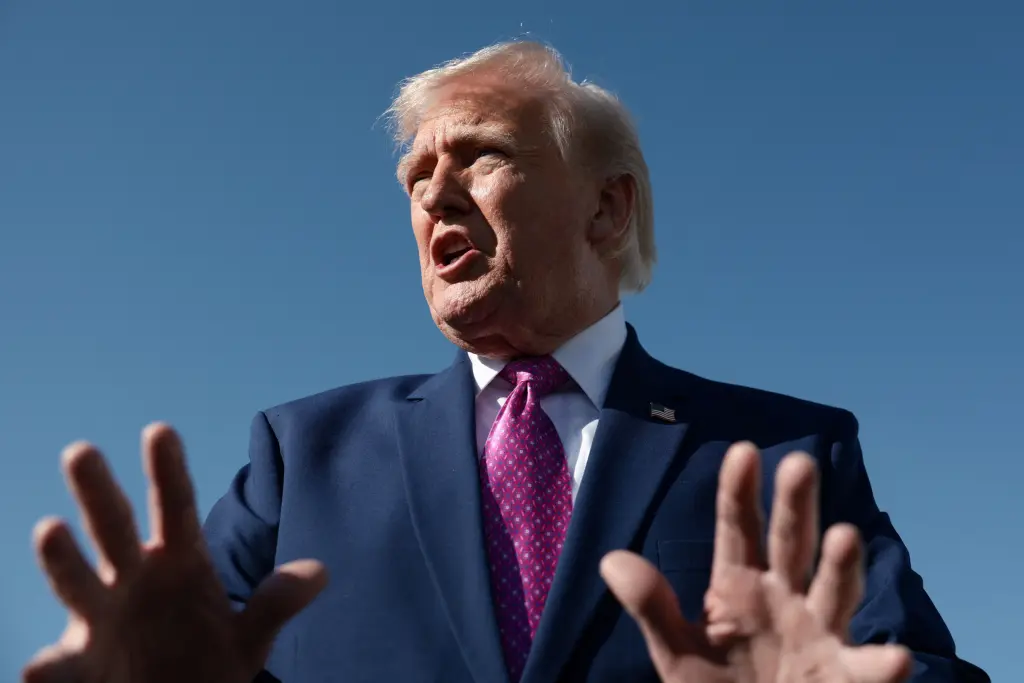
Donald Trump has taken a hardline stance, warning that the United States could escalate military action if a resolution is not reached soon. His statements include threats to target Iran’s critical infrastructure, such as power plants and oil facilities.
At the same time, Trump has indicated that “serious” discussions with Iran may be underway, although Iranian officials have denied any direct negotiations. This contradiction underscores the complexity of the diplomatic landscape.
The United States has also deployed additional troops to the region, increasing the likelihood of direct military involvement. While officials have not confirmed plans for a ground offensive, the possibility remains on the table.
Diplomatic efforts are further complicated by conflicting narratives from both sides. While the US claims progress toward negotiations, Iran maintains that it is focused solely on defending itself against ongoing military aggression.
What Lies Ahead in Israel Iran War Escalation 2026
The future of the Israel Iran war escalation 2026 remains highly uncertain. While Israel claims significant progress in its military objectives, Iran’s continued resistance suggests that the conflict is far from over.
Key risks moving forward include further attacks on energy infrastructure, escalation into additional countries, and increased involvement from global powers. The situation in strategic locations like the Strait of Hormuz will be particularly critical in determining the global impact of the war.
There is also the possibility of a prolonged conflict, with neither side willing to concede. In such a scenario, the economic and humanitarian consequences could be severe, affecting millions of people across the region and beyond.
Ultimately, the path forward will depend on a combination of military developments and diplomatic efforts. Whether through negotiation or continued conflict, the coming weeks will be decisive in shaping the outcome of one of the most significant geopolitical crises in recent history.
This article is based on reporting from Reuters and BBC coverage of the ongoing Middle East conflict. Additional context has been incorporated using global economic and geopolitical analysis. For more international updates, visit the FFRNEWS homepage and explore sections like FFRNEWS World News and FFRNEWS Finance.