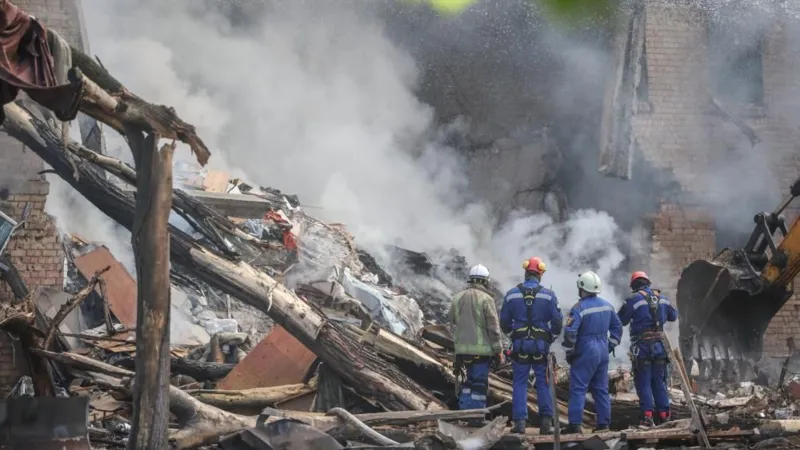
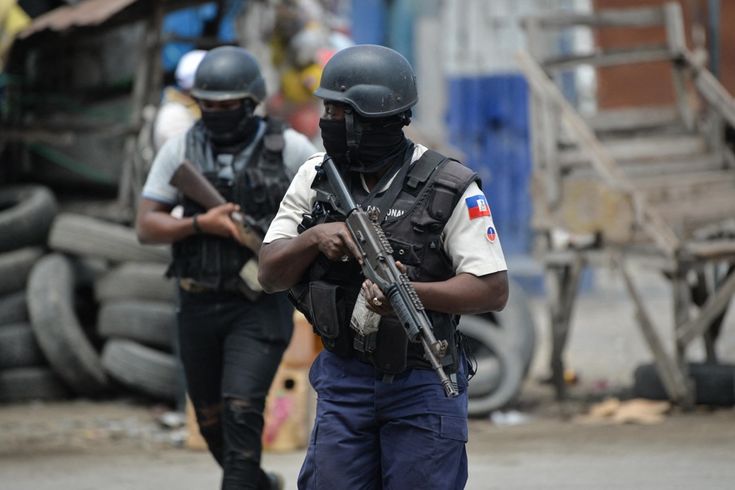
Haiti gang attack deaths have surged dramatically after a brutal assault in the country’s Artibonite region left at least 70 people dead and 30 wounded, according to a human rights group. The scale of the violence far exceeds initial official reports, highlighting the worsening security crisis gripping the Caribbean nation.
The attack, which began in the early hours of Sunday near Petite-Rivière, saw heavily armed gang members storm rural communities, set homes on fire, and terrorize residents. The violence continued into Monday, leaving behind widespread destruction, mass displacement, and growing fear among civilians.
This latest incident underscores the deepening instability in Haiti, where armed gangs have increasingly expanded their influence beyond the capital, Port-au-Prince, into key agricultural regions.
Haiti Gang Attack Deaths Far Exceed Official Estimates
Haiti gang attack deaths reported by the Defenseurs Plus human rights group stand at at least 70 fatalities, a figure significantly higher than initial estimates provided by authorities.
Earlier reports from police and civil protection agencies suggested a much lower death toll of around 16 to 17 people. However, ongoing investigations and eyewitness accounts indicate the situation was far more severe.
The United Nations has acknowledged the uncertainty surrounding the figures, with estimates ranging between 10 and 80 deaths. Officials have called for a thorough and independent investigation to establish the true scale of the massacre.
The discrepancy in numbers reflects the challenges of gathering accurate information in conflict zones where access is limited and security conditions remain volatile.
Armed Gangs Burn Homes and Displace Thousands
The attack targeted rural communities around Jean-Denis, a region known for its agricultural importance. Residents reported that gang members moved from house to house, setting buildings ablaze and forcing families to flee.
According to Defenseurs Plus, approximately 50 homes were destroyed during the assault, leaving entire communities devastated. The violence has displaced an estimated 6,000 people, many of whom are now without shelter or access to basic necessities.
The United Nations had already reported that more than 2,000 people had fled the area in the days leading up to the attack due to escalating gang activity.
This wave of displacement is part of a broader humanitarian crisis in Haiti, where over 1.4 million people have been forced from their homes due to ongoing violence.
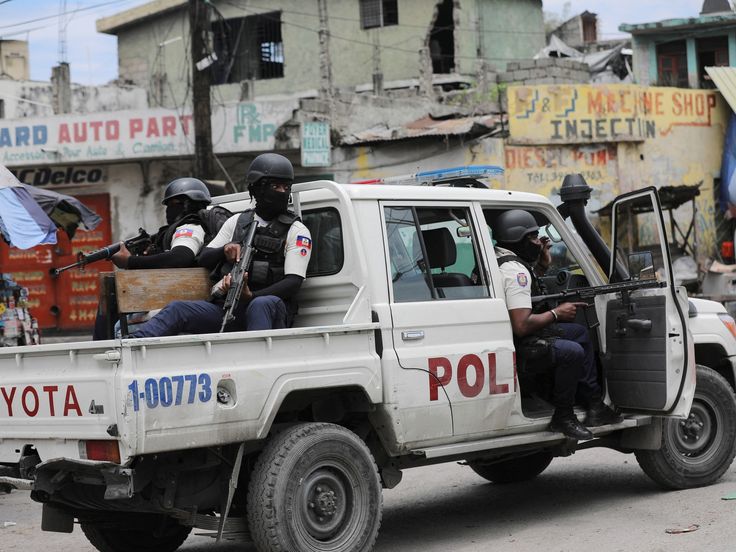
Haiti Gang Attack Deaths Highlight Security Failures
Haiti gang attack deaths have reignited criticism of the government’s ability to maintain security in the country.
Human rights groups have accused authorities of failing to protect civilians and abandoning regions like Artibonite to armed gangs. In a joint statement, Defenseurs Plus and the Collective to Save the Artibonite condemned what they described as a “complete abdication of responsibility” by the state.
Police response to the attack was reportedly delayed, with officers deploying armored vehicles that were slowed by roadblocks created by gang members. By the time security forces reached the area, the attackers had already fled, leaving behind destruction and casualties.
Authorities have since launched operations to track down those responsible, but concerns remain about whether such efforts will be sufficient to prevent future attacks.
Gang Rivalries Fuel Escalating Violence
The attack is believed to be linked to ongoing rivalries between armed groups operating in the region.
An audio message circulating on social media, attributed to the leader of the Gran Grif gang, suggests the violence was carried out in retaliation for previous attacks on the group’s base in Savien by a rival faction.
Gran Grif is one of several powerful gangs operating in Haiti, alongside networks such as Viv Ansanm, which unites hundreds of armed groups in the capital.
These organizations have been designated as terrorist entities by the United States and are accused of committing serious crimes, including mass killings, sexual violence, arson, and trafficking of weapons and drugs.
The cycle of retaliation between rival gangs has intensified the level of violence across the country, making it increasingly difficult for authorities to restore order.
Artibonite Region at Center of Crisis
The Artibonite region, often referred to as Haiti’s “breadbasket,” has become one of the hardest-hit areas in the country’s security crisis.
Traditionally known for its agricultural production, the region has seen a surge in violence as gangs expand their operations beyond urban centers.
Control of this area is strategically important, as it provides access to food supplies and key transportation routes. As a result, clashes between rival groups have become more frequent and more deadly.
The latest massacre is not an isolated incident. In October 2024, a similar attack in the nearby town of Pont-Sondé left more than 100 people dead, further illustrating the persistent threat posed by armed groups.
Humanitarian Crisis Deepens in Haiti
The rising number of Haiti gang attack deaths is contributing to an already severe humanitarian crisis.
According to recent UN reports, nearly 20,000 people have been killed in Haiti since 2021 as violence between gangs, security forces, and vigilante groups has escalated.
The ongoing instability has also worsened economic conditions, disrupted food production, and limited access to essential services such as healthcare and education.
Displaced families are facing dire conditions, often lacking adequate shelter, clean water, and medical care. Aid organizations have warned that the situation could deteriorate further if security conditions do not improve.
International Response and Calls for Action
The international community has expressed growing concern over the situation in Haiti.
The United Nations has called for a comprehensive investigation into the latest attack and urged Haitian authorities to take stronger action to protect civilians.
Meanwhile, the United States has offered financial rewards for information on the activities of major gangs, signaling increased international involvement in efforts to combat organized crime in the region.
Despite these measures, analysts warn that long-term solutions will require significant investment in security, governance, and economic development.
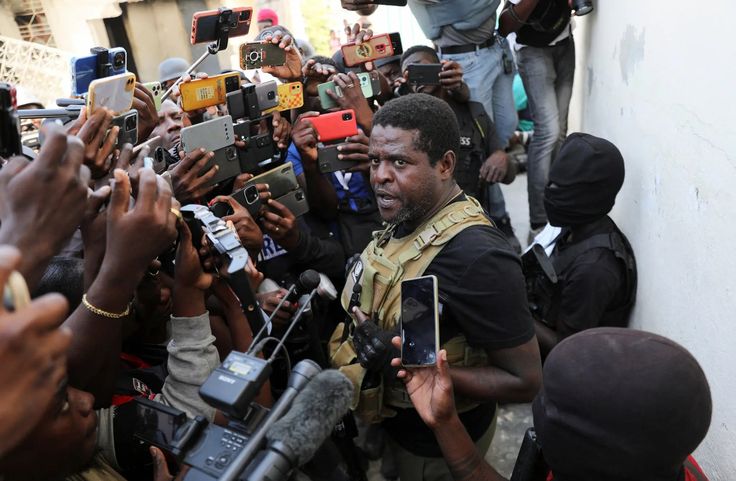
Haiti Gang Attack Deaths Signal Escalating Crisis
Haiti gang attack deaths reaching at least 70 mark one of the deadliest incidents in the country’s recent history, highlighting the urgent need for action to address the ongoing crisis.
The combination of weak state control, powerful armed groups, and deep-rooted socio-economic challenges has created a volatile environment where violence continues to escalate.
As investigations continue and authorities pursue those responsible, the focus remains on preventing further tragedies and restoring stability to a nation struggling under the weight of prolonged conflict.
Read more global crisis coverage in the FFRNews Politics Section. For broader international reporting, visit FFRNEWS. This report is based on verified coverage from Al Jazeera, which detailed the attack, casualty figures, and ongoing crisis in Haiti: