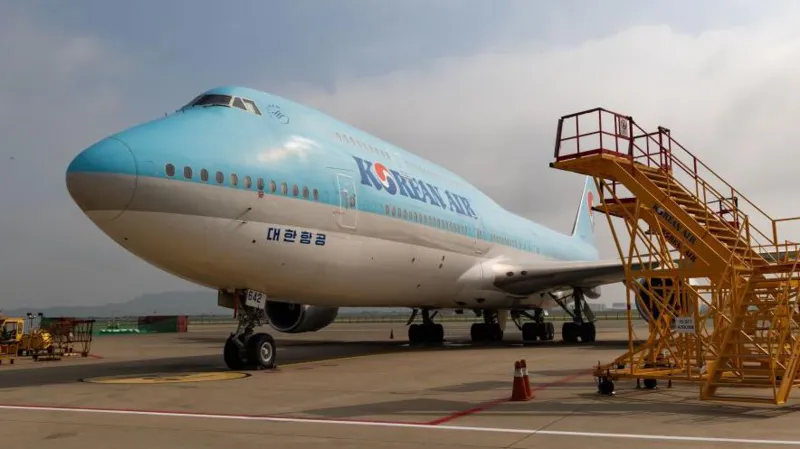
Korean Air fuel prices crisis has intensified as the airline moves into emergency management mode to deal with surging jet fuel costs driven by the ongoing geopolitical conflict involving the United States, Israel, and Iran. The sharp rise in oil prices has sent shockwaves across the global aviation industry, forcing airlines to adopt aggressive cost-cutting strategies and rethink operations.
The South Korean flag carrier announced that it will implement internal cost-reduction measures to maintain financial stability amid growing economic uncertainty. The move highlights the severe pressure airlines are facing as fuel prices skyrocket to levels not seen in recent years.
Since the escalation of the Iran war in late February 2026, Brent crude oil prices have surged by more than 50%, crossing $110 per barrel. This increase has directly impacted aviation fuel, which is one of the largest expenses for airlines worldwide.
Korean Air Fuel Prices Crisis Forces Emergency Management Mode
Korean Air fuel prices crisis has led the airline to formally adopt an “emergency management system,” a step typically reserved for periods of extreme financial stress.
In an internal memo, Vice Chairman Woo Ki-hong informed employees that the company would begin implementing cost-saving measures from April. These actions are designed not only to address the immediate impact of rising fuel costs but also to strengthen the airline’s long-term financial structure.
The measures may include delaying expansion plans, reducing operational expenses, and optimizing flight routes. While Korean Air has not yet confirmed specific route cuts, industry experts suggest that reducing flight frequencies could become necessary if fuel prices remain elevated.
This approach mirrors strategies used during past crises such as the COVID-19 pandemic, when airlines globally were forced to scale back operations to survive.
Jet Fuel Prices Double Amid Global Energy Shock
At the core of the Korean Air fuel prices crisis is the dramatic increase in jet fuel costs.
According to industry data, the average price of jet fuel has nearly doubled, reaching close to $200 per barrel in March 2026 compared to levels seen just a month earlier.
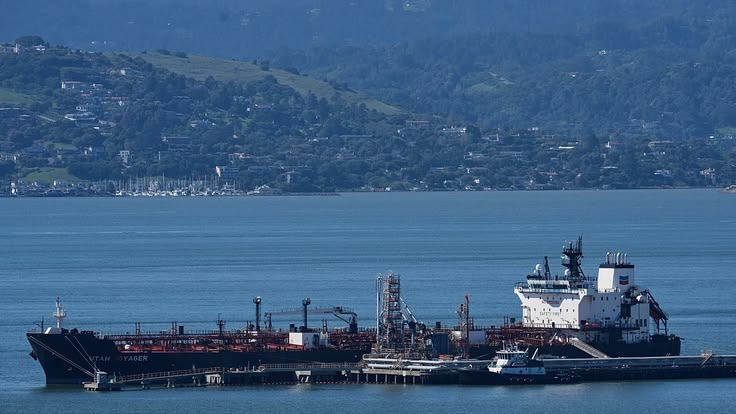
This surge is largely tied to disruptions in global oil supply chains caused by the conflict in the Middle East. The Strait of Hormuz, a critical route for oil shipments, has faced disruptions, tightening supply and pushing prices higher.
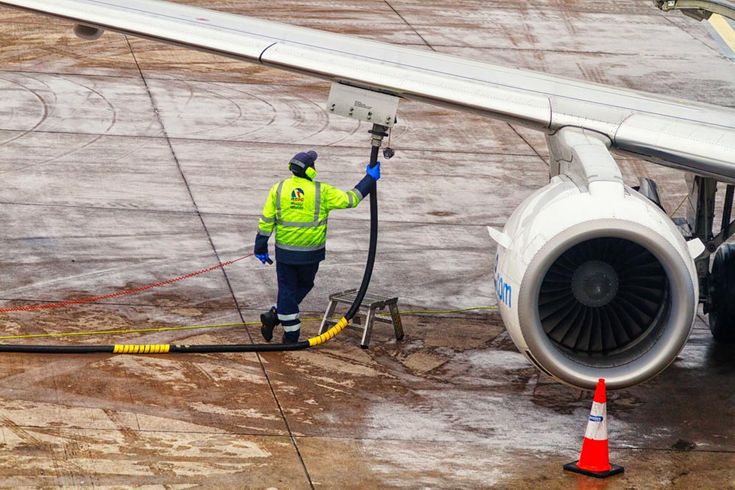
For airlines, fuel typically accounts for around 20% to 30% of operating costs. A sudden doubling of fuel prices can significantly erode profit margins, forcing carriers to either absorb the costs or pass them on to consumers through higher ticket prices.
Asian Airlines Face “Double Shock” Impact
The Korean Air fuel prices crisis is part of a broader trend affecting airlines across Asia.
Industry experts describe the situation as a “double shock,” combining rising global oil prices with regional jet fuel shortages. Countries that rely heavily on imported energy, such as South Korea, are particularly vulnerable to supply disruptions.
Other major South Korean carriers, including Asiana Airlines and Busan Air, have also entered emergency management mode. These measures reflect a coordinated industry response to an unprecedented cost surge.
The crisis is not limited to South Korea. Across Asia, airlines are implementing various strategies to manage rising expenses and maintain operational stability.
Airlines Raise Fares and Fuel Surcharges
As part of their response to the Korean Air fuel prices crisis, many airlines have begun increasing fares and introducing fuel surcharges.
In China, major carriers have already raised fuel surcharges on flights, passing part of the increased cost to passengers. Authorities have also taken steps to control domestic fuel prices by restricting exports from oil refineries.
In Hong Kong, Cathay Pacific has introduced fuel surcharges across its network, resulting in noticeably higher ticket prices.
Similarly, Singapore Airlines and its budget subsidiary Scoot have adjusted fares to reflect rising fuel costs. However, airline officials have noted that these price increases do not fully offset the surge in expenses.
The trend indicates that travelers worldwide may face higher airfares in the coming months as airlines attempt to balance profitability with demand.
Regional Impacts Across India, Japan, and Southeast Asia
The effects of the Korean Air fuel prices crisis are being felt across multiple regions, each facing unique challenges.
In India, airlines have reduced flight schedules due to both rising fuel costs and disruptions to Middle East routes. The government has also lifted fare caps, allowing airlines to increase ticket prices in response to market conditions.
Japan’s aviation sector has experienced a more moderate impact so far, as some airlines had secured fuel prices in advance. However, rising demand for alternative routes—especially to Europe—has led to higher fares.
In Southeast Asia, the situation is even more critical. The Philippines declared a national energy emergency, warning that fuel shortages could lead to grounded flights.
Vietnam has also reported potential fuel shortages, with airlines already suspending certain domestic routes.
These developments illustrate how interconnected the global aviation industry is, with disruptions in one region quickly spreading worldwide.
Smaller Airlines Face Greater Risk
While major airlines like Korean Air have resources to navigate the crisis, smaller carriers face greater challenges.
Budget airlines and regional operators often rely on older, less fuel-efficient aircraft, making them more vulnerable to rising fuel costs. With fewer financial reserves and limited flexibility, these carriers may be forced to cut routes or reduce operations significantly.
Experts warn that prolonged high fuel prices could lead to consolidation within the industry, as weaker airlines struggle to survive.
In contrast, larger airlines have more options, such as reallocating aircraft to more profitable routes or increasing capacity on high-demand international flights.
Long-Term Implications for Global Aviation
The Korean Air fuel prices crisis may have lasting implications for the aviation industry.
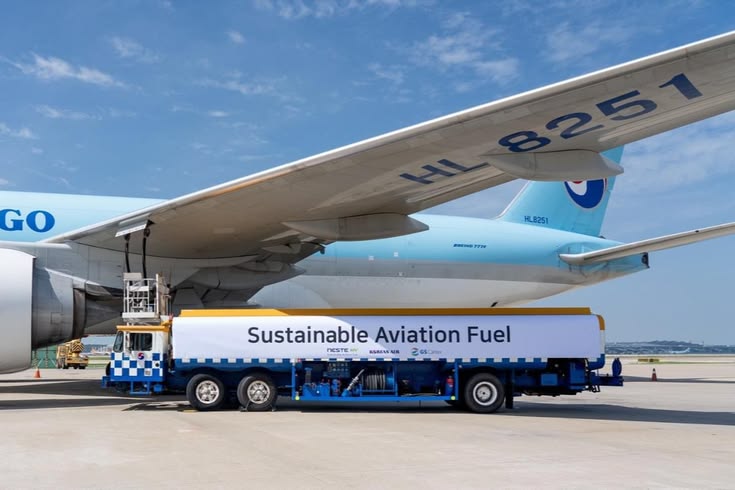
Airlines could accelerate investments in fuel-efficient aircraft and sustainable aviation fuel to reduce dependence on volatile oil markets. However, such transitions require significant capital and time.
Governments may also play a role by adjusting regulations or providing financial support to ensure the stability of national carriers.
In the short term, passengers are likely to bear the brunt of the crisis through higher ticket prices and reduced flight availability.
Conclusion: Crisis Signals Uncertain Future for Airlines
Korean Air fuel prices crisis reflects a broader global challenge facing the aviation industry as geopolitical tensions disrupt energy markets.
With fuel costs soaring and uncertainty surrounding the conflict in the Middle East, airlines are being forced to adapt quickly to survive. Emergency measures, fare increases, and operational adjustments have become necessary tools in navigating this turbulent period.
As the situation evolves, the industry’s ability to manage costs while maintaining service will determine how well airlines weather the crisis.
Read more business and economic updates in the FFRNews Business Section. For broader global coverage, visit FFRNEWS. This report is based on verified reporting by BBC News, which detailed airline responses to rising fuel prices and the global aviation impact: