
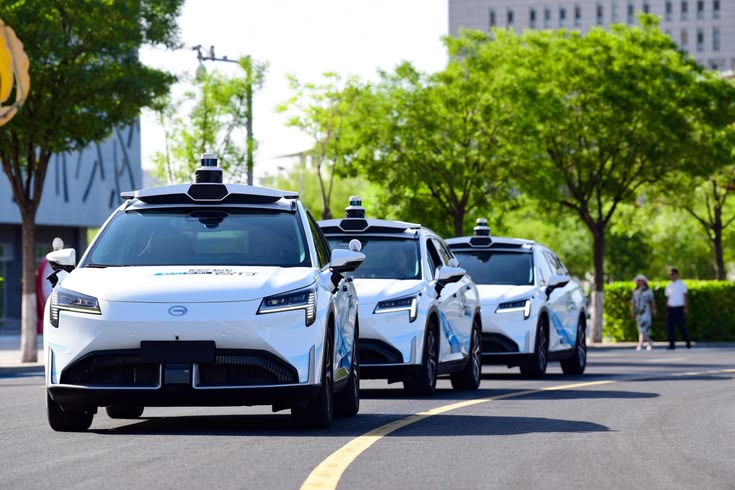
The Software Defined Vehicles Innovation trend is rapidly transforming the global automotive industry. Cars are no longer just mechanical machines—they are evolving into intelligent, software-powered platforms capable of communication, personalization, and real-time updates.
This shift is being driven by advancements in artificial intelligence, connectivity, and digital systems. The latest example comes from Marelli, which unveiled cutting-edge automotive technologies at Auto China 2026.
These innovations show how the future of mobility is moving toward vehicles that can think, respond, and interact with both drivers and their environment.
Smart Lighting at the Core of Software Defined Vehicles Innovation
One of the most groundbreaking aspects of the Software Defined Vehicles Innovation is the transformation of vehicle lighting systems.
Traditionally, car lights were designed only for visibility. However, new technologies revealed by Marelli demonstrate that lighting is becoming a multifunctional digital platform.
At Auto China 2026, Marelli introduced advanced solutions such as:
- Full-width “corner-to-corner” headlamps
- Digital rear lighting surfaces
- High-resolution MicroLED lighting systems
These systems combine design, communication, and safety into a single integrated solution.
This marks a major shift where lighting is no longer passive—it is interactive and intelligent.
Vehicles That Communicate Visually
A key highlight of the Software Defined Vehicles Innovation is the ability of cars to communicate visually with their surroundings.
New digital lighting systems allow vehicles to:
- Display signals and animations
- Communicate driving intentions to pedestrians
- Provide visual feedback to drivers
For example, rear lighting systems can now display dynamic messages or signals using OLED and LED surfaces.
This innovation improves road safety by making vehicle behavior more predictable and understandable to others.
It also opens the door to vehicle-to-everything (V2X) communication, where cars interact with traffic systems, infrastructure, and even other vehicles.
Integration of Touch and Voice Interaction
Another major breakthrough in the Software Defined Vehicles Innovation is the integration of touch and voice controls directly into vehicle hardware.
Marelli’s new headlamp technology allows users to:
- Interact with the car by touching illuminated surfaces
- Use voice commands to activate features
- Control functions like opening the front trunk
These features turn the car exterior into an interactive interface, enhancing both convenience and user experience.
This level of interaction shows how cars are becoming more like smart devices on wheels.
High-Resolution MicroLED Technology Enhancing Safety
Safety remains a core focus of the Software Defined Vehicles Innovation, and this is where MicroLED technology plays a major role.
Marelli’s advanced MicroLED headlamps feature:
- High pixel density (25K–40K configurations)
- Adaptive driving beams
- Road projection capabilities
These systems can adjust lighting dynamically based on road conditions, improving visibility and reducing glare for other drivers.
This innovation not only enhances safety but also allows for greater customization and precision in lighting performance.
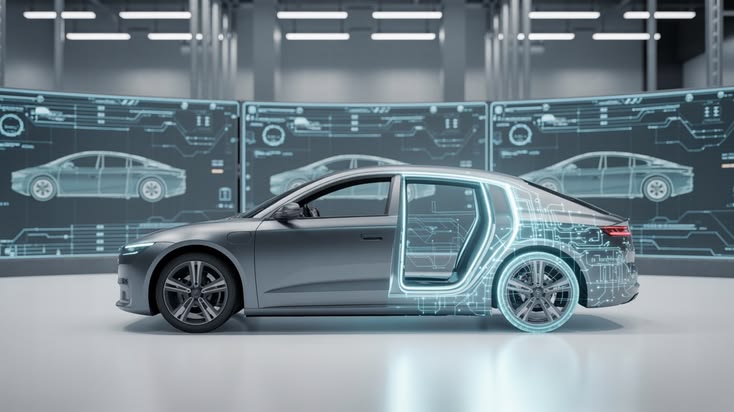
Cars Becoming Software Platforms
Perhaps the most important aspect of the Software Defined Vehicles Innovation is the shift toward software-driven architecture.
Modern vehicles are now being designed as platforms where:
- Features can be updated through software
- New functionalities can be added over time
- Systems are controlled centrally rather than through separate hardware units
This transition reduces complexity and allows manufacturers to innovate faster.
Industry trends show that software-defined architectures are becoming the backbone of future vehicles, enabling everything from autonomous driving to personalized user experiences.
Design, Branding, and Personalization Through Software
Another exciting element of the Software Defined Vehicles Innovation is how it enhances vehicle design and branding.
Lighting systems are now being used to:
- Create unique brand identities
- Offer personalized visual experiences
- Enable customizable animations and displays
This means that cars are no longer just transportation tools—they are becoming expressions of digital identity.
Manufacturers can differentiate their vehicles not just through hardware, but through software-driven design elements.
Why Software Defined Vehicles Innovation Matters
The rise of the Software Defined Vehicles Innovation is significant because it impacts multiple aspects of the automotive industry:
- Safety: Improved visibility and communication reduce accidents
- User Experience: Interactive features make driving more intuitive
- Efficiency: Software updates reduce the need for physical upgrades
- Scalability: Manufacturers can deploy features across multiple models
This transformation is also accelerating the adoption of electric and autonomous vehicles, as software becomes the central control system.
The Future of Smart Cars
Looking ahead, the Software Defined Vehicles Innovation is expected to evolve even further.
Future cars may include:
- Fully autonomous driving systems
- AI-powered assistants integrated into vehicles
- Real-time data communication with smart cities
- Fully customizable interiors and exteriors
As technology continues to advance, the line between cars and digital platforms will continue to blur.
The Software Defined Vehicles Innovation represents a turning point in the automotive industry. With companies like Marelli leading the way, cars are becoming smarter, safer, and more connected than ever before.
From intelligent lighting systems to interactive controls and software-driven architecture, the future of vehicles is no longer just about driving—it’s about experience, communication, and innovation.
As these technologies move from concept to mass production, the world is entering a new era where cars are not just machines, but intelligent systems shaping the future of mobility.
For more innovation news, visit the FFRNEWS innovation section. This article is based on official announcements and reports from Auto China 2026 and automotive industry coverage detailing Marelli’s latest lighting and software-defined vehicle technologies.