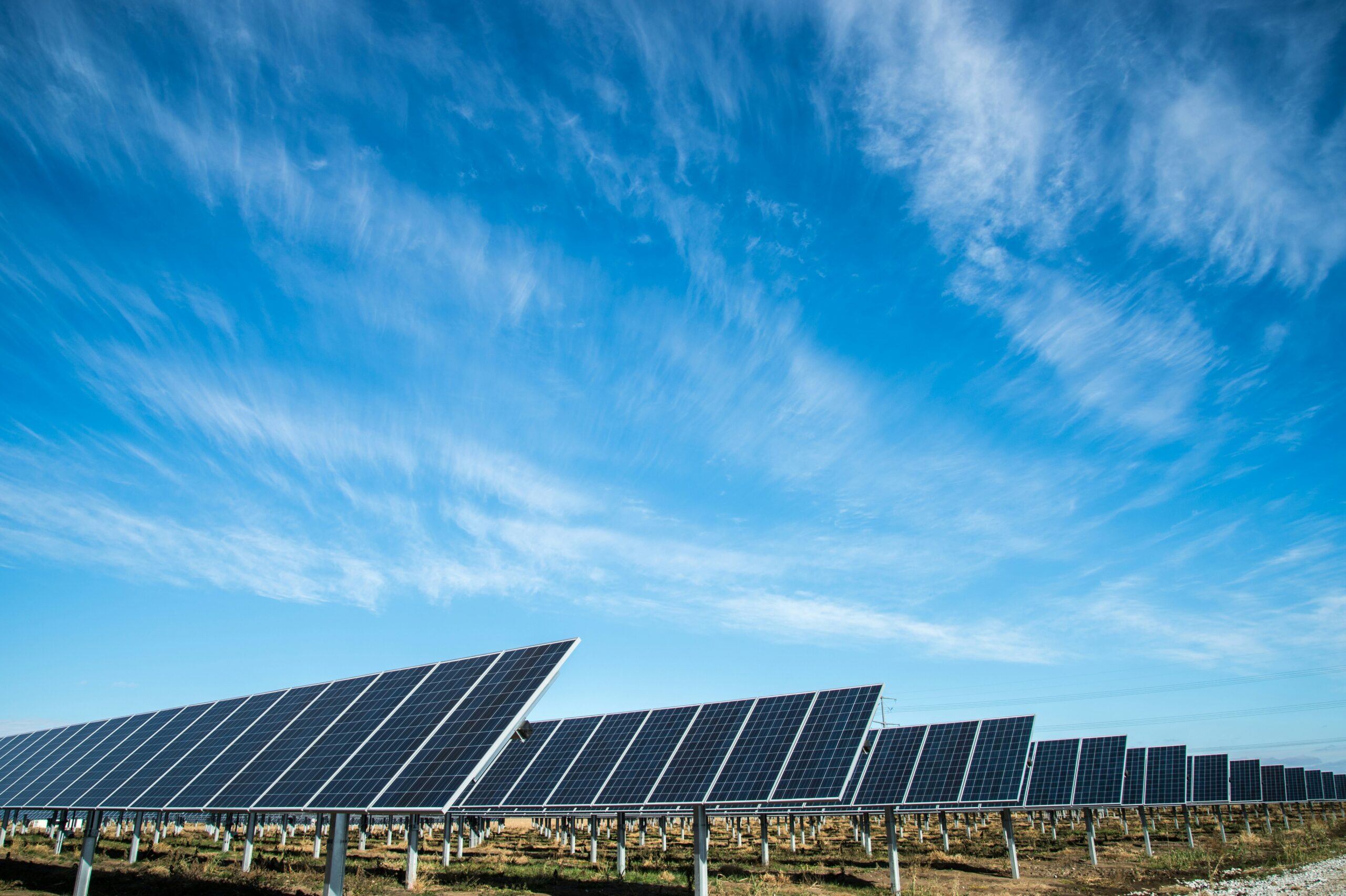
The Renewable Energy Surge Crisis is rapidly becoming one of the most significant global environmental developments of 2026, as ongoing geopolitical tensions—particularly involving Iran—are forcing countries to rethink their energy strategies. Rising oil prices, disrupted supply chains, and growing uncertainty in fossil fuel markets are pushing governments and consumers alike toward cleaner, more sustainable energy sources such as solar and wind power.
What initially began as a geopolitical conflict has now evolved into a turning point for global energy systems. Nations that once relied heavily on oil and gas imports are accelerating their transition toward renewable energy, not just as a climate solution, but as a matter of economic and national security.
Energy Crisis Sparks Global Solar Expansion
Recent reports highlighted in the news show that the conflict has caused a sharp increase in global energy prices, triggering what many experts describe as an unprecedented shift toward renewables.
Countries across Europe, Asia, and beyond are scrambling to secure solar panels and invest in renewable infrastructure. Demand for solar technology has surged significantly, with some regions experiencing record growth in installations and equipment orders.
In Europe, households are rapidly adopting rooftop solar systems to protect themselves from rising electricity bills. This shift is not limited to individuals—governments are also introducing new policies and incentives to accelerate clean energy adoption. In countries like Germany, the Netherlands, and the UK, demand for solar installations has more than doubled since the conflict began.
This surge highlights a key reality: when fossil fuel markets become unstable, renewable energy quickly becomes the most reliable and cost-effective alternative.
Why Renewable Energy Is Gaining Momentum
The Renewable Energy Surge Crisis is driven by several interconnected factors:
- Rising Fuel Prices: Oil and gas prices have soared due to supply disruptions, making traditional energy sources less affordable.
- Energy Security Concerns: Countries are seeking independence from volatile global energy markets.
- Falling Renewable Costs: Solar and wind energy are now more economically viable than ever.
- Technological Advancements: Improvements in battery storage and grid systems are making renewables more reliable.
According to energy experts, this crisis has permanently changed how governments view fossil fuels. The head of the International Energy Agency has even suggested that the global oil crisis may have “irreversibly” altered the energy landscape, pushing nations toward cleaner alternatives.
China and Emerging Markets Lead the Charge
A major driver of this transition is the rapid expansion of renewable energy production, particularly in China. Chinese manufacturers have significantly increased exports of solar panels and battery technologies to meet global demand.
Emerging economies are also playing a crucial role. Countries in Asia, Africa, and South America are investing heavily in renewable infrastructure, aiming to reduce dependence on imported fuels while boosting domestic energy production.
India, for example, is expanding its solar capacity at an unprecedented pace, while nations like Colombia are attracting international investment in green energy projects. This global participation signals that the renewable transition is no longer limited to developed countries—it is a truly worldwide movement.
A Structural Shift, Not a Temporary Trend
One of the most important aspects of the Renewable Energy Surge Crisis is that it is not seen as a temporary response. Experts believe the current surge represents a long-term structural shift in how energy is produced and consumed.
Even before the crisis, renewable energy was growing rapidly. However, geopolitical instability has accelerated this transition dramatically. What might have taken a decade is now happening within a few years.
Importantly, early fears that the energy crisis would lead to a return to coal have not materialized. Instead, data suggests that solar and wind energy are continuing to outperform fossil fuels in terms of growth and adoption.
This indicates a fundamental change in global priorities: sustainability and energy independence are now at the forefront of policy decisions.
Challenges Facing the Renewable Transition
Despite the rapid growth, the transition to renewable energy is not without challenges. Several obstacles remain:
- Infrastructure limitations, including outdated power grids
- Permitting delays for new projects
- Shortages of skilled labor in the renewable sector
- Dependence on supply chains, particularly for solar equipment
These challenges highlight the need for coordinated global efforts to ensure that the transition remains sustainable and efficient.
A Turning Point for Global Climate Action
The current situation represents more than just an energy shift—it is a defining moment for global climate action. The Renewable Energy Surge Crisis demonstrates how environmental progress can be driven not only by policy and activism, but also by economic and geopolitical realities.
As countries continue to invest in clean energy, the long-term impact could be transformative. Reduced reliance on fossil fuels may lead to lower carbon emissions, improved air quality, and greater energy stability worldwide.
At the same time, this transition underscores the importance of preparedness. The ability to adapt quickly to global disruptions is now a critical factor in national resilience.
The Renewable Energy Surge Crisis is reshaping the global energy landscape in real time. What began as a geopolitical conflict has triggered a powerful shift toward solar and renewable energy, marking a new era of energy independence and sustainability.
As nations race to secure cleaner and more reliable energy sources, one thing is clear: the future of energy is no longer just about supply—it is about resilience, innovation, and long-term sustainability.
Read more about global climate and sustainability updates in the FFRNews Environment Section and follow continuing updates from Reuters and The Guardian for in-depth international coverage on renewable energy trends and the global energy crisis.