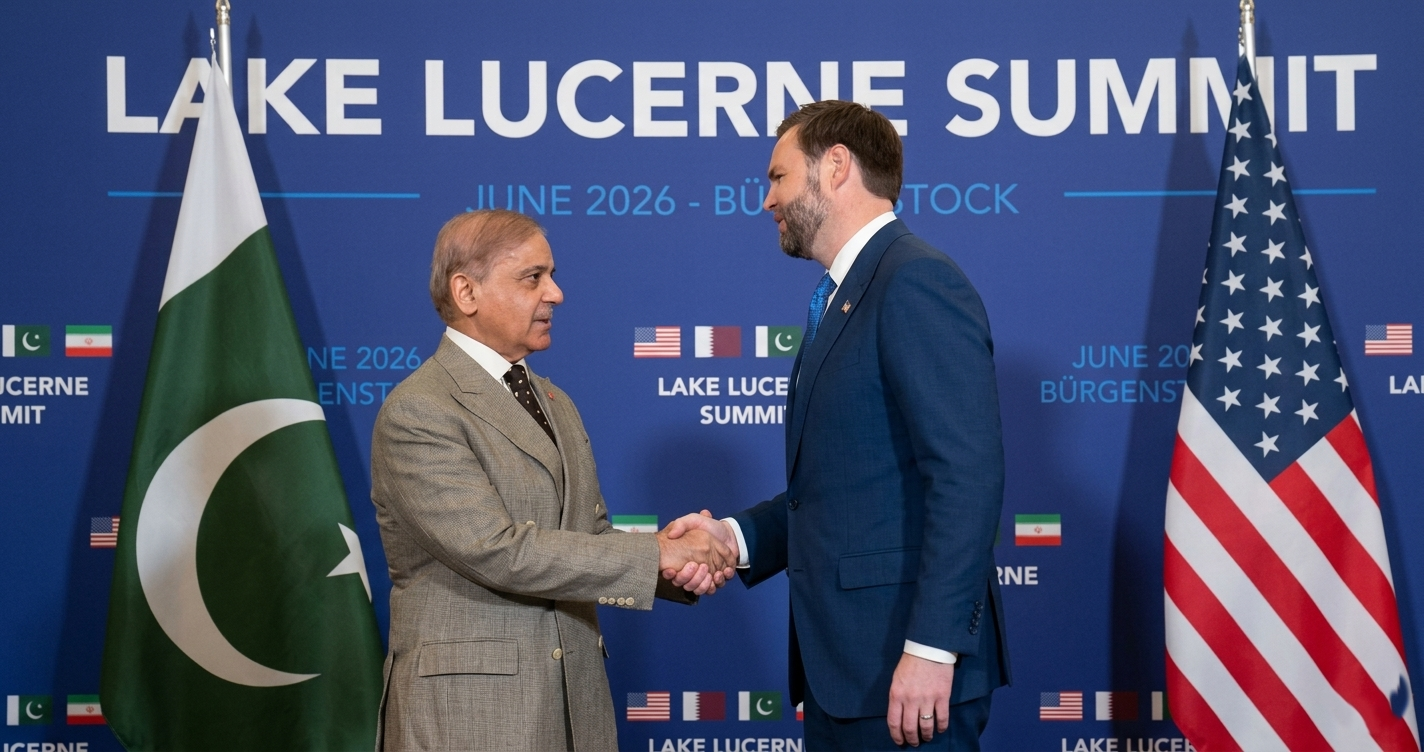
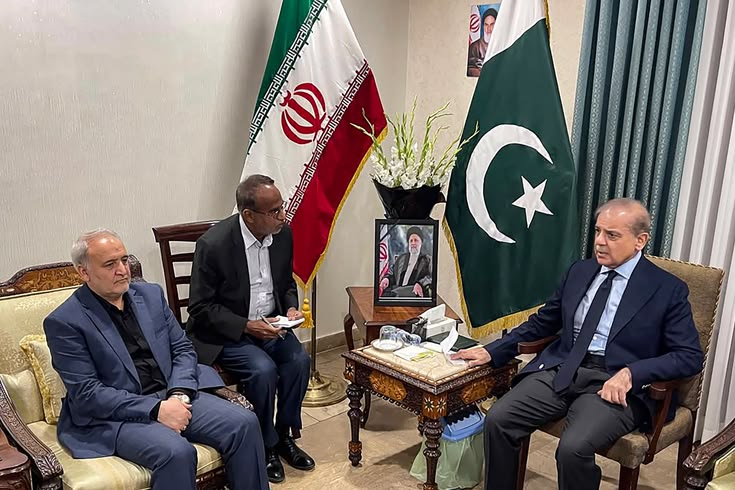
The ongoing Iran Pakistan Talks have become a focal point of global diplomacy as key officials gather in Islamabad amid rising tensions in the Middle East. Iran’s Foreign Minister Abbas Araghchi has arrived in Pakistan as part of a broader regional tour, while the United States has dispatched special envoys to the capital for discussions related to the Iran conflict.
Despite the high-level presence, Iranian officials have clarified that there are currently no plans for direct negotiations between Tehran and Washington. Instead, Pakistan is expected to act as a mediator, conveying messages between the two sides.
Iran Pakistan Talks: US Delegation Arrives with Strategic Intent
The United States has sent senior figures, including special envoy Steve Witkoff and Jared Kushner, to Islamabad to advance diplomatic engagement. Vice-President JD Vance is reportedly on standby, indicating the importance Washington places on these discussions.
US President Donald Trump has suggested that Iran may be preparing an offer, though details remain unclear. The arrival of American negotiators signals continued efforts to find a diplomatic resolution, even as military tensions persist in the region.
Iran Pakistan Talks: No Direct Meeting Raises Doubts
A major development in the Iran Pakistan Talks is Iran’s firm stance that no direct meeting with US officials is scheduled. Iranian authorities have emphasized that Araghchi’s visit is focused on bilateral relations with Pakistan rather than nuclear or war-related negotiations.
This lack of direct engagement creates uncertainty about the effectiveness of the talks. Any communication between Iran and the US is expected to pass through Pakistani intermediaries, reducing the likelihood of immediate breakthroughs.
Iran Pakistan Talks: Regional Conflict Continues in Background
While diplomatic efforts unfold, the situation on the ground remains volatile. Israel and Hezbollah continue to exchange fire despite an extended ceasefire, with both sides accusing each other of violations.
In Iran, partial reopening of airspace and the resumption of some international flights signal limited normalization. However, ongoing restrictions, including a prolonged internet blackout and internal unrest, highlight the broader challenges facing the country.
Iran Pakistan Talks: Pressure Builds for Diplomatic Progress
The Iran Pakistan Talks come at a critical moment as global pressure mounts for a resolution to the conflict. Rising fuel prices, economic disruptions, and geopolitical instability are pushing stakeholders toward negotiations.
However, skepticism remains high. Iranian officials have expressed deep mistrust of US intentions, citing past negotiations that coincided with military actions. Analysts suggest that while talks are continuing, the chances of a major breakthrough remain limited in the short term.
Iran Pakistan Talks: Pakistan’s Role as a Diplomatic Bridge
Pakistan’s role in hosting and facilitating these discussions positions it as a key intermediary in the crisis. By maintaining communication channels between Iran and the United States, Islamabad is attempting to create space for dialogue in an otherwise strained environment.
The success of this approach will depend on whether both sides are willing to compromise and move beyond indirect communication toward more substantive engagement.
This report draws on coverage from BBC News and aligns with analysis published on FFRNEWS under global diplomacy and politics categories. Official statements from Iranian, US, and Pakistani authorities were used, alongside live updates and international reporting to ensure accuracy.