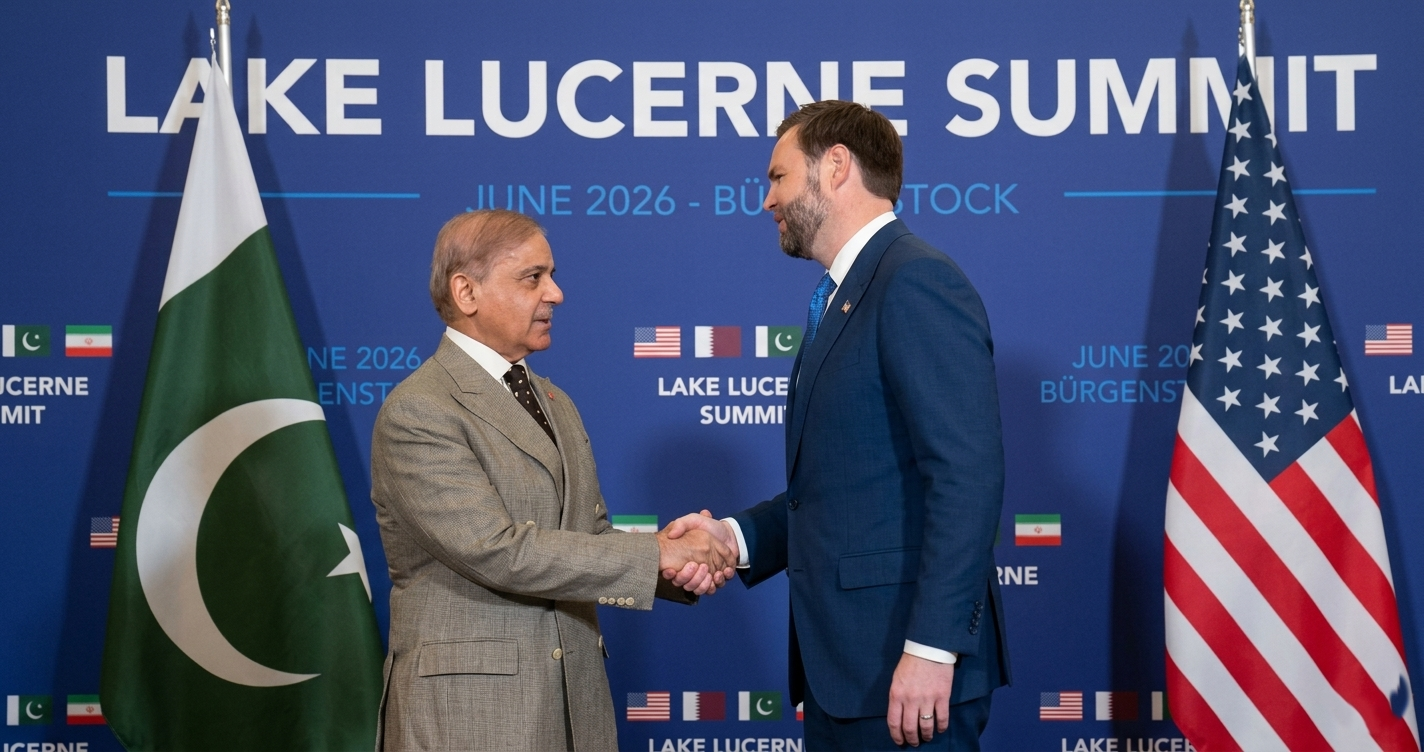
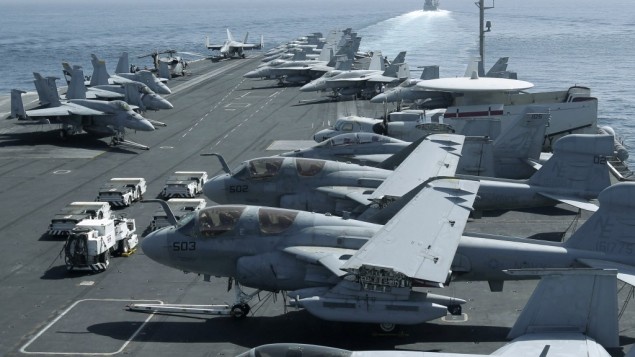
US Israeli attacks Iran legality has become one of the most urgent global legal debates after joint US-Israeli strikes on Iran triggered a widening regional war. Legal scholars, UN experts, and human rights advocates are questioning whether the military action violates the United Nations Charter and constitutes the international crime of aggression.
The strikes, which reportedly targeted military installations and senior leadership figures, have raised concerns not only about regional stability but also about the future of international law. With no UN Security Council authorisation and no confirmed prior armed attack by Iran against the United States or Israel, analysts argue the legal threshold for lawful force may not have been met.
Below is a detailed breakdown of the legal arguments shaping the debate around US Israeli attacks Iran legality.
UN Charter and US Israeli Attacks Iran Legality
At the heart of the controversy lies Article 2(4) of the UN Charter, which prohibits the threat or use of force against the territorial integrity or political independence of any state.
Under international law, there are only two narrow exceptions to this rule:
- Self-defence against an armed attack (Article 51)
- Authorisation by the UN Security Council
According to legal experts cited by Al Jazeera, neither condition appears to have been clearly satisfied in the case of the US-Israeli strikes.
No resolution was passed by the UN Security Council authorising force. Additionally, Iran had not launched a direct armed attack on US or Israeli territory immediately prior to the strikes, raising doubts about claims of lawful self-defence.
If these conditions were absent, experts argue that US Israeli attacks Iran legality may fall under the category of unlawful aggression.
Was There an Imminent Threat?
The Trump administration has argued that Iran posed an “imminent threat,” citing concerns over missile capabilities and nuclear ambitions.
However, international law defines imminence very narrowly. It must be:
- Instant
- Overwhelming
- Leaving no alternative means
- Leaving no moment for deliberation
Legal scholars question whether Iran’s capabilities — even if concerning — met this strict threshold. If the attack was preventive rather than responsive to an imminent armed strike, it would likely be considered unlawful.
The distinction between pre-emptive and preventive war is critical. Pre-emptive self-defence against an immediate attack may be lawful. Preventive war against a future hypothetical threat is not.
This distinction is central to the debate over US Israeli attacks Iran legality.
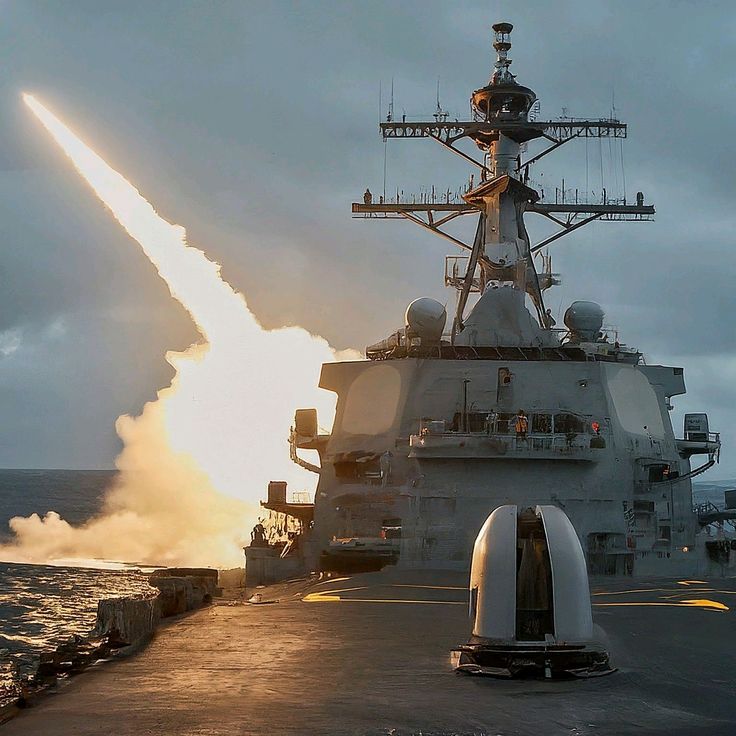
Crime of Aggression Concerns
Some analysts argue that the strikes may amount to the international crime of aggression.
Under international law, aggression refers to the use of armed force by one state against the sovereignty, territorial integrity, or political independence of another state without legal justification.
Legal experts interviewed by International Crisis Group have described the justifications presented as inconsistent and insufficient to meet international standards.
If proven unlawful, such action could undermine the global legal order established after World War II.
International Humanitarian Law Violations
Beyond the legality of initiating force, there are separate legal standards governing how war is conducted.
International humanitarian law requires:
- Distinction between civilians and combatants
- Proportionality in attacks
- Precautions to minimise civilian harm
Reports of civilian casualties, including alleged strikes on schools and civilian infrastructure, raise additional legal concerns.
Human rights advocates warn that violations of these rules could amount to war crimes if civilian targets were intentionally or recklessly attacked.
US Israeli Attacks Iran Legality and Regional Escalation
The consequences of the strikes extend beyond legal theory.
Iran has responded with missile and drone attacks targeting military installations and reportedly civilian infrastructure. Once hostilities begin, all parties are bound by the laws of armed conflict.
Experts argue that even if one party initiates force unlawfully, the opposing side must still comply with humanitarian law.
Domestic Legal Questions in the United States
In addition to international law concerns, domestic legal issues have surfaced.
The US Constitution grants Congress the authority to declare war. Critics argue that bypassing congressional approval raises constitutional questions, especially for sustained military operations.
While presidents have historically exercised broad war powers, prolonged engagement without legislative authorisation remains controversial.
This domestic dimension further complicates the broader discussion around US Israeli attacks Iran legality.
Fragility of the International Legal Order
The prohibition on the use of force is one of the cornerstones of modern international law.
Legal scholars warn that repeated violations — or perceived violations — weaken the system’s credibility. If powerful states act without accountability, it may encourage similar behaviour by others.
The erosion of legal norms has already been highlighted in conflicts involving Ukraine and Gaza. The Iran strikes may represent another chapter in what experts describe as a worrying trend.
Whether through diplomatic pressure, UN debates, or international court proceedings, the outcome of this controversy could shape the future enforcement of international law.
What Happens Next?
Several scenarios are possible:
- Emergency sessions at the UN General Assembly
- Investigations by international legal bodies
- Regional escalation involving additional states
- Diplomatic negotiations to prevent broader war
Ultimately, US Israeli attacks Iran legality will likely remain contested. The absence of clear UN authorisation and disputed claims of imminent threat leave substantial legal uncertainty.
As the situation evolves, legal scrutiny will intensify, and the global community will be forced to confront difficult questions about accountability, sovereignty, and the future of international norms.
This report is part of ongoing FFRNEWS coverage on global conflict and legal developments. Readers can follow broader geopolitical analysis in our
Details and expert commentary referenced in this article were originally reported by Al Jazeera. Full source: