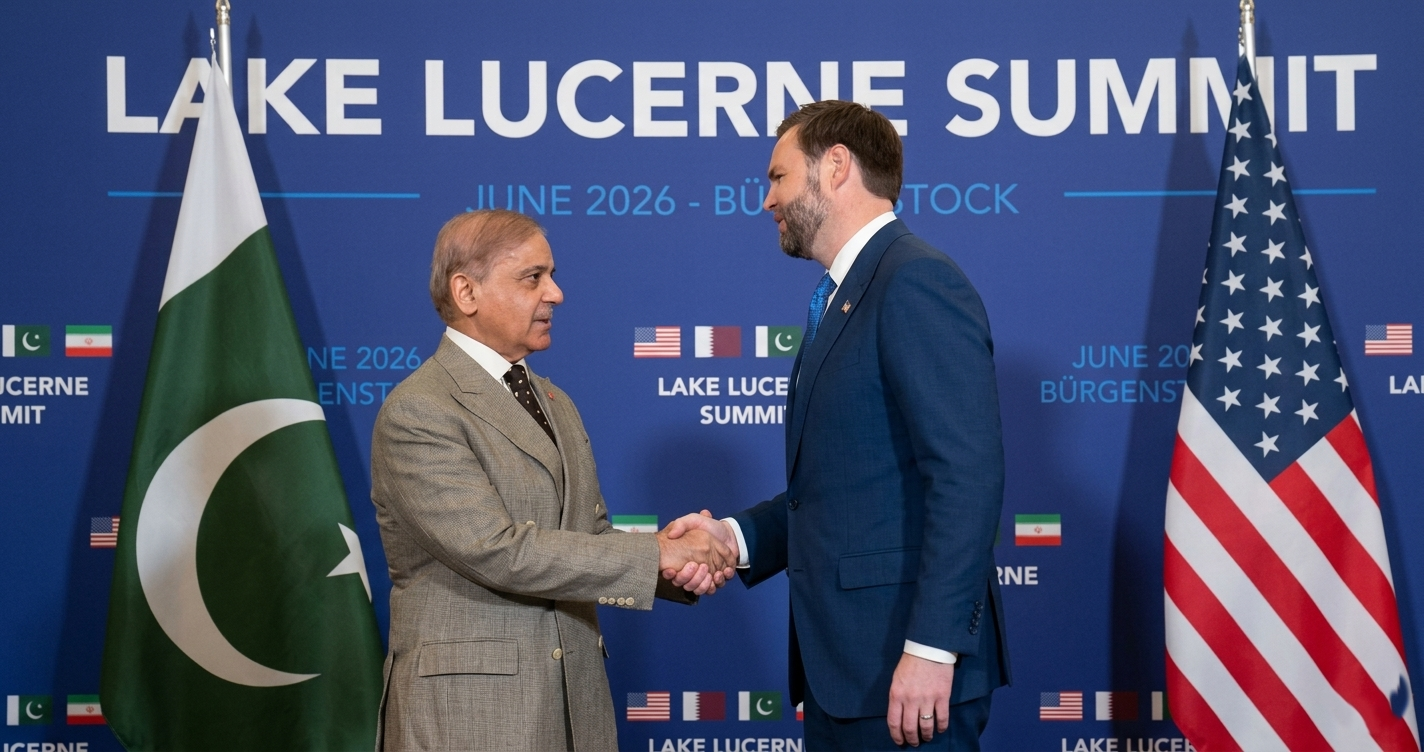

Iran shipping threat blockade has become the latest flashpoint in an already volatile Middle East conflict, as tensions between the United States, Israel, and Iran escalate despite a fragile ceasefire. The situation has intensified after Tehran warned it could shut down major global shipping routes if the US naval blockade continues, raising serious concerns about global trade, oil prices, and regional stability.
The development comes at a critical time when diplomatic efforts are ongoing, including potential negotiations in Pakistan, yet military actions and threats continue to undermine trust between the involved parties.
Iran Warns of Expanding Conflict Across Key Waterways
Iranian military officials have issued a stark warning: if the United States continues its naval blockade, Tehran may block shipping not only in the Strait of Hormuz but also in the Gulf of Oman and the Red Sea.
These waterways are among the most critical global trade routes. The Strait of Hormuz alone handles nearly 20% of the world’s oil supply, making any disruption a direct threat to the global economy.
The warning signals a potential escalation from a regional conflict to a global economic crisis. Iran’s strategy appears to leverage its geographic advantage, using control over maritime chokepoints as a powerful bargaining tool.
US Naval Blockade Tightens Pressure on Iran
The United States recently imposed a naval blockade on Iranian ports, aiming to restrict Tehran’s ability to export oil and maintain economic stability. Early reports indicate that multiple vessels were forced to turn back, suggesting the blockade is already impacting maritime activity.
However, conflicting data has emerged. While US officials claim full enforcement, tracking systems show that some ships have still managed to pass through key routes, highlighting the complexity of enforcing such a large-scale operation.
This inconsistency reflects the broader challenge of controlling international waters, especially in a region where multiple global powers have strategic interests.
Fragile Ceasefire Under Growing Strain
The Iran shipping threat blockade also puts the recently agreed two-week ceasefire under immense pressure. While the ceasefire was intended to halt hostilities and open the door for negotiations, violations and conflicting interpretations have weakened its credibility.
Iran has suggested that the blockade itself could be considered a violation of the ceasefire terms. Meanwhile, ongoing clashes between Israeli forces and Hezbollah in Lebanon further complicate the situation.
The ceasefire, rather than stabilizing the region, appears to be functioning as a temporary pause in a broader and unresolved conflict.
Global Economic Impact Begins to Surface
The economic consequences of the Iran shipping threat blockade are already becoming visible. Oil prices have shown volatility, and shipping activity through key routes has dropped significantly.
Before the conflict, over 100 vessels passed daily through the Strait of Hormuz. Recent data suggests only a fraction of that number is currently making the journey, reflecting growing fears among shipping companies and insurers.
Higher transportation costs, increased insurance premiums, and delays in cargo shipments are likely to ripple across global markets. Consumers may soon feel the impact through rising fuel prices and higher costs for everyday goods.
Diplomatic Efforts Continue Amid Uncertainty
Despite the rising tensions, diplomatic channels remain open. The United States has indicated that talks with Iran could resume soon, possibly in Pakistan, which is playing a key mediating role.
However, uncertainty surrounds these negotiations. Iran has not confirmed its participation, and previous talks have failed to produce concrete outcomes.
The challenge for diplomats is immense: they must balance military realities with political expectations while addressing the deep mistrust between the parties involved.
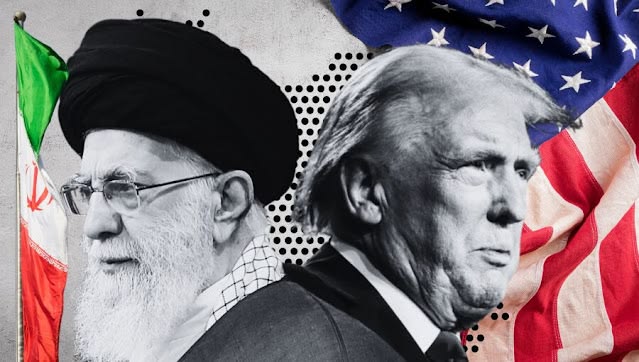
Role of Global Powers in the Crisis
The Iran shipping threat blockade has also drawn reactions from other major global players. China has criticized the US blockade as “dangerous and irresponsible,” emphasizing the risk it poses to global trade.
Russia, while less vocal publicly, remains a key strategic partner for Iran and could influence the conflict’s trajectory. Meanwhile, Gulf nations such as Saudi Arabia are closely monitoring the situation, given their reliance on stable oil exports.
Pakistan’s role as a mediator highlights its growing importance in regional diplomacy, especially as it hosts potential negotiations between the US and Iran.
What Could Happen Next?
The coming days will be critical in determining whether the Iran shipping threat blockade leads to further escalation or a breakthrough in diplomacy.
If the blockade continues and Iran follows through on its threats, global shipping could face unprecedented disruption. This could trigger a sharp rise in oil prices and potentially push the global economy toward instability.
On the other hand, successful negotiations could ease tensions and restore confidence in international trade routes. However, given the current level of mistrust and ongoing military actions, a quick resolution appears unlikely.
A Defining Moment for Global Stability
The Iran shipping threat blockade represents more than just a regional conflict—it is a test of global stability in an interconnected world. The outcome will not only shape the future of the Middle East but also influence global economic and political dynamics.
As the ceasefire period continues, the world watches closely. Whether this crisis escalates into a broader conflict or transitions into meaningful diplomacy will depend on the decisions made in the coming days.
The stakes could not be higher.
Read more about global conflicts and geopolitical developments in the FFRNews Politics Section and follow continuing updates from BBC and Reuters for comprehensive international coverage of the Iran shipping threat blockade crisis.