A significant diplomatic development has emerged in the Middle East as a 10-day ceasefire agreement between Israel and Lebanon officially came into effect on April 16, 2026. Announced by Donald Trump, the truce marks a temporary halt in weeks of escalating violence that has devastated parts of southern Lebanon and raised fears of a broader regional war.
The ceasefire began at 17:00 EST (21:00 GMT) and is being described as a “gesture of goodwill” aimed at creating space for further negotiations. While the agreement has been welcomed internationally, analysts caution that it remains fragile and uncertain.
What the Ceasefire Agreement Includes
The current deal is designed as a short-term measure, lasting 10 days, with the possibility of extension if progress is made in negotiations.
Key provisions include:
- Israel retains the right to act in self-defence against imminent threats
- Lebanon is expected to take active steps to prevent attacks from armed groups
- Lebanese state forces are recognised as the sole authority responsible for security
- The United States will continue to mediate discussions between both sides
The agreement highlights the importance of diplomacy but also reflects deep mistrust, as both sides have retained strategic flexibility during the truce.
Role of Hezbollah in the Ceasefire
One of the most complex aspects of the ceasefire is the role of Hezbollah, the Iran-backed militant group that has been central to the conflict.
Notably, Hezbollah was not directly mentioned in the initial ceasefire announcement, raising questions about its involvement. However, in subsequent statements, the group signaled conditional support, emphasizing that:
- All Israeli attacks must stop completely
- Israeli military presence should not expand
- Any truce must apply across all Lebanese territory
Although Hezbollah operates within Lebanon, it is not part of the official government, which complicates enforcement of the ceasefire terms.
Reactions from Global Leaders and Stakeholders
The ceasefire has received widespread international attention, with leaders across the world responding cautiously but positively.
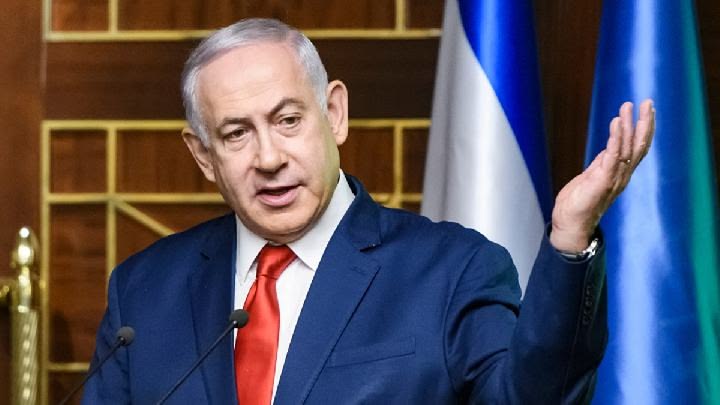
- Benjamin Netanyahu described it as an opportunity for a “historic peace agreement”
- Joseph Aoun welcomed the move as a step toward stability
- Nawaf Salam expressed hope for the return of displaced civilians
International organizations also weighed in:
- António Guterres urged all sides to respect international law
- Ursula von der Leyen called the deal a “relief” for the region
Meanwhile, Iran’s foreign ministry voiced support for Lebanon, reflecting the broader geopolitical dynamics tied to the conflict.
Why Israeli Troops Remain in Southern Lebanon
Despite the ceasefire, Israel has made it clear that its military presence in southern Lebanon will continue.
Benjamin Netanyahu stated that Israeli forces would remain stationed approximately 10 km inside Lebanese territory, describing it as a necessary “security zone.”
This decision has sparked controversy:
- Lebanon views it as a potential occupation
- European nations and the United Nations have expressed concern
- It raises doubts about the long-term viability of the ceasefire
Reports indicate that more than 1,400 buildings have been destroyed in southern Lebanon, highlighting the scale of damage and reinforcing fears among civilians about prolonged instability.
Humanitarian Impact of the Conflict
The conflict has already caused severe humanitarian consequences:
- Over 1.2 million people displaced across Lebanon
- Thousands killed or injured since early March
- Extensive damage to homes, infrastructure, and medical facilities
Healthcare systems have also been affected, with attacks reported on ambulances and hospitals. These conditions have intensified calls for a longer-term ceasefire and humanitarian assistance.
For many civilians, the current truce represents not just a political pause—but a desperate opportunity to rebuild and return home.
How the Ceasefire Was Negotiated
The agreement was the result of rare direct talks between Israel and Lebanon, facilitated by the United States in Washington.
According to reports:
- Discussions took place amid escalating violence
- The US played a central role in brokering the deal
- There was limited clarity on Hezbollah’s direct involvement
Interestingly, the ceasefire announcement reportedly came as a surprise even within Israeli leadership circles, suggesting the negotiations were conducted under significant urgency and pressure.
Connection to the Broader Iran Conflict
The Israel-Lebanon ceasefire cannot be viewed in isolation. It is closely tied to the wider regional conflict involving Iran.
The escalation began after:
- Strikes by the US and Israel on Iran
- Retaliatory actions by Iran and its regional allies
- Increased activity by proxy groups like Hezbollah
This interconnected conflict has:
- Raised tensions across the Middle East
- Disrupted regional stability
- Increased fears of a wider war
While the ceasefire offers temporary relief, the underlying geopolitical tensions remain unresolved.
Challenges to a Lasting Peace Agreement
Despite optimism, several key challenges could undermine the ceasefire:
- Lack of direct inclusion of Hezbollah in negotiations
- Continued Israeli military presence in Lebanon
- Deep-rooted mistrust between both sides
- Ongoing regional tensions involving Iran
Previous ceasefire agreements have failed to hold, often collapsing into renewed violence. Experts warn that without addressing these core issues, the current truce may face a similar fate.
What Happens Next in the Region
The next few days will be critical in determining whether the ceasefire can be extended or lead to a more permanent resolution.
Future steps may include:
- Continued US-led negotiations
- Potential diplomatic meetings at the White House
- Increased international pressure for long-term peace
The situation remains highly dynamic, and any escalation could quickly undo progress made so far.
For more global conflict and geopolitical updates, visit the official FFRNEWS homepage and world news sections. External reporting is based on the latest updates from international coverage including BBC News.