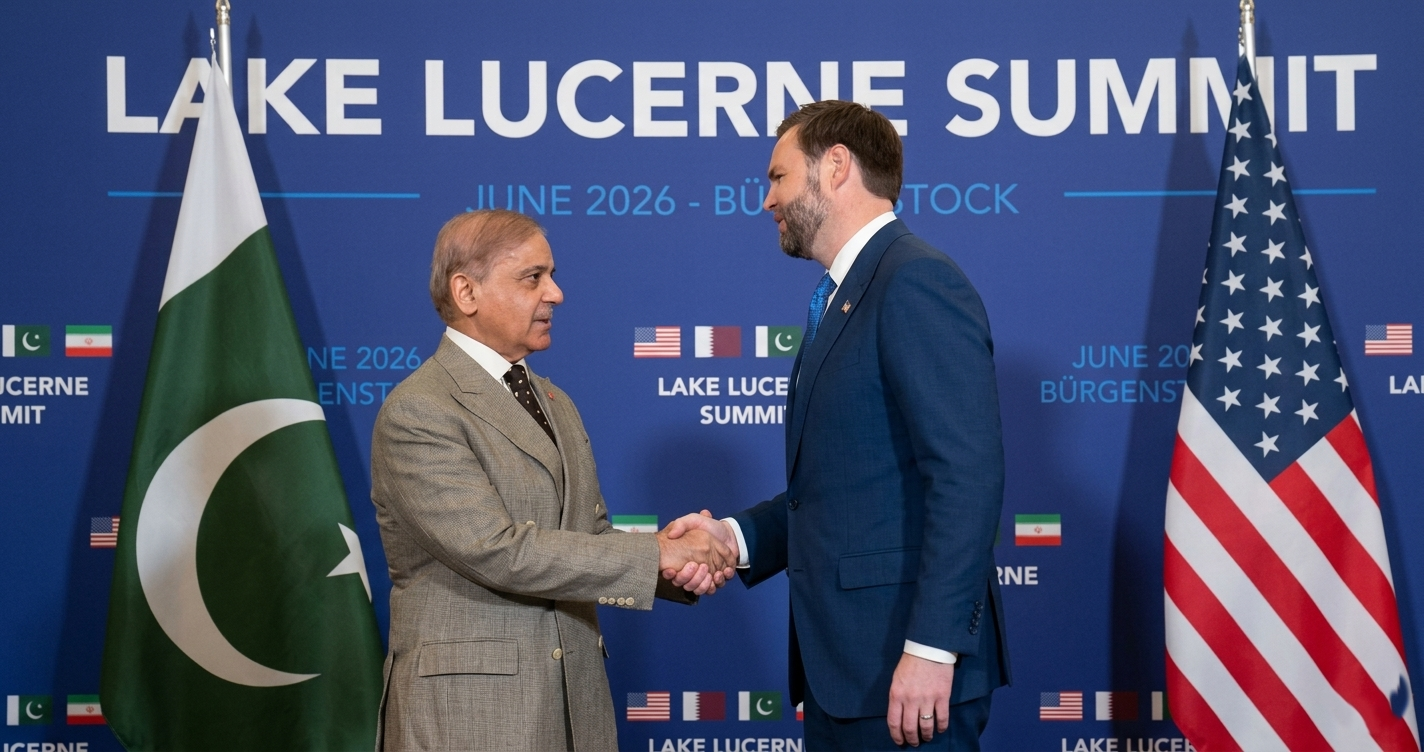
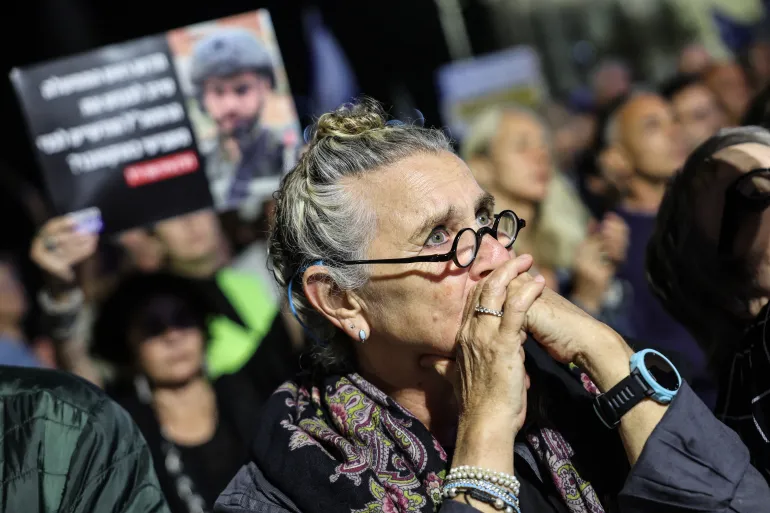
The ongoing Iran war Strait of Hormuz crisis has entered a dangerous new phase as tensions between Iran and the United States continue to escalate.
According to the latest developments, Tehran has made it clear that no date has been set for renewed negotiations, signaling a major setback for diplomatic efforts. At the same time, the Strait of Hormuz remains effectively closed under current conditions, creating ripple effects across global energy markets and international trade routes.
This dual crisis — stalled diplomacy and disrupted shipping — has significantly heightened fears of a prolonged regional conflict with worldwide consequences.
Why Iran Refuses US Talks
Iranian officials have strongly criticized Washington’s approach to negotiations, describing US demands as “maximalist” and unrealistic.
Deputy Foreign Minister Saeed Khatibzadeh stated that talks cannot proceed until both sides agree on a clear framework. Without that foundation, Iran believes any negotiations would be ineffective and potentially harmful to its strategic position.
Tehran has also accused the US of undermining previous diplomatic progress, particularly by maintaining pressure tactics such as port blockades.
This breakdown in communication reflects deeper mistrust between the two nations, rooted in years of sanctions, military confrontations, and failed agreements.
As a result, hopes for a quick diplomatic resolution appear increasingly unlikely.
Strait of Hormuz Closure and Global Impact
The closure of the Strait of Hormuz remains the most critical element of the crisis.
This narrow waterway handles around 20% of the world’s oil supply, making it one of the most strategically important trade routes on the planet.
Iran has indicated that the strait will not fully reopen unless the US lifts its blockade on Iranian ports. Officials view the strait as a key bargaining tool in negotiations, leveraging its importance to pressure global stakeholders.
The impact has already been significant:
- Oil prices have surged globally
- Shipping routes are disrupted
- Energy markets face extreme volatility
Countries heavily dependent on oil imports are now bracing for prolonged instability, while businesses worldwide are adjusting to rising transportation and fuel costs.
Escalation Across Israel and Lebanon
The broader conflict has also intensified across Israel and Lebanon, where military activity continues despite ceasefire efforts.
Recent reports confirm:
- Israeli strikes targeting positions in the region
- Continued exchanges of fire with Hezbollah
- Rising casualties among both military personnel and civilians
Additionally, attacks on UNIFIL peacekeepers have raised alarm internationally. Several incidents involving injuries and fatalities have been reported, further complicating the already fragile situation.
These developments suggest that even localized ceasefires are struggling to hold, increasing the risk of wider escalation.
Civilian Impact and Regional Instability
Beyond military developments, the human cost of the conflict continues to rise.
In Iran, citizens are experiencing a mix of fear, uncertainty, and resilience. While some remain hopeful for a peaceful resolution, others are preparing for prolonged instability.
Public demonstrations have been reported in major cities, reflecting both support for the government and concern over the future.
Meanwhile, in Israeli cities such as Tel Aviv, infrastructure damage has left thousands of residents displaced, with over 1,000 homes reportedly uninhabitable.
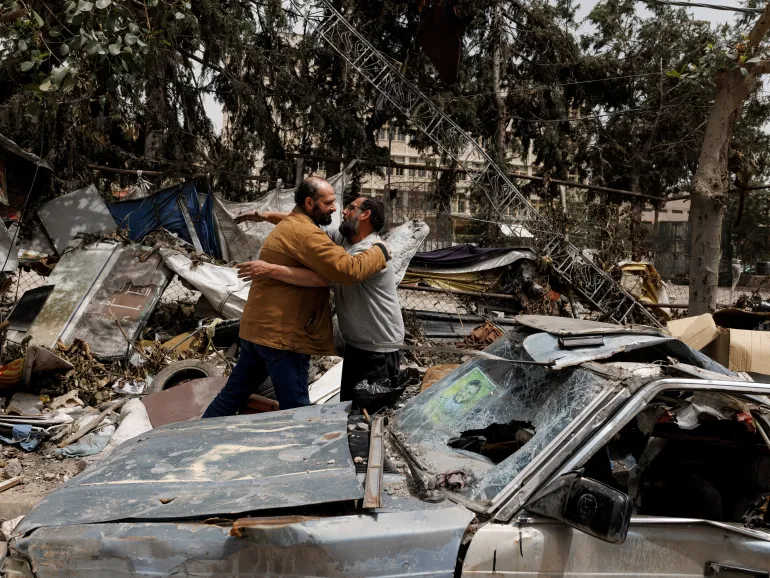
In Lebanon, displaced civilians are returning to devastated مناطق only to find widespread destruction, forcing many to leave again due to safety concerns.
These humanitarian challenges highlight the broader consequences of the conflict, extending far beyond the battlefield.
Role of Global Powers and Diplomatic Fallout
The crisis has also triggered reactions from global leaders and regional powers.
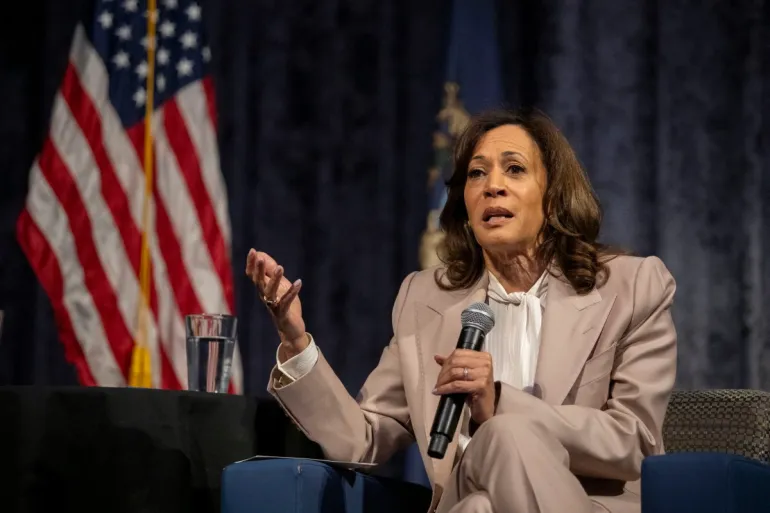
Former US Vice President Kamala Harris has criticized the war, arguing that it has placed unnecessary risks on US troops.
Meanwhile, diplomatic efforts from countries like the UAE and the UK continue, though progress remains limited.
International organizations, including the United Nations, have called for restraint and adherence to international law.
However, divisions among global powers and conflicting interests have made coordinated action difficult, further prolonging the crisis.
What Comes Next in the Iran War Crisis
Looking ahead, the Iran war Strait of Hormuz crisis shows no clear signs of resolution.
Key factors that will shape the next phase include:
- Whether diplomatic talks can resume
- The future status of the Strait of Hormuz
- Continued military activity in Lebanon and surrounding regions
Analysts warn that even a temporary ceasefire may not be enough to stabilize the situation, especially if underlying political tensions remain unresolved.
The possibility of further escalation — including expanded regional conflict or deeper economic disruption — remains a significant concern for the international community.
For now, the world watches closely as one of the most critical geopolitical crises of 2026 continues to unfold.
This article is based on live updates and reporting from Al Jazeera. For more global conflict coverage, visit the official FFRNEWS section.