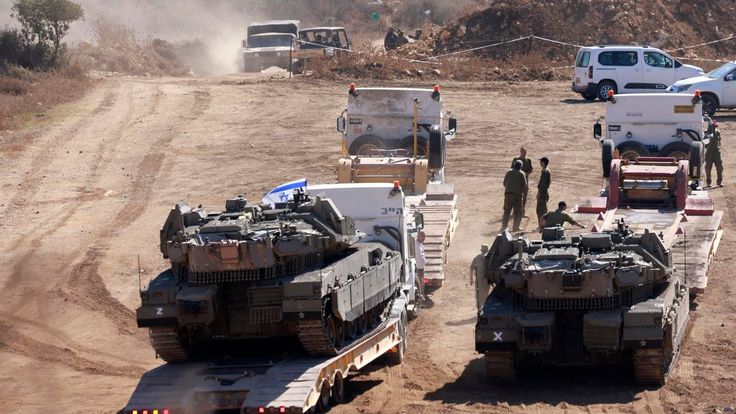
The Iran US Israel War Crisis 2026 has entered one of its most dangerous phases, with global attention now fixed on a single deadline that could determine the future of the Middle East—and possibly the world.
Tensions escalated dramatically after Donald Trump issued a stark warning that “a whole civilization will die tonight” if Iran fails to comply with a U.S. demand to reopen the Strait of Hormuz. The deadline, set for 20:00 EDT, has transformed an already volatile conflict into a moment of extreme uncertainty.
This statement marks one of the most severe threats made during the ongoing war and has triggered alarm across governments, military analysts, and international organizations.
Trump’s Ultimatum and the Strait of Hormuz Crisis
At the core of the Iran US Israel War Crisis 2026 is the strategic importance of the Strait of Hormuz, one of the most critical oil shipping routes in the world.
Iran’s control over this narrow waterway has allowed it to exert pressure on global energy markets. The U.S. and its allies argue that Iran’s actions have disrupted international trade and caused severe economic consequences worldwide.
President Trump’s ultimatum is clear: reopen the Strait or face devastating consequences.
In multiple statements over recent weeks, Trump has escalated his rhetoric—from threatening to destroy Iran’s power infrastructure to now suggesting the possibility of catastrophic consequences for the country as a whole.
Despite this, he also hinted that “something revolutionarily wonderful can happen,” leaving a narrow window for diplomacy.
US Strikes on Kharg Island Intensify Iran US Israel War Crisis 2026
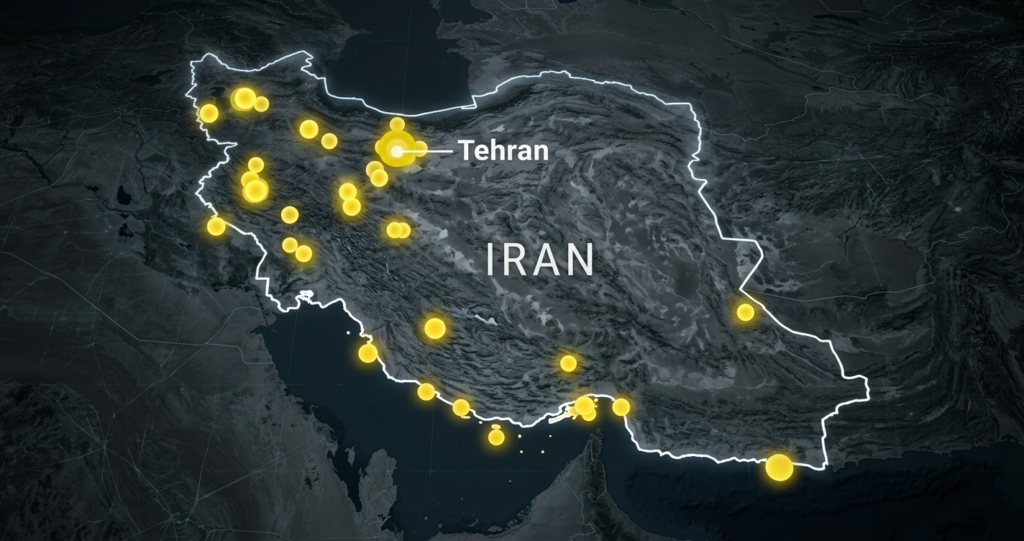
The situation escalated further as the United States carried out new strikes on Kharg Island, Iran’s most important oil export hub.
According to U.S. officials, the strikes targeted military installations rather than oil infrastructure. However, the symbolic importance of Kharg Island cannot be overstated—it is widely considered the backbone of Iran’s economy.
JD Vance confirmed that the strikes were part of a broader strategy to pressure Iran while avoiding direct disruption to global oil supplies.
This careful balancing act highlights the complexity of the Iran US Israel War Crisis 2026, where military actions are calibrated to avoid triggering a full-scale economic collapse while still achieving strategic objectives.
Iran’s Response and Expanding Regional Threats
Iran has responded strongly to U.S. and Israeli actions, signaling that it is prepared to escalate the conflict beyond its borders.
The Islamic Revolutionary Guard Corps (IRGC) warned that if the U.S. crosses certain “red lines,” Iran’s retaliation would extend across the region, targeting infrastructure and disrupting oil and gas supplies.
In a dramatic development, Iranian forces reportedly launched missile and drone strikes on a petrochemical complex in Saudi Arabia’s Jubail region. While these claims remain unverified, they underscore the widening scope of the conflict.
Iran has also continued missile attacks against Israel, prompting defensive responses from the Israel Defense Forces.
These actions demonstrate how the Iran US Israel War Crisis 2026 is no longer confined to one region but is rapidly evolving into a broader Middle Eastern conflict.
Civilian Impact and Infrastructure Damage
The human cost of the Iran US Israel War Crisis 2026 is becoming increasingly severe.
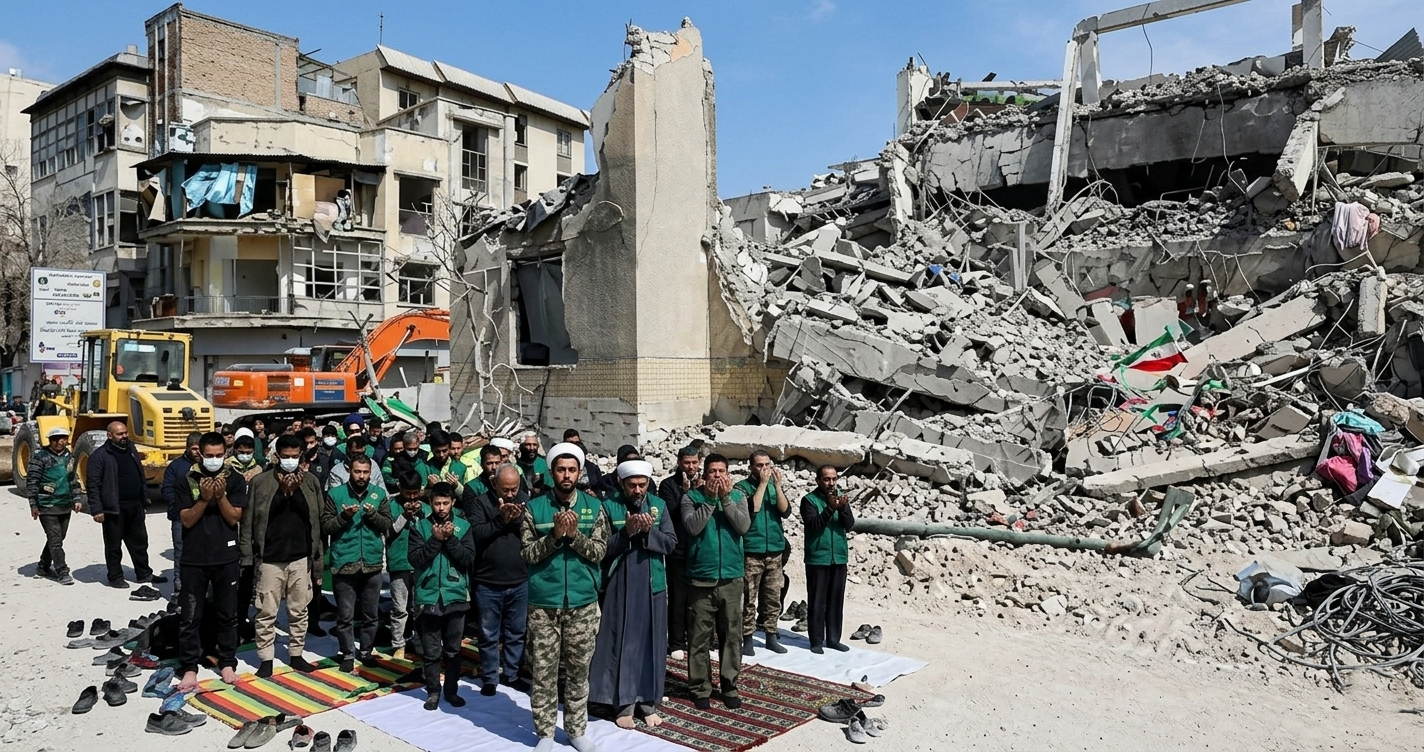
Reports from Iranian state media indicate that a strike on a railway bridge in Kashan resulted in civilian casualties. At the same time, transportation systems have been disrupted, with railway services in cities like Mashhad suspended following security warnings.
Visual evidence from Tehran shows massive fires and plumes of smoke rising from key locations, including areas near airports and infrastructure facilities.
Israel has also issued warnings to Iranian civilians, advising them to avoid certain areas, including train systems, citing security risks.
These developments highlight the growing risk to civilian populations and the potential for widespread humanitarian consequences.
Global Economic Shockwaves from Iran US Israel War Crisis 2026
The Iran US Israel War Crisis 2026 is having immediate and far-reaching economic consequences.
The Strait of Hormuz disruption has already caused a sharp increase in global oil prices, affecting countries heavily dependent on Middle Eastern energy.
For example, nations like Sri Lanka have announced emergency relief measures to support citizens facing rising fuel costs. Oil prices have surged significantly, creating inflationary pressures across global markets.
Shipping routes in the region have also become increasingly dangerous, with reports of vessels being struck by projectiles near Iranian waters.
These disruptions are not only impacting energy markets but also global trade, supply chains, and economic stability.
Expanding Conflict Zones: Lebanon, Turkey, and Beyond
The Iran US Israel War Crisis 2026 is spreading beyond its initial boundaries.
In Lebanon, air and drone strikes have reportedly killed multiple people and caused widespread destruction. Israeli forces have expanded their ground operations in southern Lebanon, signaling a broader military campaign.
Meanwhile, tensions have also flared in Turkey, where a shooting near the Israeli consulate in Istanbul resulted in casualties and injuries.
These incidents highlight how the conflict is triggering instability across multiple countries, raising fears of a regional war.
Trump’s Strategic Dilemma
As the deadline approaches, President Donald Trump faces a critical decision.
He must choose between escalating military action—potentially targeting critical infrastructure and risking global backlash—or stepping back and risking damage to U.S. credibility.
Analysts suggest that this moment represents one of the most challenging decisions of his presidency.
The stakes are extraordinarily high. A decision to escalate could lead to:
- Massive infrastructure destruction
- Regional war involving multiple countries
- Long-term global economic disruption
On the other hand, backing down could weaken U.S. influence and embolden adversaries.
Multiple Deadlines and Escalating Pressure
Trump’s latest ultimatum is part of a series of deadlines that have defined the Iran US Israel War Crisis 2026.
Over the past weeks, he has repeatedly postponed military action, each time extending deadlines for Iran to comply.
These shifting timelines reflect the complexity of negotiations and the difficulty of achieving a diplomatic resolution.
However, the latest warning—describing the potential destruction of an entire civilization—marks a significant escalation in tone and urgency.
Risk of a Larger Global Conflict
One of the most concerning aspects of the Iran US Israel War Crisis 2026 is the risk of it expanding into a larger global conflict.
Iran has warned that any escalation could lead to attacks on U.S. allies across the Gulf region, including countries like Saudi Arabia, the UAE, and Bahrain.
At the same time, global powers are closely monitoring the situation, with potential implications for international alliances and security systems.
The interconnected nature of modern geopolitics means that a conflict in one region can quickly trigger consequences worldwide.
What Happens Next in Iran US Israel War Crisis 2026
As the deadline approaches, the world is watching closely.
Several scenarios are possible:
- Diplomatic Breakthrough: Iran agrees to reopen the Strait of Hormuz, easing tensions.
- Limited Escalation: The U.S. carries out targeted strikes without triggering a wider war.
- Full-Scale Conflict: Escalation leads to widespread regional warfare and global economic disruption.
Each scenario carries significant risks and uncertainties.
A Defining Moment in Modern History
The Iran US Israel War Crisis 2026 represents one of the most critical moments in recent history.
With military strikes intensifying, economic pressures mounting, and political tensions at their peak, the decisions made in the coming hours could shape the future of the Middle East and beyond.
The world now stands at a crossroads—between escalation and diplomacy, conflict and resolution.
What happens next will not only determine the outcome of this war but could redefine global stability for years to come.
For more global crisis updates, visit the FFRNEWS politics section. This article is based on live reporting and verified updates from BBC News, including real-time developments on US strikes, Iran’s response, and escalating regional tensions.