Iran ceasefire talks have entered a critical phase as US Vice President JD Vance travels to Pakistan to lead negotiations with Iranian officials following a fragile two-week ceasefire between Washington and Tehran. The diplomatic initiative comes after weeks of intense conflict involving the United States, Israel and Iran that destabilized the Middle East and triggered global economic repercussions.
The temporary ceasefire agreement was reached earlier this week after heavy military exchanges and growing fears that the conflict could spiral into a full regional war. Pakistan has emerged as a key mediator hosting the negotiations in Islamabad, where security has been dramatically increased ahead of the talks.
However, despite the ceasefire announcement, tensions remain high across the region with continued clashes involving Hezbollah in Lebanon and uncertainty over whether the ceasefire fully applies to those fronts.
Fragile Ceasefire Raises Questions About Long-Term Peace
The Iran ceasefire talks aim to stabilize the region and possibly establish a pathway toward a longer-term diplomatic solution. Yet analysts warn the current ceasefire remains fragile and filled with unresolved issues.
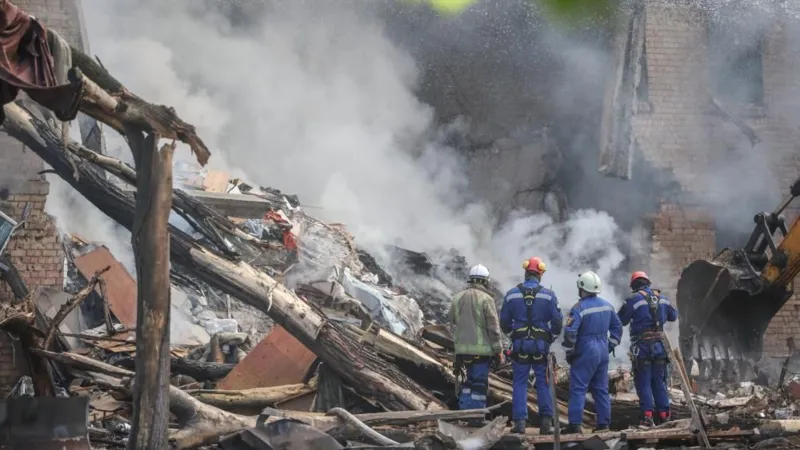
Although most large-scale strikes between the United States and Iran have halted, sporadic attacks and regional tensions continue. Israel has carried out operations against Hezbollah positions in Lebanon, arguing that the ceasefire agreement does not apply to its conflict with the Iran-backed militant group.
Iran, however, maintains that Lebanon should be included in the ceasefire framework. Iranian officials have accused Israel of violating the agreement through continued airstrikes, which have reportedly caused significant casualties.
Security experts say this disagreement over the scope of the ceasefire could derail the diplomatic effort before it fully begins.
JD Vance Leads US Delegation for Islamabad Negotiations
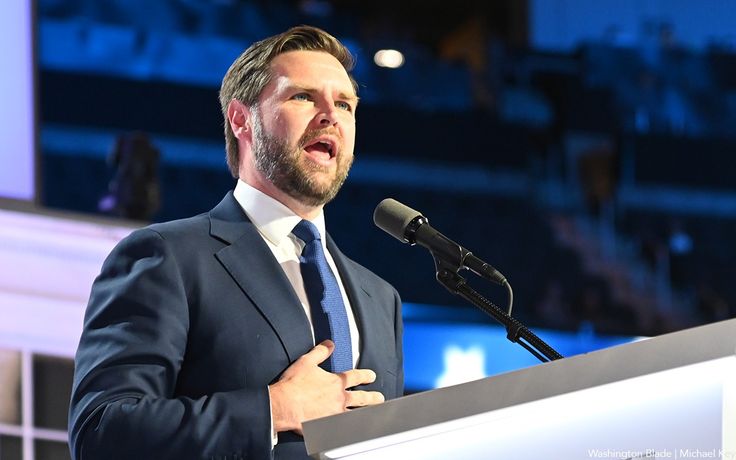
The Iran ceasefire talks are expected to begin in Islamabad this weekend with Vice President JD Vance heading the American delegation. Before boarding Air Force Two, Vance said the United States is prepared to engage diplomatically with Iran but warned that Washington would not tolerate bad-faith negotiations.
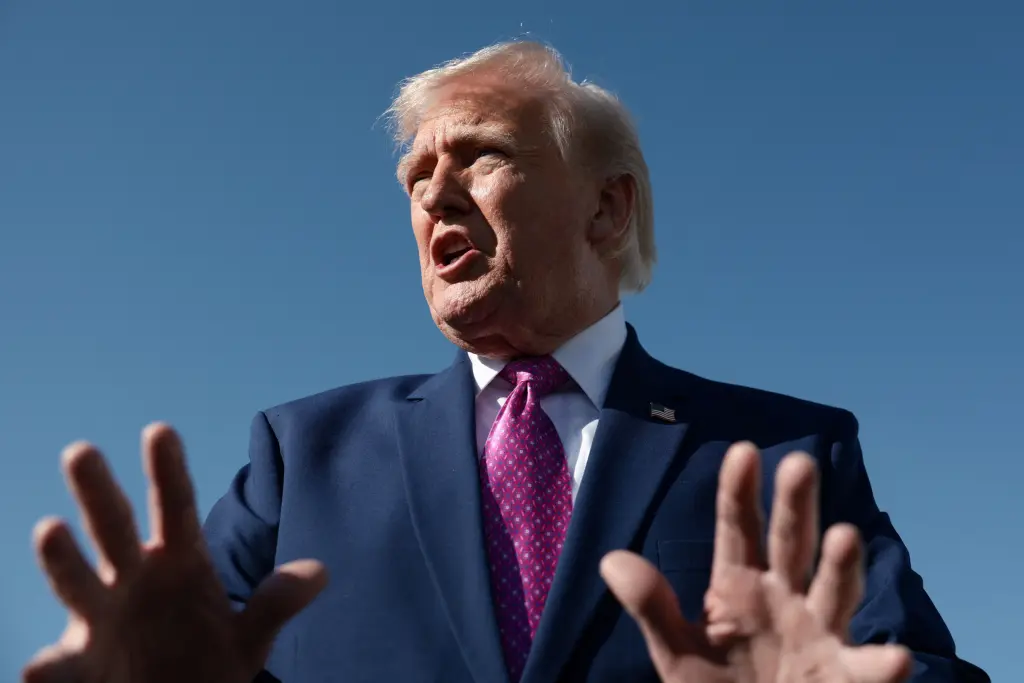
According to Vance, US President Donald Trump has provided “clear guidelines” for the talks, though the details of those instructions have not been publicly disclosed.
The US delegation also includes senior envoy Steve Witkoff and former presidential adviser Jared Kushner. Pakistani authorities have tightened security throughout the capital as journalists and diplomatic officials arrive for the high-profile meeting.
Islamabad’s central government district has been closed off with checkpoints and armed patrols while preparations continue for the negotiations.
Strait of Hormuz Remains Central to the Crisis
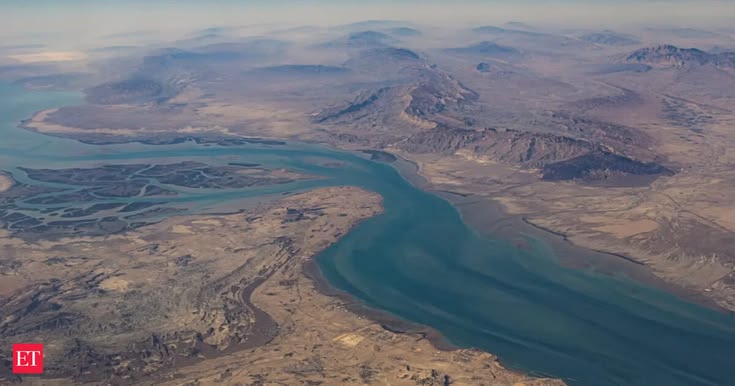
One of the most pressing issues driving the Iran ceasefire talks is the ongoing disruption in the Strait of Hormuz, one of the world’s most critical shipping routes for oil and gas.
Prior to the conflict, roughly 20% of global energy supplies passed through the narrow waterway connecting the Persian Gulf to the Arabian Sea. During the height of the war, Iran effectively closed the strait, causing global oil prices to surge and threatening international trade.
Although the ceasefire agreement included provisions for safe passage through the strait, shipping traffic remains extremely limited. Data from maritime tracking services shows that only a handful of vessels have crossed the strait since the ceasefire announcement, compared with more than 120 daily crossings before the conflict began.
Iran has warned that vessels passing through the waterway without permission could be targeted, a statement that has caused shipping companies and insurers to remain cautious.
The uncertainty surrounding the Strait of Hormuz continues to affect global energy markets, pushing oil prices upward and increasing inflation pressures in many economies.
Regional Powers Closely Watching the Negotiations
The Iran ceasefire talks are being closely monitored by several regional and global powers that have major strategic interests in the outcome of the conflict.
Gulf nations such as Saudi Arabia, the United Arab Emirates and Qatar have expressed concern over attacks on energy infrastructure and the potential disruption to global oil supplies. Western governments are also worried that continued instability could trigger broader economic consequences.
Meanwhile, Russia and China have maintained diplomatic engagement with Iran and have called for a negotiated solution to prevent further escalation.
European leaders have also become involved in mediation efforts. British Prime Minister Keir Starmer recently completed a diplomatic tour of Gulf states to discuss regional security and the reopening of the Strait of Hormuz.
Starmer warned that the Iran conflict could shape global geopolitics for decades if a lasting settlement is not reached.
Lebanon Conflict Threatens to Undermine Diplomacy
Another major challenge for the Iran ceasefire talks is the ongoing violence between Israel and Hezbollah in Lebanon. Despite the ceasefire between Washington and Tehran, cross-border rocket attacks and Israeli airstrikes have continued in recent days.
Hezbollah says it has launched retaliatory strikes in response to Israeli attacks, while Israel insists it is acting to neutralize threats along its northern border.
Lebanese officials have indicated they may join separate negotiations with Israel if a broader ceasefire is established. However, those talks remain uncertain as fighting persists.
Experts warn that continued hostilities in Lebanon could derail diplomatic progress and reignite wider regional conflict.
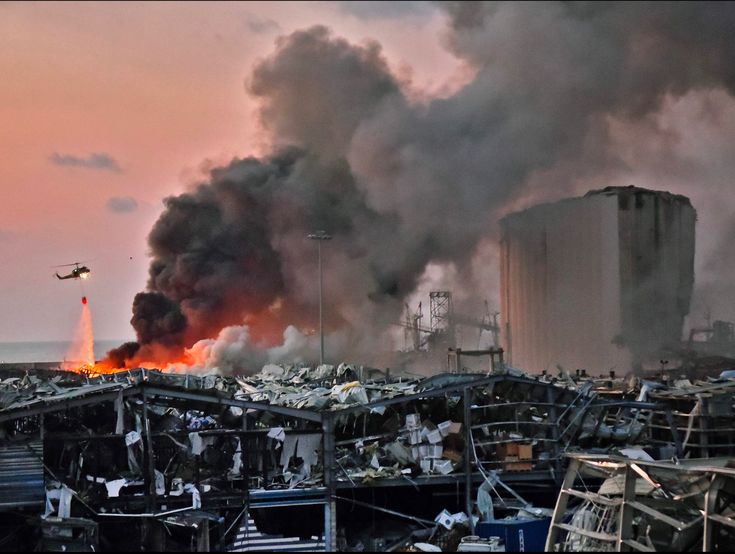
Global Economic Impact Already Visible
The war between the United States, Israel and Iran has already produced major ripple effects across the global economy. Energy prices have surged, supply chains have been disrupted and shipping costs have risen sharply.
Oil prices have approached historic highs due to uncertainty surrounding the Strait of Hormuz. Inflation in several major economies has also climbed as fuel costs increase transportation and manufacturing expenses.
Analysts say a prolonged conflict could deepen these economic pressures, particularly if energy exports from the Middle East remain restricted.
For many governments, the Iran ceasefire talks represent the best opportunity to stabilize markets and restore confidence in global trade routes.
Uncertain Outcome for Historic Negotiations
Despite growing diplomatic efforts, the outcome of the Iran ceasefire talks remains uncertain. The negotiations must address a complex web of military, political and economic disputes that have fueled decades of hostility.
Trust between the United States and Iran remains extremely limited, and both sides face pressure from domestic audiences and regional allies.
For Washington, any agreement must satisfy security concerns from Israel and Gulf partners. For Iran, negotiations must preserve national sovereignty while easing international pressure and sanctions.
Pakistan’s role as mediator may prove crucial in bridging the divide, but the stakes remain exceptionally high.
As diplomats prepare to meet in Islamabad, the world is watching closely to see whether the fragile ceasefire can evolve into a lasting peace—or whether the region could slide back toward a dangerous confrontation.
Read more global political developments in the FFRNews Politics Section at and explore wider international reporting from BBC News on the Iran negotiations and regional developments: