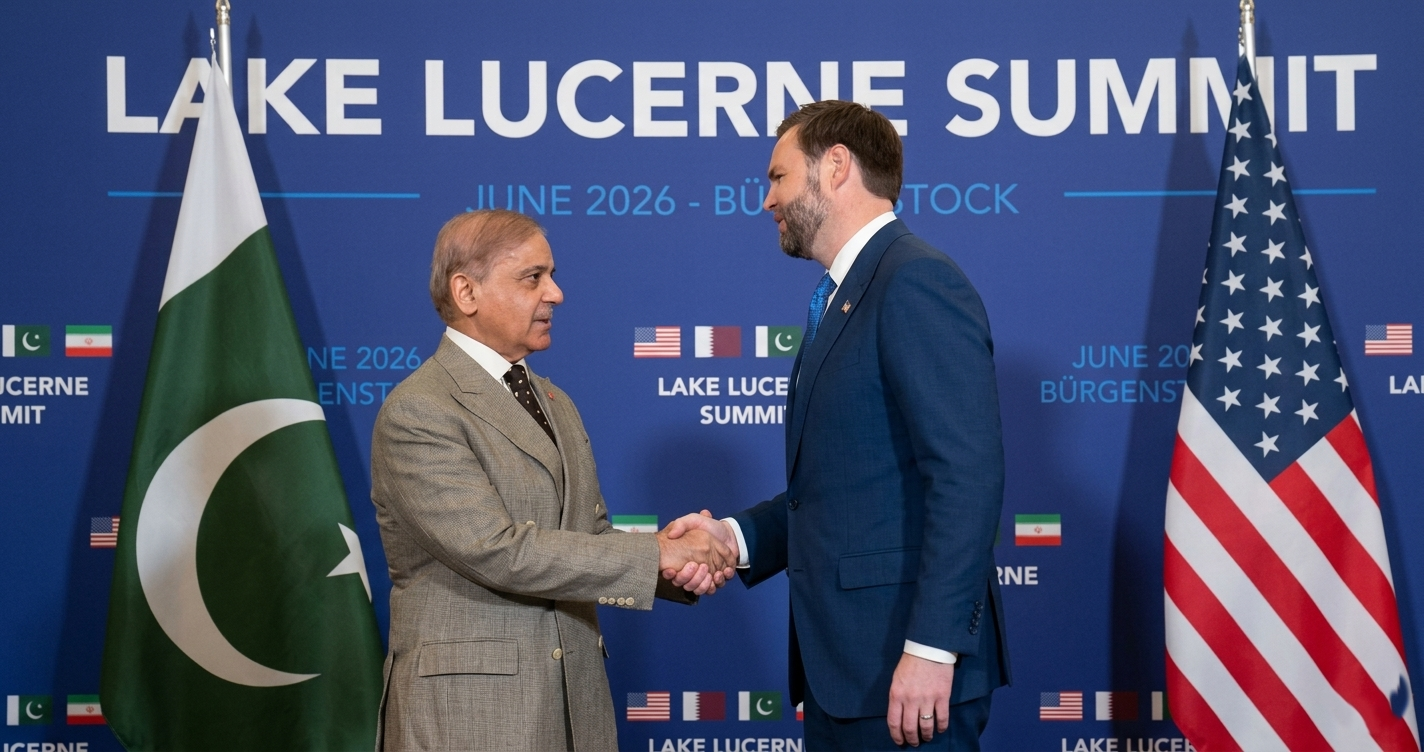
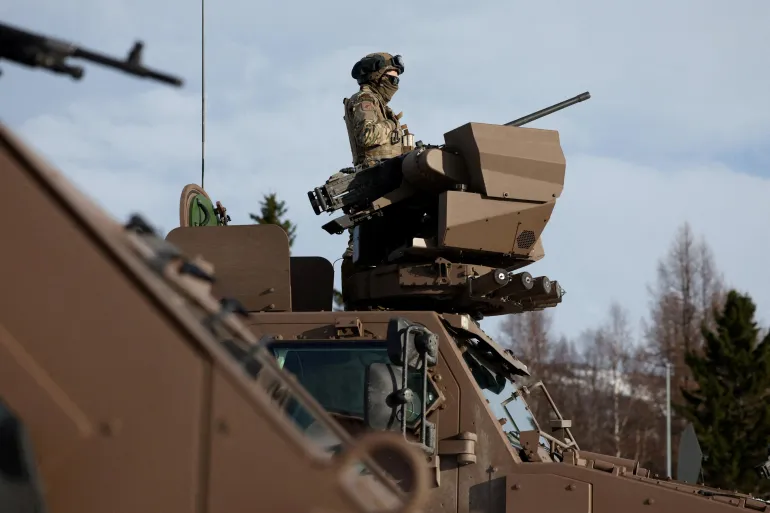
The question of NATO survival without US has moved from speculation to a serious geopolitical concern in 2026. The ongoing global tensions, particularly the war involving the Iran, have exposed deep fractures within the NATO alliance.
Analysts now warn that the alliance is “closer to a break than ever,” raising fears that one of the most powerful military coalitions in history could fundamentally change — or even collapse.
At the center of this uncertainty is Donald Trump, whose increasingly critical stance toward NATO has reignited debates about the future of transatlantic security.
Trump’s Longstanding Conflict With NATO
The concerns about NATO survival without US are not new. Trump has long criticized NATO allies for failing to meet defence spending targets and relying too heavily on American military support.
Even before returning to power, Trump frequently described NATO as “unfair” to the United States. His frustration has ranged from financial contributions to broader strategic disagreements.
Recent tensions escalated further when Trump floated controversial ideas such as taking control of Greenland, which belongs to NATO member Denmark.
These actions have left European allies increasingly uneasy about Washington’s long-term commitment to the alliance.
Iran War Deepens Transatlantic Divide
The ongoing conflict involving Iran has become a major turning point in the debate over NATO survival without US.
Many NATO members refused to join the US-led military campaign, creating a sharp divide between Washington and its European allies. Trump openly criticized their lack of support, calling it a lasting stain on the alliance.
Leaders across Europe, including Germany, have described the situation as a “transatlantic stress test.” The disagreement highlights a growing divergence in foreign policy priorities between the US and Europe.
This division has forced NATO to confront a difficult question: can it remain unified when its most powerful member and key allies no longer align on major global conflicts?
Can the US Actually Leave NATO?
Despite rising tensions, the process of withdrawing from NATO is not simple.
For the US to formally exit the alliance, Trump would need approval from the US Congress, including a two-thirds majority in the Senate. This makes a complete withdrawal unlikely in the short term.
NATO still enjoys significant bipartisan support in Washington, and many lawmakers view it as essential to global stability.
However, the debate over NATO survival without US is not limited to formal withdrawal. Even without leaving officially, the United States can significantly alter its role in the alliance.
How Trump Could Weaken NATO Without Leaving
Experts argue that NATO could be undermined even if the US remains a member.
Trump has several options that could weaken the alliance:
- Reducing military commitments to Europe
- Relocating or withdrawing US troops stationed across the continent
- Scaling back intelligence sharing and coordination
- Questioning the reliability of NATO’s collective defence principle
NATO’s cornerstone, Article 5, commits members to collective defence. However, it does not automatically guarantee military intervention, and doubts about US willingness to act could erode trust among allies.
In fact, simply suggesting a potential withdrawal has already shaken confidence in NATO’s credibility.
Europe’s Military Dependence on the US
One of the biggest challenges in the NATO survival without US debate is Europe’s heavy reliance on American military capabilities.
Despite increased defence spending in recent years, European nations still depend on the US for critical areas such as:
- Advanced intelligence and surveillance
- Missile defence systems
- Strategic airlift and logistics
- Space-based capabilities
Reports suggest that replacing US military support could cost Europe up to $1 trillion and take more than a decade.
While European countries have boosted defence budgets — increasing spending by over 60% between 2020 and 2025 — significant gaps remain.
This dependence makes the idea of NATO functioning without US leadership extremely challenging in the short term.
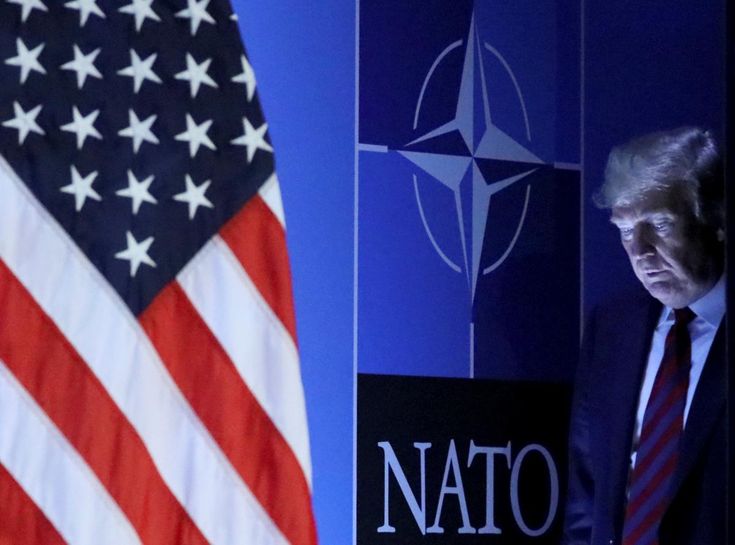
Can NATO Survive Without the United States?
Despite the challenges, some analysts believe that NATO survival without US is possible — but only in a transformed form.
European members have strong incentives to maintain the alliance as a platform for military cooperation and regional security. Over time, NATO could evolve into a more Europe-led organization.
However, such a transformation would require:
- Massive increases in defence spending
- Greater political unity among European nations
- Rapid development of independent military capabilities
Even then, NATO would likely look very different from its current structure, with reduced global reach and influence.
Russia Factor and Future Security Risks
Another critical factor in the NATO survival without US debate is Russia.
Security experts warn that Russia could rebuild its military strength and pose a renewed threat to NATO territory within the next few years — possibly as early as 2027.
Without strong US backing, European nations could face increased pressure in deterring potential aggression.
This looming threat adds urgency to the debate, as NATO’s ability to respond effectively to future conflicts may depend heavily on continued US involvement.
What This Means for Global Power Balance
The outcome of the NATO survival without US question will have far-reaching consequences for global geopolitics.
If the US reduces its role or withdraws:
- Europe may move toward strategic independence
- Global alliances could shift significantly
- Rival powers could gain influence
- International security structures may weaken
NATO has been a cornerstone of global security since its creation during the Cold War. Any major बदलाव in its structure would mark a historic turning point.
The debate over NATO survival without US is no longer theoretical — it is unfolding in real time.
While a complete US withdrawal remains unlikely in the near future, even partial disengagement could reshape the alliance in profound ways. Europe faces the challenge of strengthening its own defence capabilities, while the US must decide how it wants to position itself in a rapidly changing world.
As global tensions rise and alliances are tested, NATO’s future will depend on whether its members can adapt to a new geopolitical reality — or risk drifting apart at a critical moment in history.
This article is based on reporting from Al Jazeera, along with geopolitical analysis related to NATO and policy discussions involving Donald Trump.