
What Are Reservoir Methane Emissions and Why They Matter
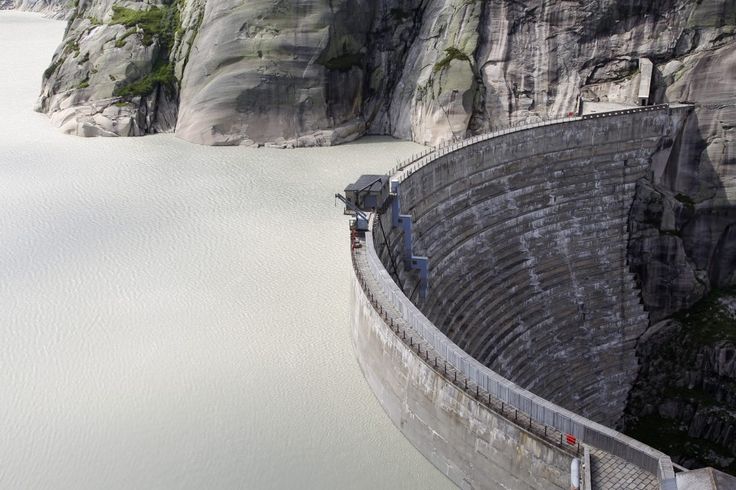
A growing body of scientific research is drawing attention to a largely overlooked contributor to global warming: reservoir methane emissions. These emissions originate from artificial water bodies such as dams and reservoirs, which are often created for hydropower, irrigation, and water storage.
While reservoirs have long been considered environmentally beneficial—especially as a source of renewable energy—scientists now warn that they may also be releasing significant quantities of methane, a greenhouse gas far more potent than carbon dioxide in the short term.
Methane has a much stronger heat-trapping ability, making it a critical factor in global temperature rise. Even relatively small emissions can have a disproportionately large impact on the climate, especially over shorter timescales.
How Reservoirs Produce Methane Gas
The process behind reservoir methane emissions is both natural and complex. When land is flooded to create a reservoir, vegetation, soil, and organic matter become submerged underwater. In these oxygen-poor conditions, microbes break down this organic material and produce methane as a byproduct.
This methane can then escape into the atmosphere through:
- Bubbles rising to the surface (ebullition)
- Diffusion through the water
- Release during water discharge from dams
Warm climates and shallow reservoirs tend to produce even higher levels of methane, making regions in Asia, Africa, and South America particularly vulnerable to this issue.
A Major Blind Spot in Global Climate Policy
Experts are increasingly calling reservoir methane emissions a “blind spot” in climate policy. Despite their potential impact, these emissions are often not fully accounted for in national greenhouse gas inventories.
Most climate strategies focus heavily on:
- Fossil fuel emissions
- Transportation
- Industrial pollution
However, emissions from reservoirs—especially in developing countries—are frequently underestimated or ignored due to:
- Lack of consistent monitoring systems
- Limited data availability
- Complex measurement processes
As a result, global emission figures may be significantly underreported, raising concerns about the accuracy of climate targets and commitments.
Why Scientists Are Raising Alarm Now
Recent studies and environmental reports have highlighted that methane emissions from reservoirs could be higher than previously estimated. With the global push toward renewable energy, hydropower projects have expanded rapidly, increasing the number of artificial reservoirs worldwide.
This expansion has unintentionally amplified the methane problem.
Scientists warn that:
- Some reservoirs may emit as much greenhouse gas as fossil fuel plants
- Tropical reservoirs are particularly high emitters
- Aging reservoirs may continue releasing methane for decades
These findings have triggered calls for urgent research and policy adjustments to better understand and control emissions from these sources.
Impact on Global Climate Goals
The emergence of reservoir methane emissions as a significant issue could have serious implications for international climate targets.
Countries around the world have committed to reducing emissions under agreements aimed at limiting global warming. However, if a major source of emissions is being underestimated, it could mean:
- Climate targets are harder to achieve than expected
- Current policies may not go far enough
- Additional mitigation strategies are required
This is especially concerning as methane plays a critical role in short-term warming, meaning it directly affects the urgency of climate action in the next two decades.
Environmental Groups Demand Action
Environmental organizations are now urging governments and international bodies to take immediate steps to address this issue.
Key demands include:
- Improved monitoring of reservoir emissions
- Inclusion of methane data in national climate reports
- Investment in research and technology to reduce emissions
- Rethinking the environmental classification of hydropower projects
Many groups argue that while hydropower remains important, it should no longer be considered entirely “clean” without accounting for methane output.
Possible Solutions to Reduce Methane Emissions
Despite the concerns, experts believe there are ways to manage and reduce methane emissions from reservoirs.
Some potential solutions include:
- Clearing vegetation before flooding land
- Improving water flow management to reduce methane buildup
- Capturing methane emissions for energy use
- Designing reservoirs with emission reduction in mind
Innovation in these areas could help balance the benefits of reservoirs with their environmental impact.
Global Implications for Developing Countries
The issue of reservoir methane emissions is particularly significant for developing nations, where hydropower plays a key role in energy production.
Countries in regions such as:
- South Asia
- Southeast Asia
- Africa
are investing heavily in dam construction to meet growing energy demands. However, these same regions often have warmer climates, which can increase methane production.
This creates a complex challenge:
👉 balancing economic development with environmental responsibility
Without proper monitoring and mitigation, these countries could face increasing pressure in global climate discussions.
The Need for Better Climate Accounting
One of the most important outcomes of this emerging issue is the need for more accurate climate accounting.
Experts emphasize that understanding all sources of emissions is essential for:
- Effective policymaking
- Transparent international agreements
- Real progress toward climate goals
Ignoring or underestimating reservoir methane emissions could undermine global efforts to combat climate change.
Looking Ahead: A Critical Turning Point
The growing awareness of reservoir methane emissions marks a turning point in how environmental impacts are evaluated.
What was once seen as a sustainable solution now requires a more nuanced understanding. While reservoirs and hydropower remain valuable, their environmental costs must be fully recognized and managed.
As research continues and awareness spreads, governments and organizations will need to adapt quickly. The challenge is not just to reduce emissions—but to ensure that all sources of greenhouse gases are accounted for.
For more global environmental updates, visit the official FFRNEWS homepage and explore categories like environment for related coverage. External insights are based on recent scientific reporting and environmental analyses on methane emissions and climate policy trends.