
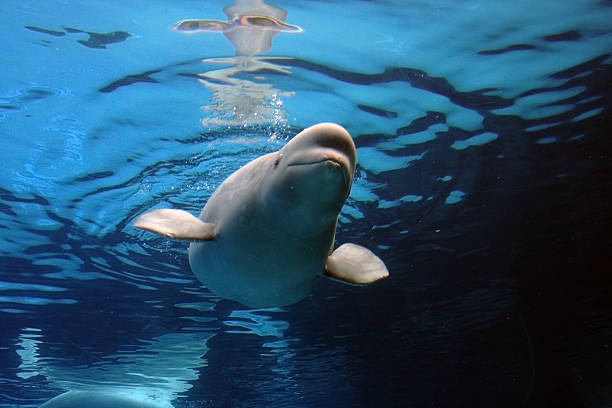
Canadian Beluga Whale Euthanasia Threat has drawn international condemnation as Marineland, a marine amusement park in Niagara Falls, Ontario, warned it may be forced to euthanise 30 beluga whales. The announcement follows the Canadian government’s decision to block the park’s request to export the whales to China, citing animal welfare concerns. Marineland claims financial hardship and lack of government support have left it unable to continue caring for the animals, but activists argue that such threats are morally indefensible and expose deeper failures in marine wildlife management.
Marineland’s Crisis: A Struggling Park on the Edge
For decades, Marineland has been one of Canada’s most controversial attractions, known both for its marine performances and its long history of animal welfare complaints. The park, once a popular tourist destination, has faced declining attendance, repeated investigations, and financial instability in recent years.
The current crisis began when Marineland sought government permission to send its remaining beluga whales to Chimelong Ocean Kingdom in Zhuhai, China—a massive marine theme park located between Hong Kong and Macau. The transfer, however, was rejected by Canada’s Fisheries Minister Joanne Thompson, who ruled that the move violated Canada’s strengthened animal protection laws.
Thompson explained that the country’s 2019 fisheries legislation, which bans the use of whales and dolphins for entertainment, prohibits such exports. “I could not in good conscience approve an export that would perpetuate the treatment these belugas have endured,” she said, emphasizing that sending them to another entertainment facility would continue the same cycle of captivity and exploitation.
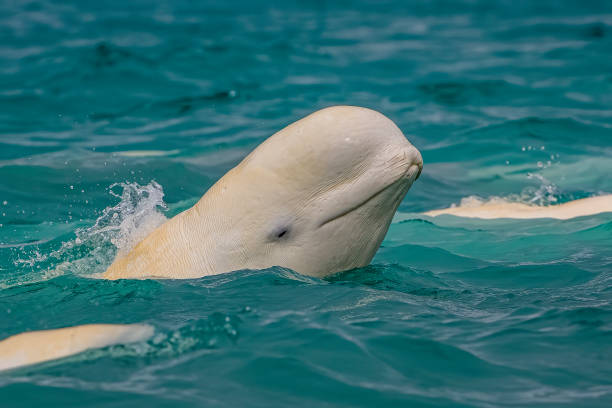
Government Rejection and Funding Denial
Following the export ban, Marineland requested federal funding to continue maintaining the whales as it winds down its operations. The park claimed it could no longer afford to provide adequate care without financial assistance.
However, the government also denied this request. Minister Thompson stated that public funding for the park was “inappropriate,” explaining that Marineland’s financial mismanagement and failure to establish long-term care plans for the animals did not justify taxpayer support.
Marineland responded with a shocking warning: without funding or permission to relocate the belugas, it may have no choice but to euthanise them. In a statement cited by CBC News and The New York Times, the park blamed the government’s decision directly for the whales’ possible deaths, calling it “a direct consequence of the minister’s decision.”
The Legal and Ethical Dimensions of the Controversy
The issue has ignited a heated debate about the ethics of animal captivity and the responsibilities of governments toward non-human species under human care.
Animal welfare organizations argue that Marineland’s threat of euthanasia is not only unethical but also illegal under Canada’s animal protection framework. Since the passage of Bill S-203, known as the “Ending the Captivity of Whales and Dolphins Act,” it is illegal to keep cetaceans for entertainment or to breed them for commercial use. However, many of Marineland’s animals were grandfathered in under the law, creating a complex legal situation.
Animal rights advocates say the government must now intervene directly to ensure the safety of the belugas. World Animal Protection, an international nonprofit, called on Ontario’s provincial government to seize control of the animals immediately. “The province must show leadership and ensure these animals receive the best possible care,” the organization said in a statement.
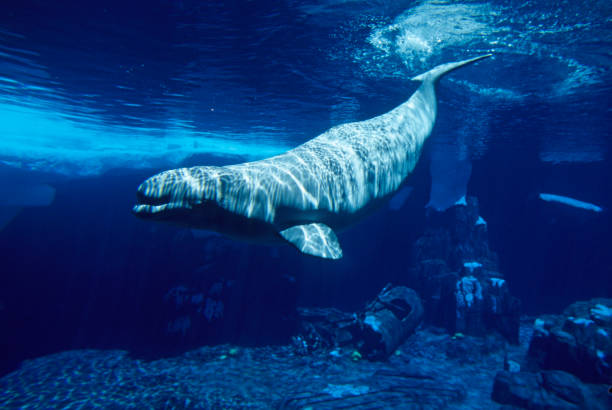
Years of Animal Welfare Complaints
Marineland’s track record has long been mired in controversy. In 2020, Ontario’s Animal Welfare Services launched an investigation into the park after a series of deaths and poor health conditions among its marine animals. Inspectors found that 12 whales had died in just two years, and described the park’s remaining marine life as being “under distress.”
Since 2019, at least 20 whales have died at Marineland, including five in 2024 alone, according to reports by the Canadian Press. These alarming statistics have amplified public calls to close the park permanently and relocate its surviving animals to sanctuaries.
Despite these concerns, Marineland managed to stay afloat financially by remortgaging its land earlier this year. The decision allowed the park to fund the relocation of some animals while it sought new ownership. However, the recent export denial has derailed that plan, leaving the belugas stranded and the park in what it calls a “critical financial state.”
Backlash From Animal Rights Groups and the Public
Outrage over the euthanasia threat was swift. Camille Labchuk, executive director of Animal Justice, condemned Marineland’s stance, saying the park has “a moral obligation to fund the future care of these animals.” She described the threat to kill them as “reprehensible” and a form of coercion aimed at forcing government intervention.
The public has echoed similar sentiments on social media, with many Canadians demanding that the government take immediate control of the whales and transfer them to accredited marine sanctuaries. Some users accused Marineland of using the whales as “bargaining chips” in its financial struggles.
Animal Justice and World Animal Protection both argue that there are viable alternatives to euthanasia, including collaboration with marine sanctuaries such as the Whale Sanctuary Project, which has been developing a cold-water refuge site in Nova Scotia for retired belugas and orcas.
The Larger Issue: Captivity vs. Conservation
The Marineland case raises broader questions about the future of marine mammals in captivity. While some aquariums have evolved into conservation-oriented research centers, others continue to operate under models based on entertainment and ticket sales.
Experts note that belugas are highly social, intelligent creatures that suffer immense psychological stress in confinement. They rely on complex social structures and communication patterns that cannot be replicated in artificial environments. The idea of euthanising such animals, many of which were born in captivity, has been described by scientists as both “morally abhorrent” and “scientifically unnecessary.”
Dr. Naomi Rose, a marine mammal scientist at the Animal Welfare Institute, explained that “there are humane, scientifically sound alternatives available,” and that governments should prioritize creating protected ocean sanctuaries over continuing the legacy of captivity.
The Path Forward for Marineland and the Belugas
As of now, Marineland remains in limbo. It has closed its doors to the public and continues to look for a buyer or partner capable of taking responsibility for its animals. The Canadian government, meanwhile, insists that euthanising the whales is unacceptable and that the park’s management bears full responsibility for their welfare.
If Marineland proceeds with its euthanasia plan, it could face severe legal consequences under Canada’s animal cruelty statutes. However, unless an immediate rescue or government-led intervention occurs, the fate of the 30 beluga whales remains uncertain.
Animal welfare groups continue to press for transparency and accountability, warning that this crisis could set a dangerous precedent for how struggling marine parks handle their remaining animals.
Conclusion: A Turning Point for Animal Welfare in Canada
The Canadian Beluga Whale Euthanasia Threat underscores the ongoing clash between outdated entertainment-based marine parks and modern animal welfare ethics. Marineland’s actions have reignited debate over how societies treat sentient creatures in captivity and who bears responsibility when private facilities fail to uphold ethical standards.
Whether through government intervention, sanctuary relocation, or stronger enforcement of animal protection laws, this case could mark a defining moment for Canada’s wildlife policy. The world is watching closely, hoping that compassion—not convenience—will guide the next decision.
Source: BBC
c18zr2