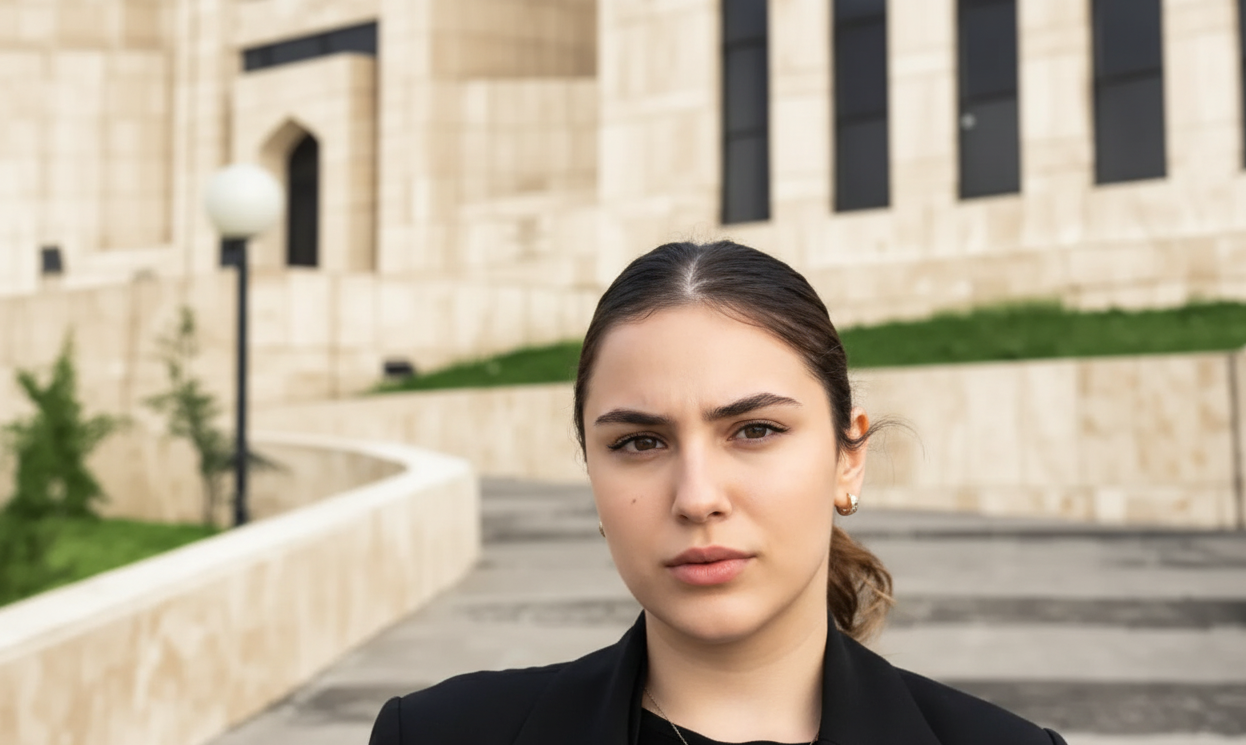
The Mahnoor Omer Period Tax case has brought a long-overdue conversation to Pakistan’s national spotlight. At just 25 years old, Mahnoor Omer, a lawyer and women’s rights advocate, is challenging what she calls a “discriminatory tax on a biological function.” Her petition before the Lahore High Court demands the removal of a tax that adds up to 40% to the cost of sanitary pads — an expense millions of women in Pakistan cannot afford.
Growing up in Rawalpindi, near Islamabad, Omer remembers hiding sanitary pads in her school days, as though they were something to be ashamed of. “I used to hide my pad up my sleeve like I was taking narcotics to the bathroom,” she recalls. That culture of silence and stigma continues to shape women’s experiences across Pakistan, where menstruation is taboo, and access to menstrual hygiene products remains limited.
The Fight Against Pakistan’s “Period Tax”
Under Pakistan’s Sales Tax Act of 1990, sanitary pads are classified as “luxury goods,” subject to an 18% sales tax on local production and a 25% customs tax on imported pads and raw materials. When other local levies are added, UNICEF Pakistan estimates that the effective tax rate reaches around 40%.
Omer’s petition argues that these taxes violate the constitutional principles of equality, dignity, and non-discrimination, given that they target a product essential only to women. “It’s not just about pads,” she explains. “It’s about justice. It’s about the state recognizing that women should not be punished for their biology.”
A standard pack of branded sanitary pads in Pakistan costs around 450 rupees ($1.60) for 10 pieces. In a country where the average monthly income is $120, this is a significant expense — comparable to the cost of a family meal.
As a result, only 12% of Pakistani women use commercial sanitary pads, according to a 2024 UNICEF and WaterAid report. The majority rely on cloth or improvised materials, often without clean water to maintain hygiene.
Breaking Silence and Stigma
Omer’s activism aligns with a growing movement in Pakistan to normalize discussions around menstruation. Groups like Mahwari Justice, founded by Bushra Mahnoor, and Dastak Foundation, led by Hira Amjad, are helping change the narrative.
Bushra Mahnoor, who grew up in Attock, describes the pain of early menstruation and the lack of education surrounding it. “When I got my first period, I didn’t know how to use a pad,” she says. “No one tells you how to manage it.”
Her organization, Mahwari Justice, has since distributed over 100,000 period kits across Pakistan, each containing pads, soap, underwear, and painkillers. They’ve also used rap songs and comics to destigmatize menstruation — teaching girls that “mahwari,” the Urdu word for period, is not something to be ashamed of.
Omer believes that education and affordability go hand in hand. If the government removes the tax, more women can afford hygienic products, reducing health risks and improving school attendance. Currently, over half of Pakistani girls between ages 5 and 16 are out of school, according to the United Nations — with menstruation being one of the contributing factors.
Economics, Patriarchy, and Periods
The economic burden of the period tax runs deeper than just affordability. In most Pakistani households, men control financial decisions, says Hira Amjad. “Even if a woman earns money, she usually hands it to her husband or father,” Amjad explains. “So if pads are expensive, they’re seen as unnecessary.”
A 2023 Frontiers in Public Health study revealed that more than half of Pakistani women cannot afford sanitary pads. Without tax reform, the majority will continue to suffer silently, relying on unsafe alternatives.
Removing the tax, Amjad argues, could have far-reaching effects: “We’ll have healthier, more confident women — and girls who don’t have to skip school every month.”
The Legal and Moral Battle
Omer’s co-petitioner, lawyer Ahsan Jehangir Khan, says this case is about more than taxation — it’s about justice and equality. “It’s a tax on a biological function,” Khan says. “The constitution prohibits gender-based discrimination, and this law clearly violates that principle.”
For Omer, the fight is personal and symbolic. She began working on gender justice initiatives as a teenager, volunteering at Aurat March, Pakistan’s annual women’s rights protest. Later, she co-created ‘dignity kits’ for low-income women in Islamabad, using funds raised from bake sales and donations.
Now, as a postgraduate student at the London School of Economics, Omer balances her studies with activism. “This case makes me feel a sense of pride,” she says. “It’s not just about the courtroom — it’s a feeling of justice.”
Climate Change and Menstrual Justice
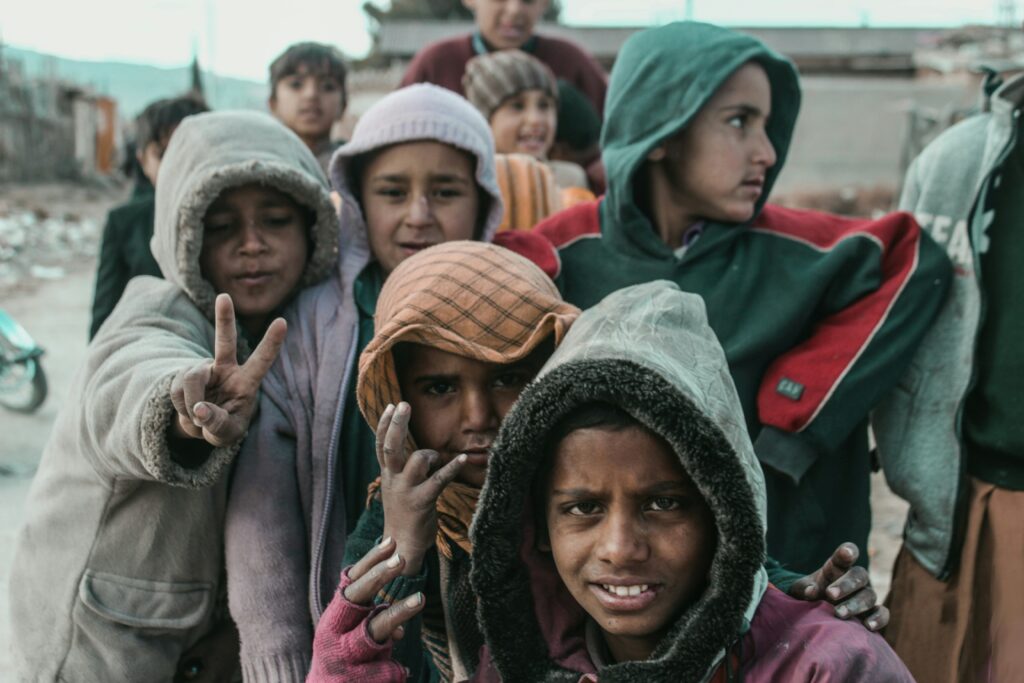
The fight for menstrual equity also intersects with climate change, which disproportionately affects women. During Pakistan’s devastating 2022 floods, organizations like Mahwari Justice and Dastak Foundation distributed period kits to displaced women who lacked privacy and hygiene facilities.
Amjad recalls the trauma many faced: “Imagine having your first period in a tent, with no clean water or safety. That’s a trauma for life.”
She warns that rising temperatures will make menstrual management harder, as women need to change pads more frequently. Amjad supports removing taxes on biodegradable cotton pads, not plastic ones that take centuries to decompose.
Toward Menstrual Equity in Pakistan
Globally, countries like India, Nepal, and the United Kingdom have already abolished their “period taxes.” Activists hope Pakistan will follow suit.
Omer’s parents, initially nervous about her taking the government to court, now support her fully. “They said it’s never a good idea to take on the state,” she recalls with a smile. “But now they understand why this matters.”
The case, titled Mahnoor Omer vs Government of Pakistan, could become a landmark in gender justice if successful.
As Omer puts it:
“When I think of this case, I don’t see a courtroom. I see a feeling — a feeling of justice.”
Her battle isn’t just about eliminating a tax. It’s about ending centuries of silence, shame, and inequality — one pad at a time.
Source: Al Jazeera