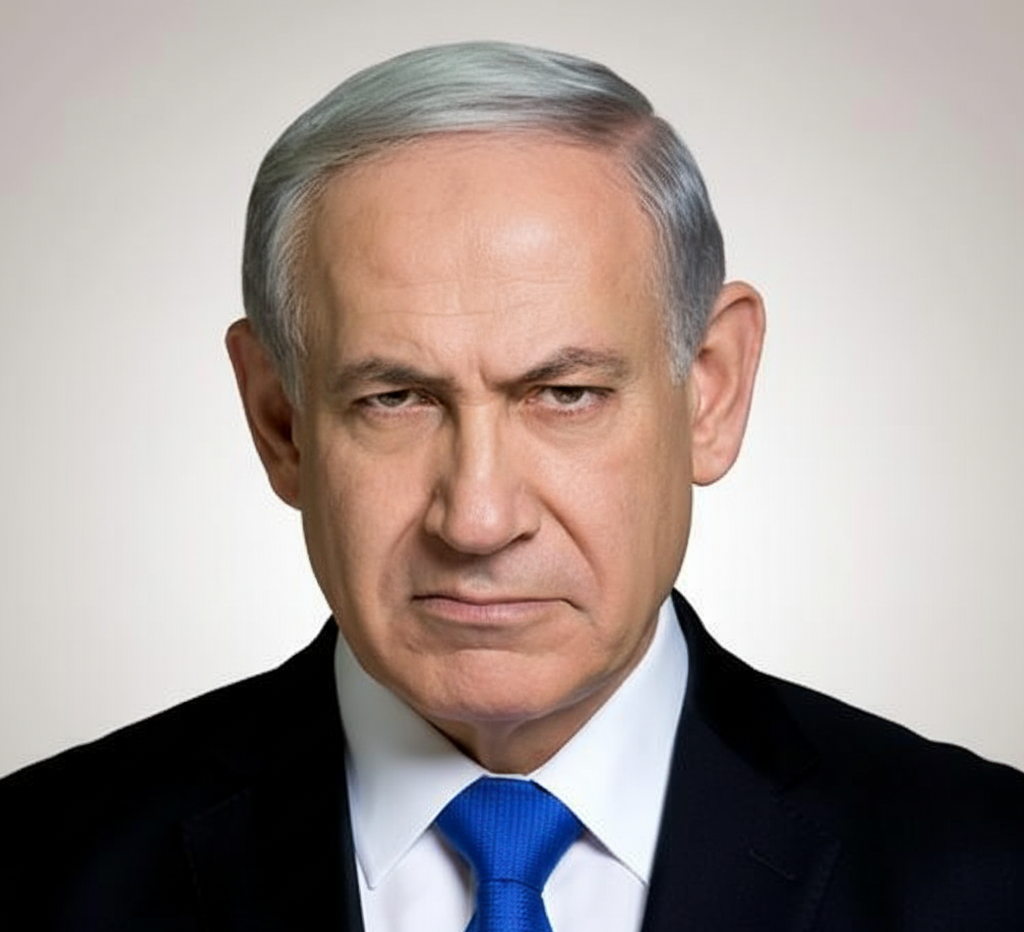
Netanyahu determined to pressure Hamas — Israel’s Prime Minister Benjamin Netanyahu has reaffirmed his commitment to recovering the remaining dead hostages still inside Gaza. Speaking at a memorial ceremony in Jerusalem, he said Israel would continue to combat terrorism with “full force” until all victims of the 7 October 2023 Hamas-led attack were brought home.
The statement came just hours after Hamas returned the bodies of two more hostages — identified as Inbar Hayman and Sgt Maj Muhammad al-Atarash — to the International Committee of the Red Cross. However, the militant group said it could not yet access the remaining 19 bodies, sparking outrage among Israeli citizens and families of the victims.
Growing Frustration in Israel
There is mounting anger within Israel that Hamas has not fulfilled the full terms of last week’s Gaza ceasefire deal, which required the group to hand over all deceased hostages. Many families and advocacy groups have urged Netanyahu’s government to suspend the ceasefire until all bodies are recovered.
The Hostages and Missing Families Forum — an organization representing the families of those still unaccounted for — demanded the government “immediately halt implementation” of the ceasefire deal. The Forum accused Hamas of deliberately delaying the process while Israel shows restraint.
Despite the growing criticism, the US administration has downplayed the delay, saying it does not yet consider Hamas’s actions a breach of the agreement. According to two senior advisers to President Donald Trump, the US believes Hamas has acted “in good faith” and that logistical challenges and destruction in Gaza are hindering the recovery efforts.
Netanyahu’s Promise at Mount Herzl
Speaking at Mount Herzl national cemetery in Jerusalem, Netanyahu vowed to bring back every Israeli victim — dead or alive — while reinforcing Israel’s readiness to retaliate against any future attacks.
He declared:
“Our fight against terrorism will continue with full force. We will not allow evil to raise its head. We will exact the full price from anyone who harms us.”
The prime minister’s message came as Israel continues to mourn the 1,200 people killed in the Hamas-led assault and the 251 hostages taken on that day. His speech echoed a broader sentiment of national determination amid ongoing grief and tension.
The Israeli military campaign in Gaza, launched in response to the October 7 attack, has so far killed at least 67,967 Palestinians, according to Gaza’s health ministry — figures recognized by the United Nations as credible. Israel maintains that its military operations target Hamas strongholds and are essential to national security.
Ceasefire Under Strain
The fragile ceasefire agreement between Israel and Hamas continues to face uncertainty. While 20 living hostages were released on Monday in exchange for 250 Palestinian prisoners and 1,718 detainees from Gaza, Hamas says retrieving the remaining bodies requires “specialist equipment” and major recovery efforts due to the extensive destruction caused by months of fighting.
A leaked version of the ceasefire deal published in Israeli media suggests that the agreement allowed for the possibility that not all bodies would be immediately accessible, given the level of destruction in parts of Gaza City and Rafah.
Still, Israeli officials have threatened to limit humanitarian aid entering Gaza through the Kerem Shalom crossing, as a form of leverage against Hamas for delays in fulfilling the deal. An Israeli defense spokesperson reiterated that aid would not pass through the Rafah crossing until both Israel and Egypt finalize the necessary coordination procedures.
The Human Toll and Diplomatic Balancing
While Israel continues to recover and bury the victims, Palestinians are also reclaiming their dead. On Thursday, 30 more Palestinian bodies were returned by Israel to Gaza, bringing the total to 120 since the deal’s implementation.
Meanwhile, the Rafah crossing with Egypt — a vital route for humanitarian movement — remains closed. Officials say it may reopen soon “for the movement of people only,” but aid transfers will continue exclusively through Israeli-controlled checkpoints after security inspections.
Hamas has complained to international mediators that more than 20 people were killed by Israeli forces even after the ceasefire began. The Israel Defense Forces (IDF) have stated that all actions taken were in response to “threats against troops” in occupied sectors of Gaza.
End of an Empire, Beginning of a Warning
The ongoing crisis underscores the fragile balance between diplomacy and retribution in the Middle East. Netanyahu’s determination to pressure Hamas highlights Israel’s unwillingness to compromise on national security, even at the risk of escalating regional tensions.
As families grieve and political leaders maneuver for leverage, the episode serves as a reminder of the unhealed scars from the October 7 attack — a day that continues to define Israel’s policy, its politics, and its pursuit of justice.
For now, Netanyahu’s message remains clear: the return of every hostage, living or dead, is a non-negotiable mission.
Source: BBC News