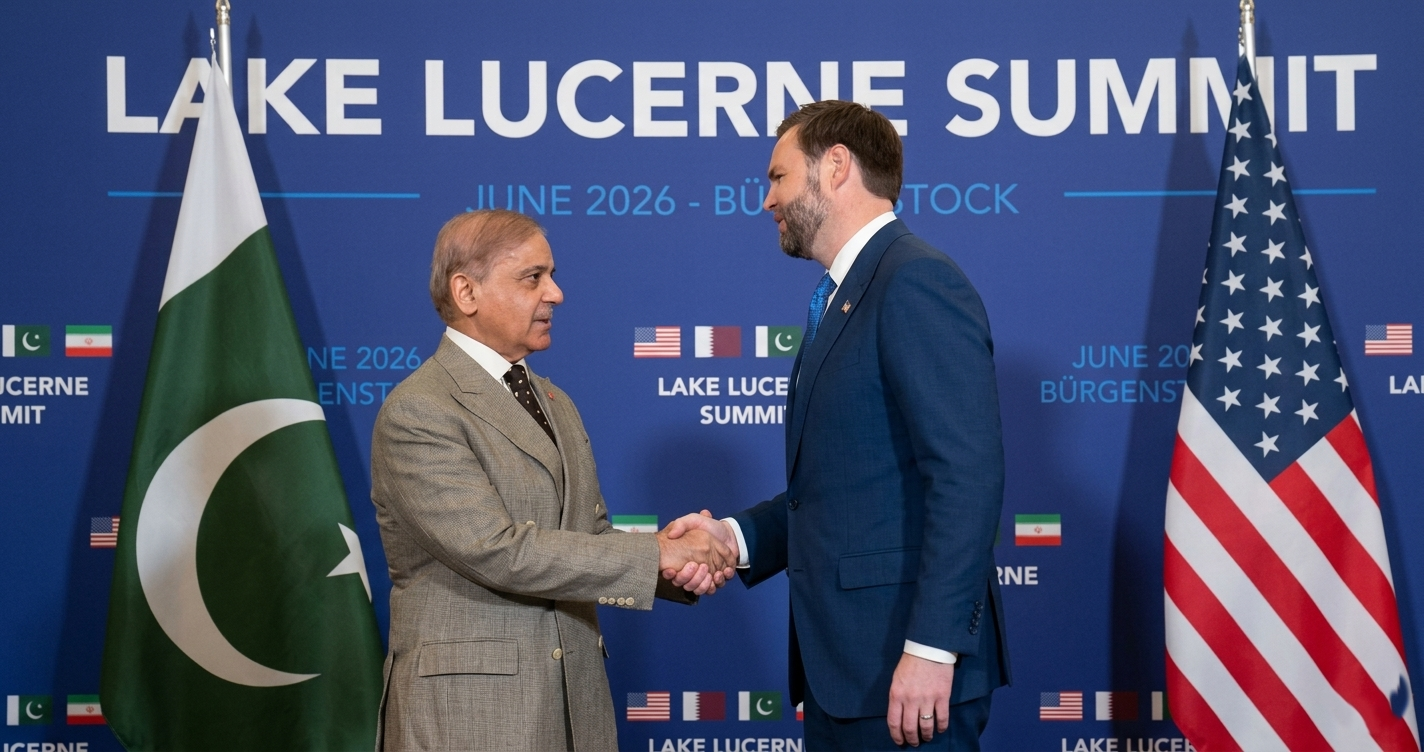
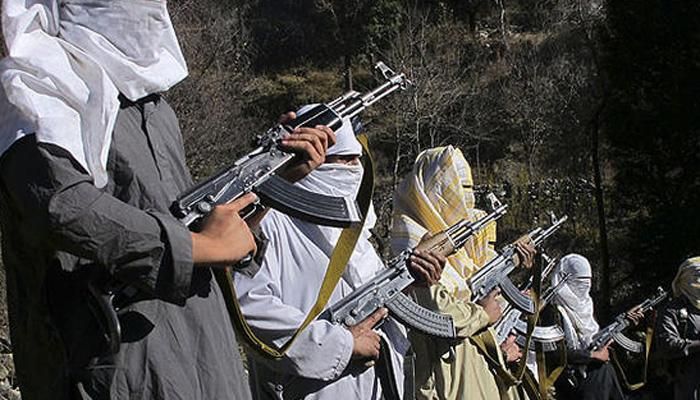
Pakistan India Taliban dispute has become one of the most complex and evolving diplomatic flashpoints in South Asia. As Pakistan accuses India of influencing the Taliban’s leadership, analysts say the mounting distrust could redefine the balance of power between Islamabad, Kabul, and New Delhi.
Updated by FFRNews on November 5, 2025
1. India Becomes Central to Pakistan’s Concerns
In late October, Pakistan’s Defence Minister Khawaja Muhammad Asif claimed in a national TV interview that India had “deeply penetrated” the Afghan Taliban leadership, suggesting New Delhi’s growing influence was behind the latest border escalations.
Though Asif provided no evidence, his remarks reflect Islamabad’s longstanding suspicion that India seeks leverage in Afghanistan to weaken Pakistan’s influence.
After deadly border clashes earlier in the month, Asif accused Kabul of being manipulated by India, saying, “The people pulling the strings are in Delhi.”
The Taliban rejected these accusations, calling them baseless and denying any Indian involvement in Pakistan’s internal security problems.
2. India’s Renewed Engagement with the Taliban
India has dramatically expanded its diplomatic outreach toward Afghanistan in 2025. Last month, Indian External Affairs Minister S. Jaishankar hosted Taliban Foreign Minister Amir Khan Muttaqi in New Delhi — the first official visit since 2021.
Days later, when a 6.3-magnitude earthquake struck northern Afghanistan, India was among the first to send humanitarian aid, including 15 tonnes of food supplies and medical aid.
New Delhi also reopened its embassy in Kabul, signaling a shift from isolation to cautious engagement. According to Indian scholar C. Raja Mohan, India’s approach has been “cautious, pragmatic, and deliberately quiet,” yet this quiet diplomacy has alarmed Pakistan’s leadership.
3. Pakistan’s Strategic Depth and Growing Anxiety
For decades, Pakistan’s security doctrine has revolved around the concept of “strategic depth” — maintaining influence in Afghanistan to limit India’s reach in the region. However, since the Taliban returned to power, Islamabad has found itself increasingly sidelined.
Amina Khan of the Institute of Strategic Studies Islamabad explained that Pakistan expected the Taliban to restrict Indian presence — an expectation that has not materialized.
She emphasized, “Pakistan needs to view its relationship with Afghanistan independently and stop linking it to India.”
Meanwhile, Indian officials have dismissed Pakistan’s allegations as political deflection. India’s Ministry of External Affairs spokesperson Randhir Jaiswal said, “It is Pakistan’s old habit to blame others for its failures.”
4. Security Fears on Both Borders
The Pakistan India Taliban dispute has intensified fears across both borders. Pakistan continues to face attacks from the Tehreek-e-Taliban Pakistan (TTP), a group it accuses of operating freely from Afghan territory. Islamabad has also alleged that India indirectly supports these militants — claims both India and the Taliban firmly deny.
At the same time, India blames Pakistan for backing armed groups in Kashmir and Balochistan, citing incidents like the Pahalgam attack in April 2025 that killed 26 people.
The situation escalated into a brief four-day border conflict in May before both sides agreed to a ceasefire mediated by Qatar and Turkiye. Yet both nations have since conducted military drills near Sir Creek and the Arabian Sea, raising concerns of another standoff.
5. A “Marriage of Convenience” Between Kabul and Delhi
Analysts warn that Pakistan’s portrayal of an India-Taliban alliance, though unproven, could become a self-reinforcing belief. As Kabul and New Delhi deepen ties through aid and trade, Islamabad sees an emerging “marriage of convenience”.
Former diplomat Asif Durrani told Al Jazeera that India’s growing aid to Afghanistan may come with quiet understandings: “India gives resources; the Taliban offer silence.”
This perception fuels Pakistan’s fear of encirclement — a narrative that strengthens hardline sentiment within its defense establishment.
6. What Comes Next for South Asia
The Pakistan India Taliban dispute symbolizes more than cross-border tension — it highlights the broader struggle for influence across South Asia. Both Pakistan and India are now using Afghanistan as a diplomatic chessboard to advance competing interests.
Former ambassador Seema Ilahi Baloch warned that rising rhetoric could lead to escalation: “The war of words between Pakistan and India will become stronger, and another clash cannot be ruled out.”
For now, regional peace hinges on whether Islamabad and New Delhi can separate strategic paranoia from policy reality — and engage in dialogue before Afghanistan becomes the next major flashpoint.
Tags:
Pakistan India Taliban dispute, South Asia tensions, Afghanistan conflict, India foreign policy 2025, Khawaja Asif, Amir Khan Muttaqi, Pakistan defence, regional security
Source:
Al Jazeera News, FFRNEWS