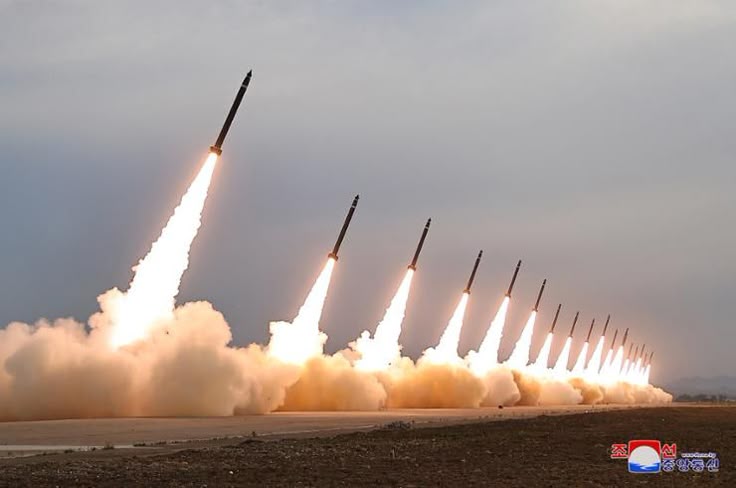
The Korea missile surge has once again captured global attention as North Korea launched multiple ballistic missiles into the sea, marking yet another escalation in its growing military activity. This latest launch, reported on April 19, 2026, is part of a broader pattern of intensified weapons testing that analysts believe is closely linked to ongoing geopolitical tensions, particularly the Iran war involving the United States and its allies.
According to military officials in South Korea, the missiles were fired from near the eastern coastal city of Sinpo, a region known for its strategic military installations, including submarine facilities. The projectiles reportedly traveled approximately 140 kilometers before landing in waters off the Korean Peninsula. While no immediate damage or territorial violations were confirmed, the message behind the launch was clear: North Korea is actively demonstrating its military capabilities at a time of heightened global uncertainty.
This Korea missile surge represents the fourth such launch in April alone and the seventh this year, indicating a deliberate and sustained strategy rather than isolated testing. Experts suggest that the timing is no coincidence, as Pyongyang seeks to position itself strategically in the evolving global power dynamic shaped by conflicts in the Middle East.
Strategic Significance of the Korea Missile Surge
The significance of the Korea missile surge goes beyond the immediate military implications. Analysts argue that these launches are part of a broader effort by North Korea to assert its relevance on the global stage. With the Iran war dominating international headlines, Pyongyang appears determined to remind the world of its own military strength and strategic importance.
Security experts believe that the missile tests serve multiple purposes. Firstly, they act as a demonstration of self-defense capabilities, reinforcing North Korea’s long-standing narrative of maintaining a strong deterrent against perceived external threats. Secondly, they function as a tool of political signaling, sending a message to both allies and adversaries that North Korea remains a key player in global security dynamics.
Former South Korean officials have noted that the Korea missile surge may also be a preemptive move aimed at gaining leverage ahead of potential diplomatic engagements. With discussions of possible talks between North Korea, the United States, and South Korea resurfacing, the missile launches could be a strategic attempt to strengthen Pyongyang’s negotiating position.
Link Between Korea Missile Surge and Iran War
One of the most critical aspects of the current Korea missile surge is its connection to the ongoing Iran war. The conflict has significantly reshaped global security priorities, and North Korea appears to be closely observing the situation.
Experts suggest that Pyongyang may be drawing lessons from the Iran conflict, particularly regarding the importance of military preparedness and nuclear deterrence. The war has highlighted the vulnerabilities of nations facing external pressure, reinforcing North Korea’s commitment to expanding its own defense capabilities.
Additionally, the Korea missile surge may be intended to exploit the distraction created by the Iran war. With major powers focused on the Middle East, North Korea could be testing the limits of international response, assessing how far it can push its military activities without triggering severe consequences.
This strategic timing underscores the complex interplay between regional conflicts and global security trends, where actions in one part of the world can influence behavior in another.
Regional Reactions to the Korea Missile Surge
The Korea missile surge has prompted swift reactions from neighboring countries, particularly South Korea and Japan. South Korea’s military convened an emergency security meeting, condemning the launches as a clear violation of United Nations Security Council resolutions. Officials emphasized the need for heightened vigilance and called on North Korea to cease its provocative actions.
Japan also responded with concern, noting that the missiles landed near its maritime boundaries, though they did not enter its exclusive economic zone. The Japanese government reiterated its commitment to regional security and coordination with allies to address the growing threat.
These reactions highlight the ongoing tension in East Asia, where North Korea’s actions continue to challenge stability and raise the risk of escalation. The Korea missile surge serves as a reminder of the fragile security environment in the region, where even routine military tests can have far-reaching implications.
Military Capabilities Behind the Korea Missile Surge
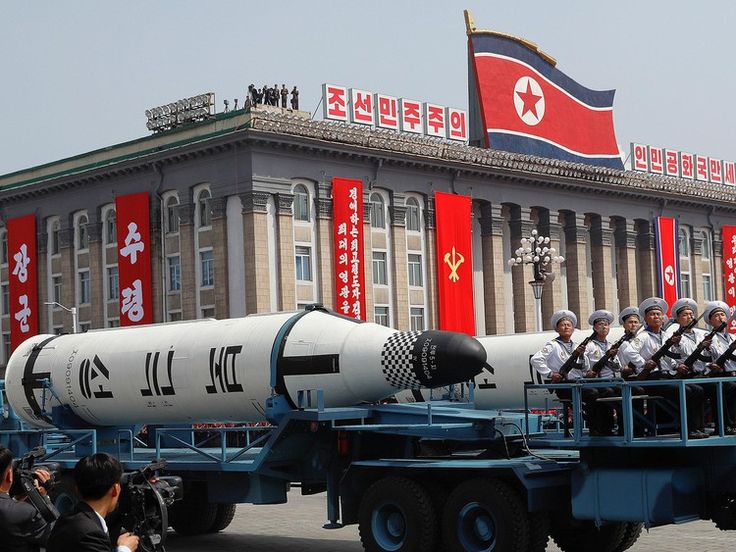
While details about the specific type of missiles used in the latest Korea missile surge remain unclear, the launch site near Sinpo provides important clues. The area is known for its submarine-based missile systems, suggesting the possibility of advancements in submarine-launched ballistic missile (SLBM) technology.
Such capabilities would represent a significant enhancement of North Korea’s military arsenal, allowing it to launch missiles from concealed underwater platforms. This would make detection and interception more challenging, increasing the overall threat level.
Recent reports from international agencies have also indicated that North Korea is making substantial progress in its nuclear weapons program. The potential addition of new uranium enrichment facilities points to an expanding capacity for producing nuclear material, further amplifying concerns about the country’s long-term intentions.
The Korea missile surge, therefore, is not just about the number of launches but also about the evolving sophistication of North Korea’s military technology.
Diplomatic Implications of the Korea Missile Surge
Beyond the military dimension, the Korea missile surge carries significant diplomatic implications. The timing of the launches coincides with renewed discussions about possible high-level meetings involving the United States, South Korea, and North Korea.
US President Donald Trump is reportedly preparing for a visit to Asia, with speculation about a potential meeting with North Korean leader Kim Jong Un. While no official plans have been confirmed, the Korea missile surge could influence the tone and agenda of any future talks.
On one hand, the missile tests may complicate diplomatic efforts by increasing tensions and reducing trust. On the other hand, they could serve as a bargaining chip for North Korea, enabling it to negotiate from a position of strength.
This dual impact highlights the complex role of military actions in diplomacy, where displays of القوة can both hinder and facilitate power depending on the context.
Future Outlook for the Korea Missile Surge
Looking ahead, the Korea missile surge is unlikely to subside in the near term. Analysts expect North Korea to continue its pattern of missile testing as part of a broader strategy to enhance its military capabilities and assert its geopolitical influence.
The evolving situation will depend on several factors, including the trajectory of the Iran war, the response of the international community, and the prospects for diplomatic engagement. If tensions in the Middle East persist, North Korea may feel emboldened to maintain or even intensify its missile activities.
At the same time, increased pressure from regional and global powers could lead to renewed efforts to bring Pyongyang back to the negotiating table. The challenge will be finding a balance between deterrence and diplomacy in a rapidly changing security landscape.
Global Security Concerns Intensify
The Korea missile surge underscores the interconnected nature of global security challenges. As conflicts in different regions influence one another, the actions of a single country can have ripple effects across the world.
North Korea’s latest missile launches are a stark reminder that even as attention is focused on one crisis, others continue to evolve in the background. The need for coordinated international efforts to address these challenges has never been more urgent.
With the Korea missile surge adding another layer of complexity to an already volatile global situation, policymakers and analysts alike will be closely watching the next moves from Pyongyang and the international response that follows.
Read more about global conflict and security developments in the FFRNews Politics Section and follow continuing updates from BBC News for verified reporting.