The latest Mali Attack Surge has sent shockwaves across the West African nation, as armed groups launched coordinated attacks targeting key locations, including the capital Bamako. According to the Malian military, fighting is ongoing, with defence and security forces actively engaged in repelling attackers.
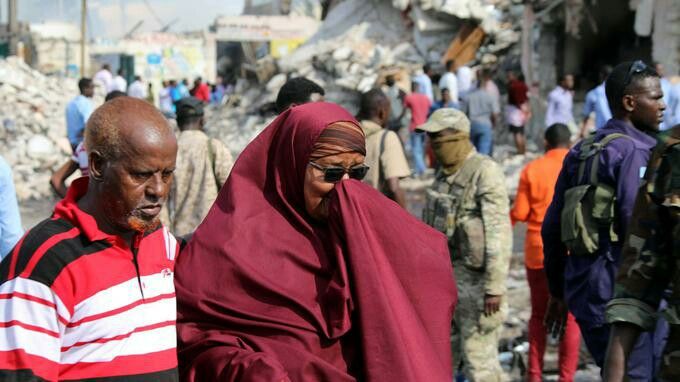
Explosions and heavy gunfire were reported early Saturday morning near the Kati military base, one of the country’s most significant military installations located just outside Bamako. Witnesses described scenes of chaos, with roads blocked by soldiers and heightened security measures across the area.
In addition to Bamako, attacks were reported in Gao in eastern Mali and Sevare in the central region, indicating a widespread and highly organized operation. The scale and coordination of these assaults suggest a serious escalation in the ongoing conflict.
Capital Bamako Under Pressure
The Mali Attack Surge has brought unprecedented tension to Bamako, a city that has historically remained relatively insulated from the worst of the country’s insurgency. The targeting of areas near the capital marks a significant shift in tactics by armed groups.
Reports indicate that flights into the city were cancelled, and there were concerns about potential impacts on Modibo Keita International Airport. The US Embassy issued an urgent advisory urging citizens to shelter in place and avoid travel due to ongoing explosions and gunfire.
The presence of attacks so close to the political and military heart of the country underscores the growing reach and capability of militant groups operating in Mali.
Unclear Perpetrators but Familiar Patterns
One of the most concerning aspects of the Mali Attack Surge is the lack of clarity regarding who is behind the attacks. While no group has officially claimed responsibility, the nature of the assaults aligns with tactics previously used by jihadist organizations active in the region.
Mali has long struggled with insurgencies linked to groups affiliated with al-Qaeda and the Islamic State. These groups have exploited weak governance, vast desert regions, and ethnic tensions to expand their influence.
The coordinated nature of the attacks suggests careful planning and resource mobilization, pointing to well-established militant networks rather than isolated incidents.
Ongoing Security Crisis Under Military Rule
The Mali Attack Surge comes at a time when the country is under military rule led by General Assimi Goïta, who seized power in a coup in 2020. The junta initially gained popular support by promising to restore stability and address the worsening security situation.
However, despite these promises, the security crisis has persisted and, in many areas, intensified. Large parts of northern and eastern Mali remain outside government control, with armed groups maintaining a strong presence.
The latest attacks highlight the ongoing challenges faced by the military government in delivering on its commitment to national security.
International Forces Exit and New Alliances
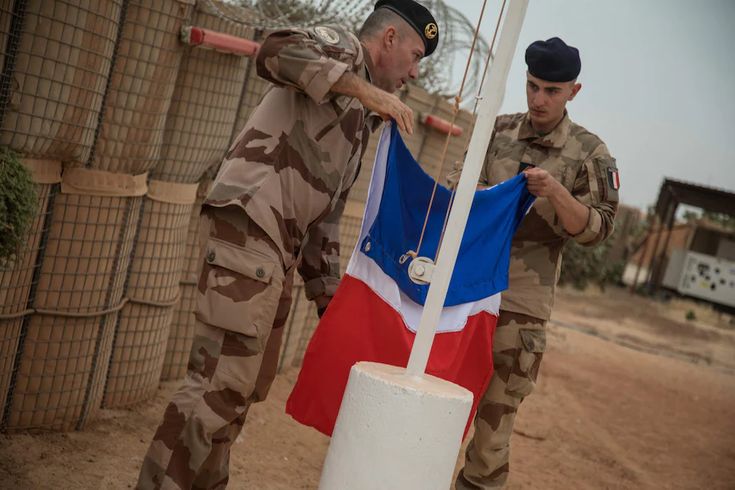
The evolving Mali Attack Surge is also closely tied to changes in international involvement within the country. French forces and the United Nations peacekeeping mission, which had been deployed since 2013 to combat insurgents, have withdrawn in recent years.
In their place, Mali’s military government has turned to Russian mercenaries to support its operations against armed groups. This shift has sparked debate among analysts about the effectiveness and long-term implications of such partnerships.
Despite these changes, the insurgency has continued to grow, raising questions about the current strategy and its ability to bring lasting stability.
Regional and Global Implications
The Mali Attack Surge is not just a national issue—it has broader implications for regional security across the Sahel. Neighboring countries have also been grappling with similar insurgencies, and instability in Mali could further destabilize the region.
The attacks may also prompt renewed international concern and potential re-engagement, especially as extremist groups continue to expand their operations. For global observers, the situation in Mali serves as a reminder of the persistent challenges in addressing complex security crises.
Civilian Impact and Uncertain Future
Beyond the military dimension, the Mali Attack Surge has serious consequences for civilians. Fear, displacement, and disruption to daily life are becoming increasingly common as violence spreads to new areas.
With flights disrupted, roads blocked, and ongoing fighting, ordinary citizens are bearing the brunt of the conflict. The uncertainty surrounding the attackers and the duration of the violence adds to the anxiety faced by the population.
As the situation develops, the focus remains on whether the Malian military can contain the attacks and prevent further escalation.
This report is based on BBC News and Reuters coverage, with additional context aligned with FFRNEWS reporting in politics and global security. Official statements from Mali’s military and international advisories were used to ensure accuracy and reliability.