Lebanon Officer Strike has become one of the most significant developments in the Middle East this week after a series of Israeli attacks across southern Lebanon killed at least 12 people, including senior Lebanese military officers. The strikes occurred only days after Lebanon and Israel agreed to a conditional ceasefire through US-mediated negotiations, raising fresh concerns that diplomatic efforts may be collapsing amid renewed violence.
The deaths included a brigadier general, a captain, and a soldier serving in the Lebanese Armed Forces. The attack has sparked condemnation from Lebanon’s government, Hezbollah, regional powers, and international organizations, while Israel maintains that its operations targeted military threats in active combat zones.
Senior Lebanese Military Officers Killed
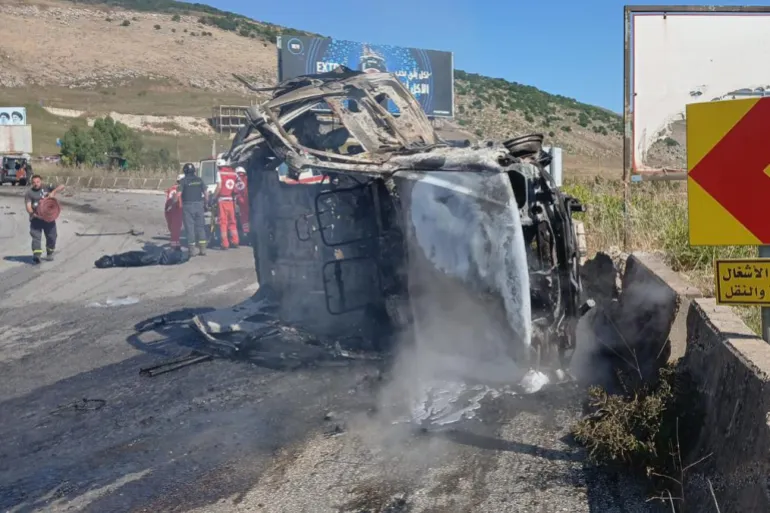
The most notable attack took place on the Khardali-Nabatieh road in southern Lebanon, where an Israeli strike hit a Lebanese army vehicle.
According to Lebanon’s military command, Brigadier General Wassam Sabra, Captain Elie Khoury, and soldier Hussein Ghozal were killed in the attack. The deaths marked one of the most serious incidents involving Lebanon’s military since the latest phase of hostilities began.
The Israeli military acknowledged the strike but stated that the area was considered an active combat zone. Israeli officials said movement in such areas requires coordination and added that the circumstances surrounding the incident remain under investigation.
Lebanese military officials rejected the explanation and described the attack as a deliberate act that threatens all ongoing efforts to restore stability in southern Lebanon.
Multiple Israeli Attacks Across Southern Lebanon
The attack on the military vehicle was part of a broader wave of Israeli military operations throughout southern Lebanon.
Lebanese state media reported that six civilians were killed and four others wounded after an Israeli strike targeted the village of Saksakiyah in the Sidon district. Additional attacks struck Deir al-Zahrani, the Zifta-Nabatieh highway, and Habboush municipality, resulting in further casualties.
By the end of the day, at least 12 people had been confirmed dead.
Israeli officials later stated that approximately 150 Hezbollah-linked targets had been struck over a two-day period. According to Israel, these targets included weapons depots, command centers, rocket launchers, and military infrastructure allegedly used to launch attacks against Israeli forces.
Israeli military commanders argued that the operations were necessary to neutralize threats and prevent future attacks from Hezbollah positions near the border.
President Joseph Aoun Condemns the Attacks
Lebanese President Joseph Aoun strongly condemned the strikes and described the attack on the military vehicle as a blatant violation of Lebanese sovereignty.
Aoun argued that targeting official state institutions and military personnel undermines international law and threatens efforts to reach a lasting political solution. He warned that such actions increase instability and weaken trust in diplomatic negotiations.
The president also called on the international community to intervene and ensure that Lebanon’s sovereignty is respected.
Prime Minister Calls Strike a Heinous Crime
Lebanese Prime Minister Nawaf Salam issued a similarly strong response.
He described the attack as a heinous crime against Lebanon and extended condolences to the families of Brigadier General Sabra, Captain Khoury, and soldier Ghozal.
Salam emphasized that attacks on Lebanese military personnel represent attacks on the entire nation and warned that continued violations risk dragging the country deeper into conflict.
Government officials have since intensified diplomatic contacts with international partners in an effort to prevent further escalation.
Hezbollah Blames Israel and Criticizes Government
Hezbollah condemned the attacks and accused Israel of deliberately targeting Lebanon despite ceasefire arrangements.
The organization described the killings as a heinous crime and argued that Lebanon’s leadership had become too willing to accept external political pressure.
Hezbollah leaders maintained that the attacks demonstrate the failure of current ceasefire mechanisms and insisted that any future agreement must include guarantees for an Israeli withdrawal from southern Lebanese territory.
The group also renewed its criticism of international mediation efforts, claiming they have not prevented continued military operations.
Iran Condemns the Killings
Iranian officials reacted strongly to the attacks.
Foreign Ministry spokesperson Esmaeil Baghaei described the strikes as a serious assault on Lebanese sovereignty and accused Israel of pursuing broader regional domination through military force.
Baghaei argued that the killings demonstrate Israel’s unwillingness to support regional stability and warned that continued attacks could intensify tensions across the Middle East.
Iranian Foreign Minister Abbas Araghchi also entered the debate following comments suggesting Lebanon had become part of wider negotiations involving Tehran and Washington. Araghchi rejected those suggestions and insisted that Lebanon was not being used as a bargaining tool in diplomatic discussions.
Regional Countries Denounce the Attacks
Several Arab states issued statements condemning the strikes.
Saudi Arabia criticized continued Israeli military operations and reaffirmed its support for Lebanon’s sovereignty and territorial integrity.
Jordan called the attacks a clear violation of international law and demanded an immediate halt to military actions against Lebanon.
Qatar described the incidents as a dangerous escalation and urged the international community to pressure Israel into respecting ceasefire commitments and international agreements.
The coordinated regional response highlighted growing concern that the conflict could spread beyond current battle zones.
UNIFIL Warns of Serious Violations
The United Nations Interim Force in Lebanon (UNIFIL) expressed alarm over the latest attacks.
The peacekeeping mission stated that strikes against Lebanese territory and military personnel constitute serious violations of Lebanon’s sovereignty and United Nations Security Council Resolution 1701.
Resolution 1701 ended the 2006 war between Israel and Hezbollah and remains the foundation for security arrangements in southern Lebanon.
UN officials warned that repeated violations risk undermining already fragile peace efforts and increasing the likelihood of wider conflict.
Ceasefire Faces New Challenges
The attacks have placed additional pressure on the recently announced conditional ceasefire.
The agreement, brokered through US mediation, was intended to reduce hostilities and create conditions for broader negotiations. However, both Israel and Hezbollah continue to accuse each other of violating its terms.
Israeli officials argue that military operations remain necessary because Hezbollah retains military capabilities and infrastructure near the border.
Hezbollah counters that Israeli attacks prove the ceasefire has failed to address Lebanon’s security concerns.
As a result, confidence in the agreement appears increasingly fragile.
Israeli Forces Also Suffer Casualties
The conflict has not been one-sided.
Israeli military officials reported that two Israeli soldiers were killed during operations in southern Lebanon. One reportedly died from serious injuries, while another was killed during combat activities.
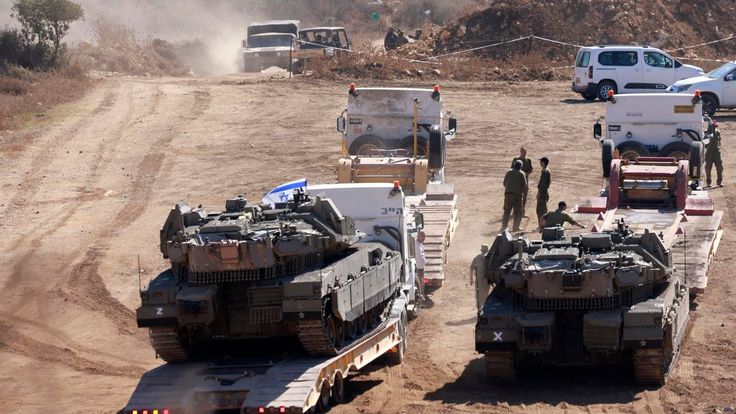
Meanwhile, Hezbollah claimed responsibility for an attack against an Israeli Merkava tank near Bint Jbeil using an Ababil drone. The group stated that the strike successfully hit its target.
These incidents demonstrate that active hostilities continue despite diplomatic efforts.
Displacement and Humanitarian Concerns Grow
Israeli authorities also renewed displacement orders for residents of several southern Lebanese villages, including Armati, Mashgara, Kafr Huna, Sajad, and Ansariya.
Residents were instructed to relocate north of the Zahrani River as military operations continued.
Humanitarian organizations warn that repeated displacement is worsening living conditions and placing additional pressure on already strained communities.
Many families have now been forced to move multiple times since the conflict intensified.
Pakistan’s Role in Regional Diplomacy
Amid growing tensions, Lebanese Army Commander General Rudolf Haykal traveled to Pakistan for discussions with Field Marshal Asim Munir.
Pakistan has increasingly emerged as a diplomatic mediator in wider regional negotiations involving Iran, Israel, Lebanon, and the United States.
Officials hope diplomatic engagement can help prevent further escalation and preserve opportunities for future peace talks.
However, the continued violence highlights the significant obstacles facing any negotiated settlement.
Human Cost Continues to Rise
According to Lebanon’s Health Ministry, at least 3,593 people have been killed and nearly 11,000 injured since the latest phase of conflict began in March.
Thousands have been displaced, infrastructure has suffered extensive damage, and economic conditions continue to deteriorate.
The deaths of senior military officers have added another layer of complexity to the crisis and intensified public pressure on Lebanon’s leadership.
Military analysts note that attacks involving high-ranking officers often carry significant political and symbolic consequences that can complicate future negotiations.
Uncertain Road Ahead
The latest violence underscores the fragile nature of ceasefire arrangements currently in place.
While diplomatic efforts continue through the United States, Pakistan, and regional partners, events on the ground suggest that military confrontation remains a dominant reality.
The killing of senior Lebanese officers, continued Israeli operations, Hezbollah’s military responses, and increasing regional involvement all point toward a conflict that remains highly volatile.
Whether diplomacy can regain momentum or the region moves toward deeper escalation will likely depend on the willingness of all parties to respect ceasefire commitments and pursue meaningful negotiations.
Read more about Middle East security developments in the FFRNews Politics Section and follow continuing updates from Al Jazeera and Reuters for global reporting on Lebanon, Israel, Hezbollah, and regional diplomacy.